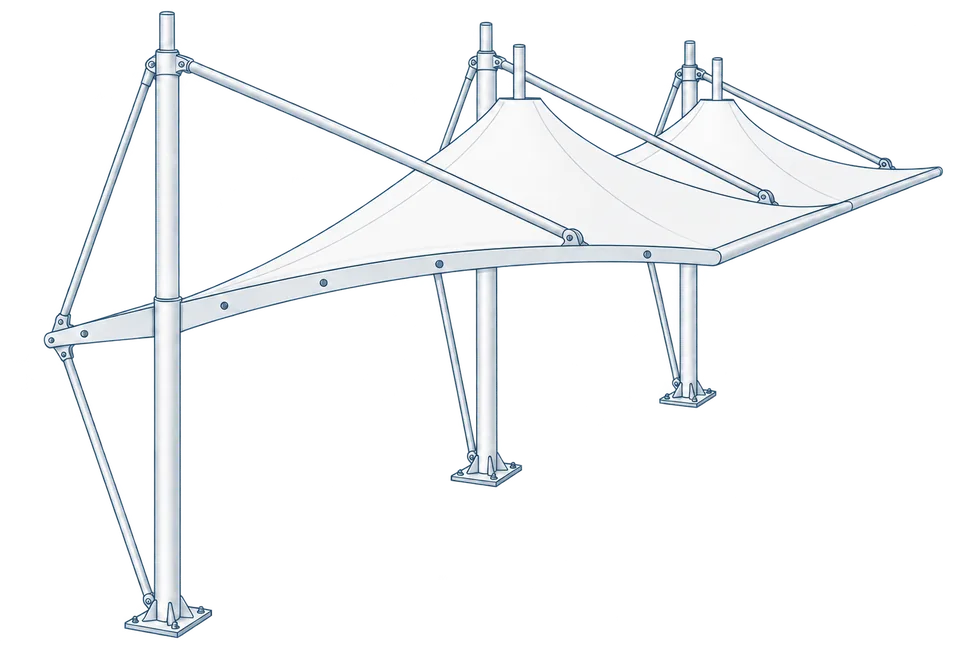
 Membrane carportsClassic membrane shelters→
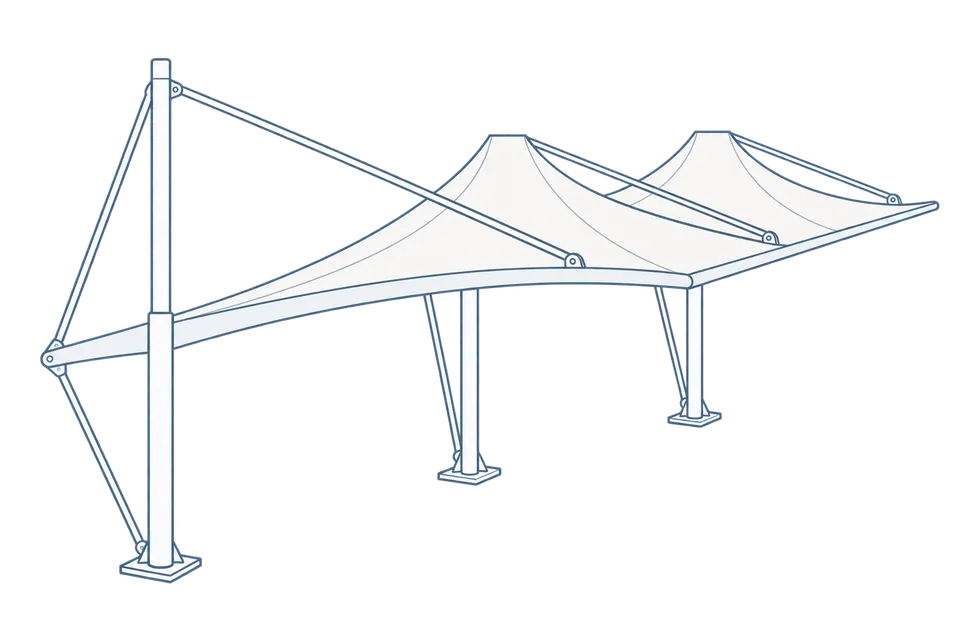 Solar carportsParking meets green energy→
 Landscape canopiesParks and leisure spaces→
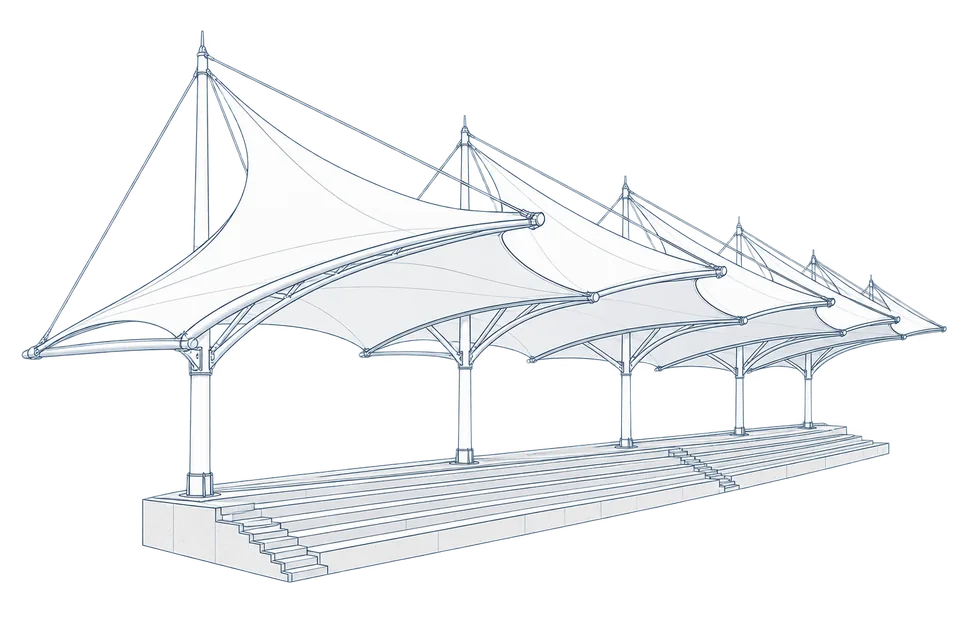 Grandstand canopiesSports venue shelters→
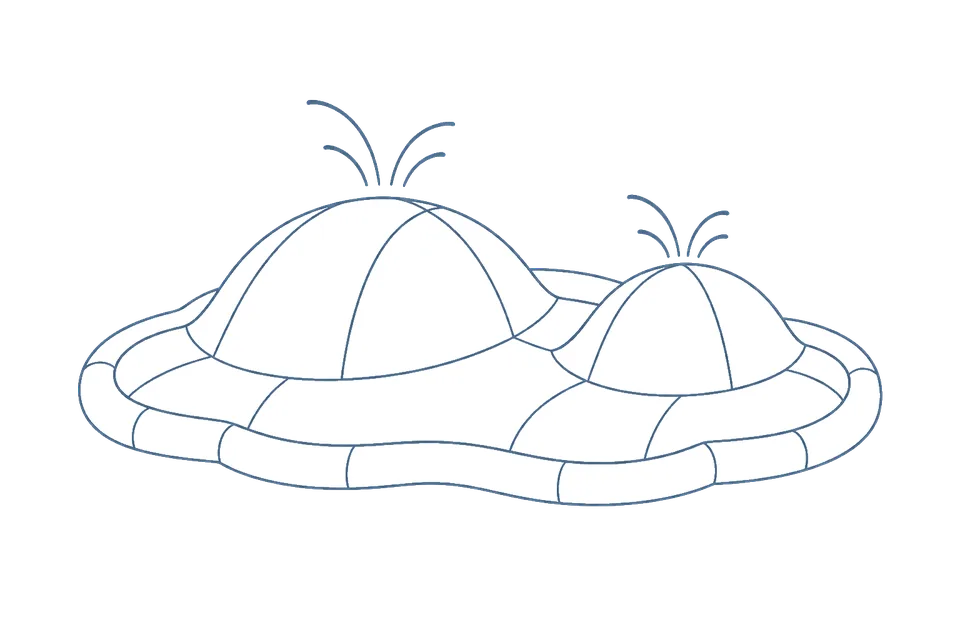 Inflatable play cloudsFamily play areas→
 Wastewater coversEnvironmental infrastructure→
 Fuel station canopiesStation shelters→
 Entrance canopiesWalkways and entrances→
Classify the issues
Record membrane, drainage, steelwork and connection problems separately.

REPAIR & RENEWAL
Repair & maintenance
Identify the cause before choosing patching, membrane replacement, drainage work or refurbishment.
PROJECT OVERVIEW
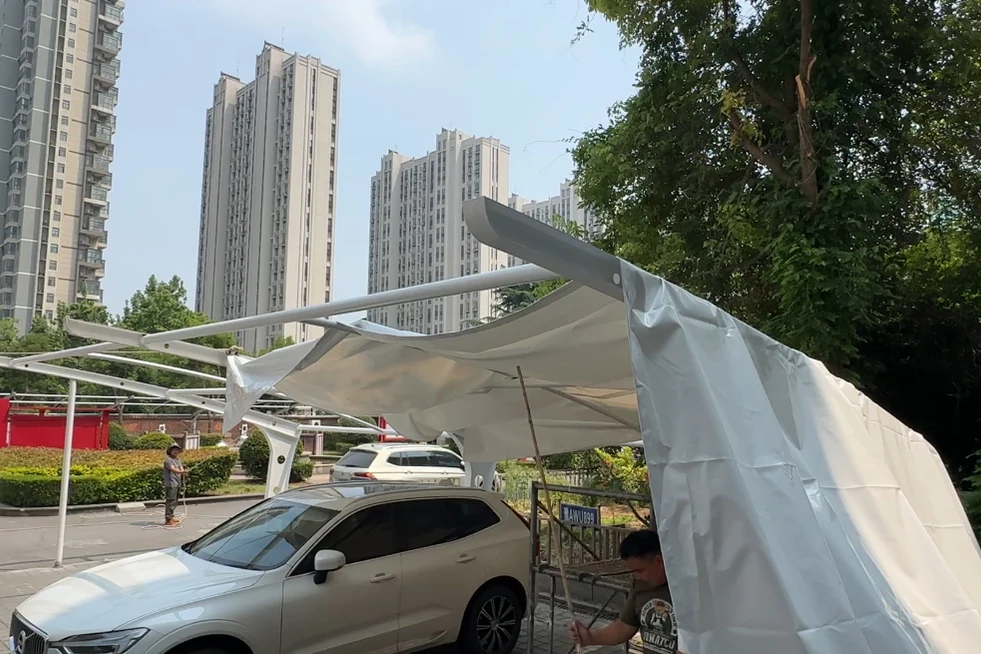
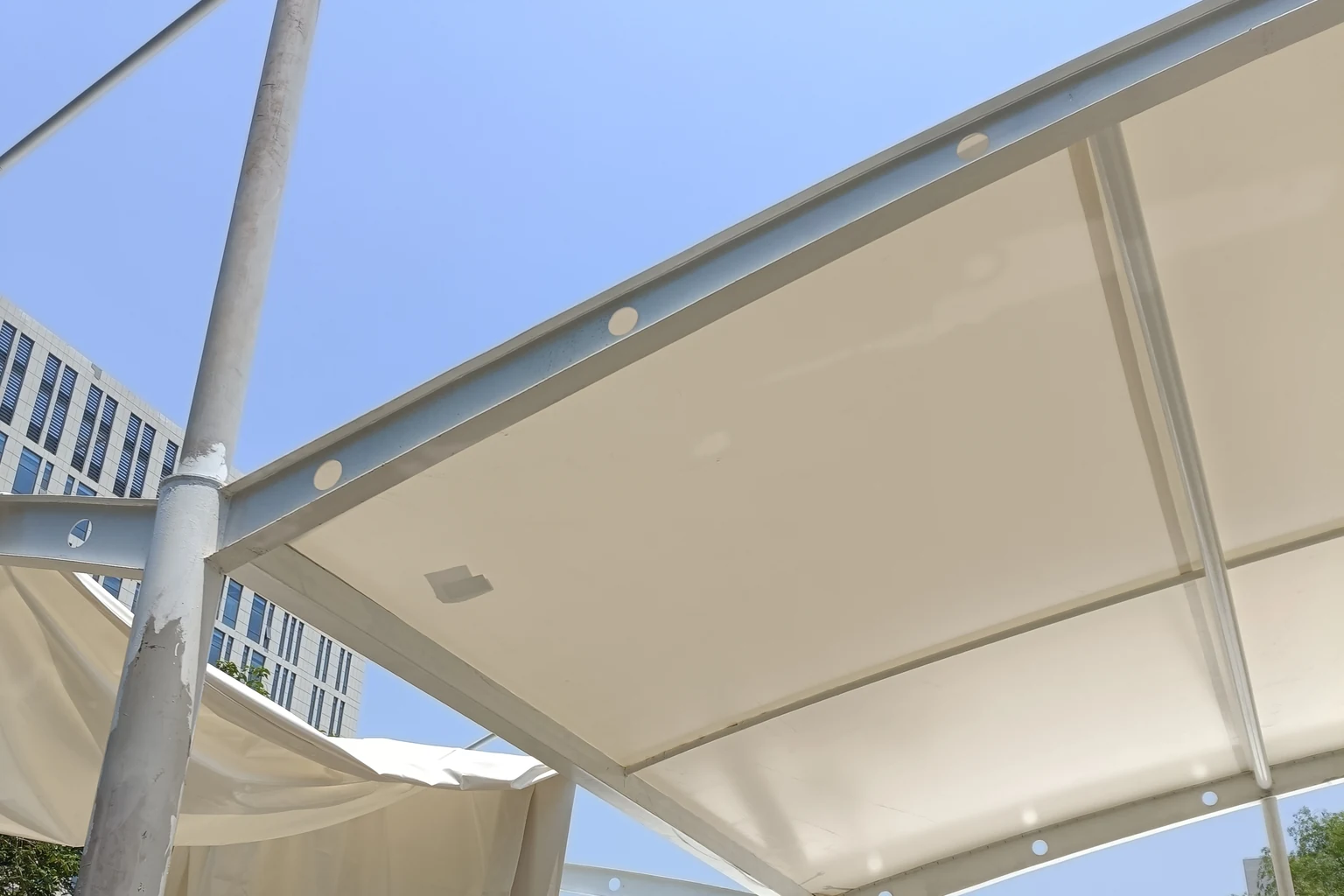
Repair concerns structures already in service. Leaks, sagging and rust can have different causes; a single close-up rarely establishes the right remedy. Qingsong can discuss maintenance using original drawings, service records and site conditions, defining inspection areas before arranging materials and work.
Record membrane, drainage, steelwork and connection problems separately.
Overall and detail photographs, dates and previous repair records help identify changes and inspection priorities.
Agree work zones, vehicle relocation, access and reopening with site management before mobilisation.
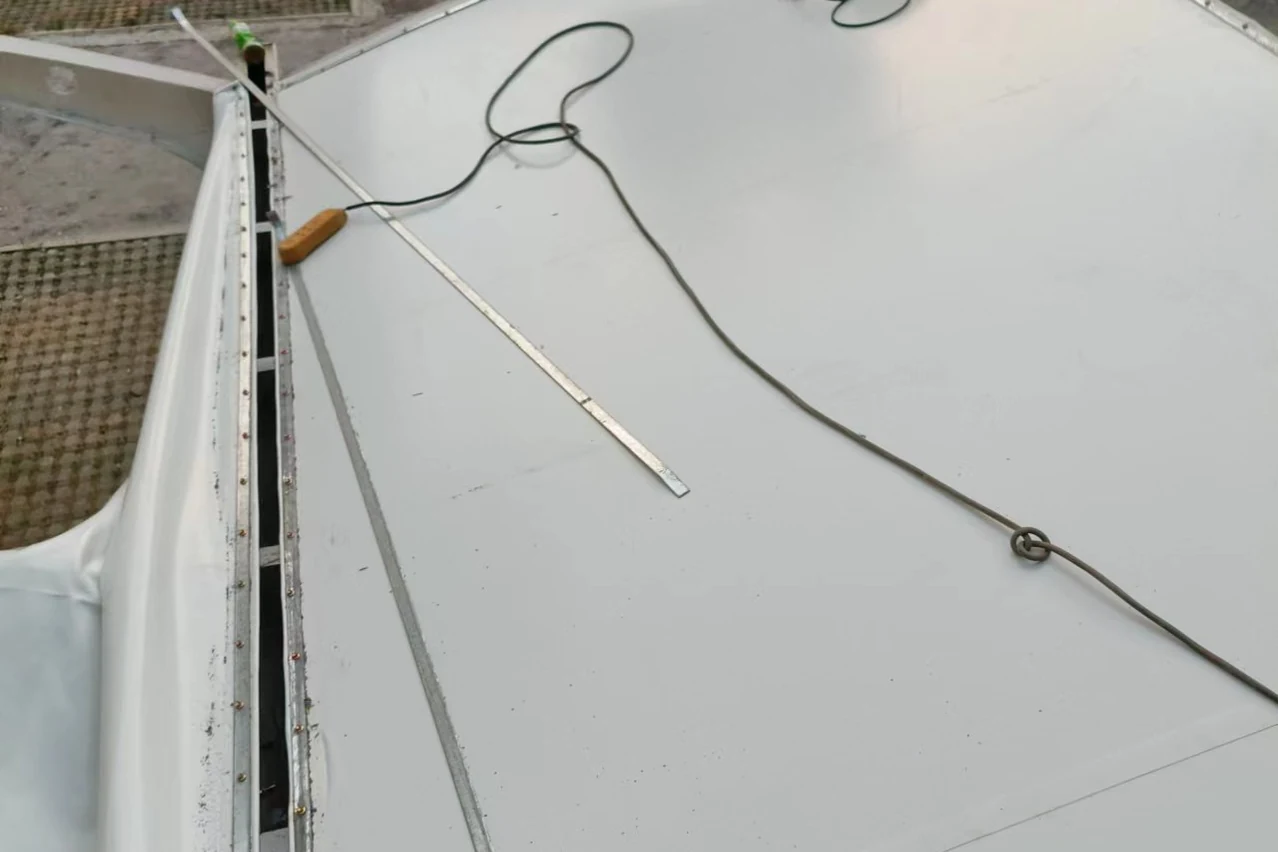
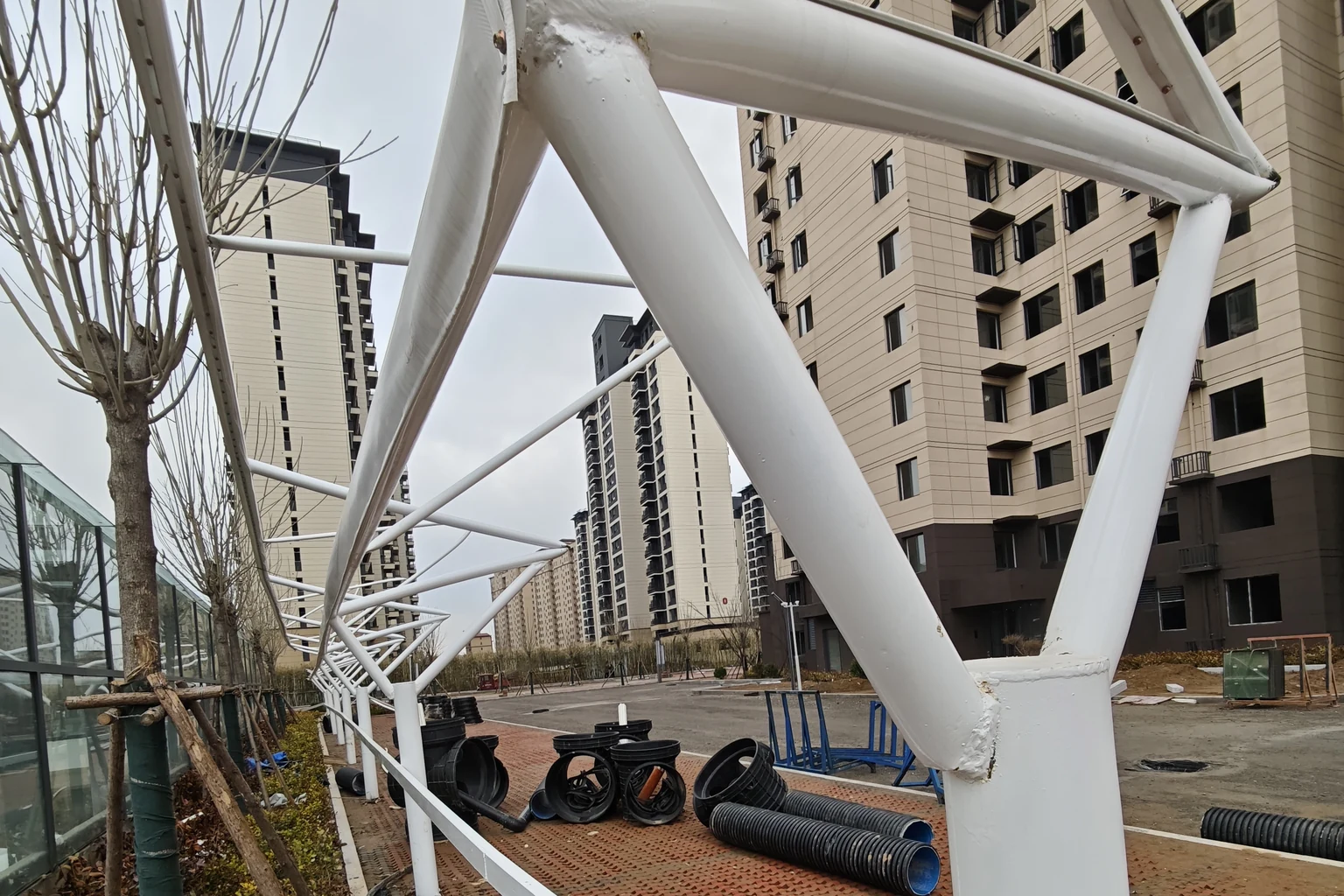
For tears, examine location, adjacent membrane and connections. For leaks, distinguish damage, seams and escaping runoff. For steelwork, record corrosion, deformation and connection condition.
Several issues may coexist. State what will be repaired and what still needs inspection; cosmetic work does not establish structural condition.
Local patching or connection repairs may suit isolated problems where surrounding materials and structure are suitable. Widespread ageing, repeated damage or unsuitable layouts call for comparison with replacement or alteration.
Consider disruption, reusable parts, future maintenance and handover targets together. A cheaper individual intervention may leave more work unresolved; list exclusions clearly.
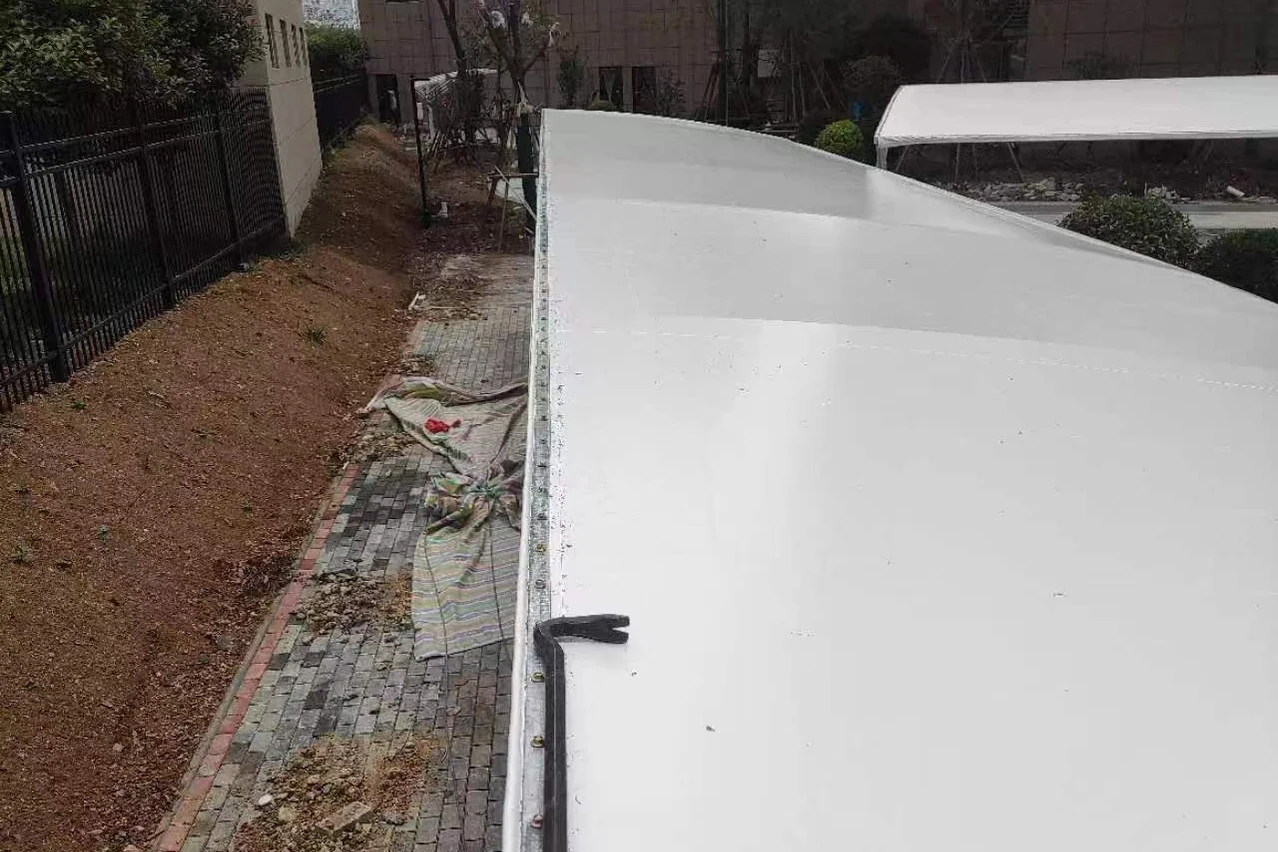
Photograph the same areas before and after work. Record materials, actual treatment areas and additional findings for future inspections and maintenance.
Before reopening, check clearance of work areas, drainage and reinstatement. List specialist checks and coordination separately where structures or electrical equipment change.
SCOPE & COORDINATION
Use the same scope for proposals, quotations and handover.
| Work item | Discussion and delivery | Conditions to confirm |
|---|---|---|
| Condition inspection | Record issues and assess possible remedies | Access, drawings and specialist inspection needs |
| Membrane work | Patching or replacement scope | Material condition, specification and edge details |
| Steelwork and drainage | Corrosion, connections and drainage repairs | Retained elements and structural review needs |
| Site reinstatement | Barriers, clearance and reopening | Parking changes, equipment coordination and records |
PROJECT JOURNEY
Gather photographs, drawings, fault dates and repair history.
Check problem locations and inspection access.
Confirm patching, replacement or refurbishment items and coordination.
Check the completed scope and pass on follow-up inspection items.
START YOUR PROJECT
Share the location and current requirement so we can review conditions and scope together.
QUESTIONS & ANSWERS
Send its current condition and original records first. Acceptance depends on the structure, repair scope and site conditions.
They support initial classification. Concealed areas, material condition and access usually need further checks; pricing follows the agreed scope.
Separate use and work areas according to the tasks. Phased working depends on site conditions and management arrangements.
Not always. Assess the damage, surrounding material, stressed location and repair history, comparing local repair and replacement where needed.
RELATED SOLUTIONS