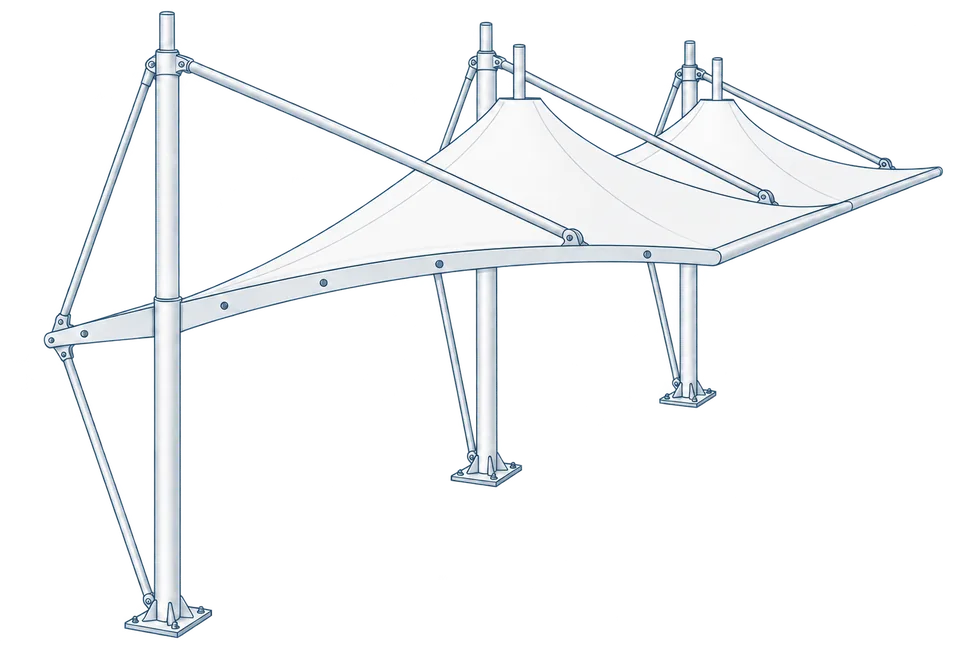
 Membrane carportsClassic membrane shelters→
 Solar carportsParking meets green energy→
 Landscape canopiesParks and leisure spaces→
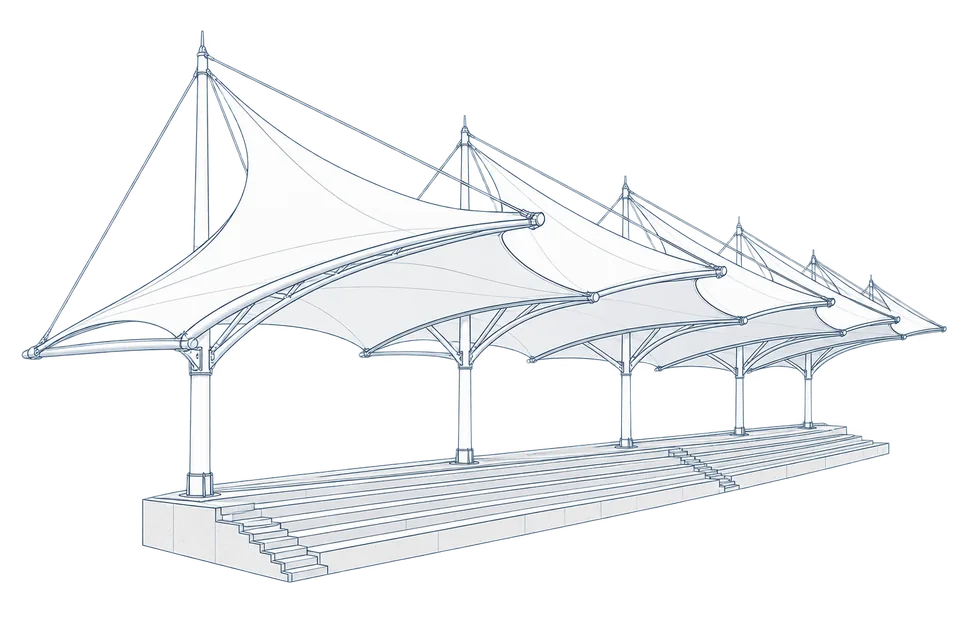 Grandstand canopiesSports venue shelters→
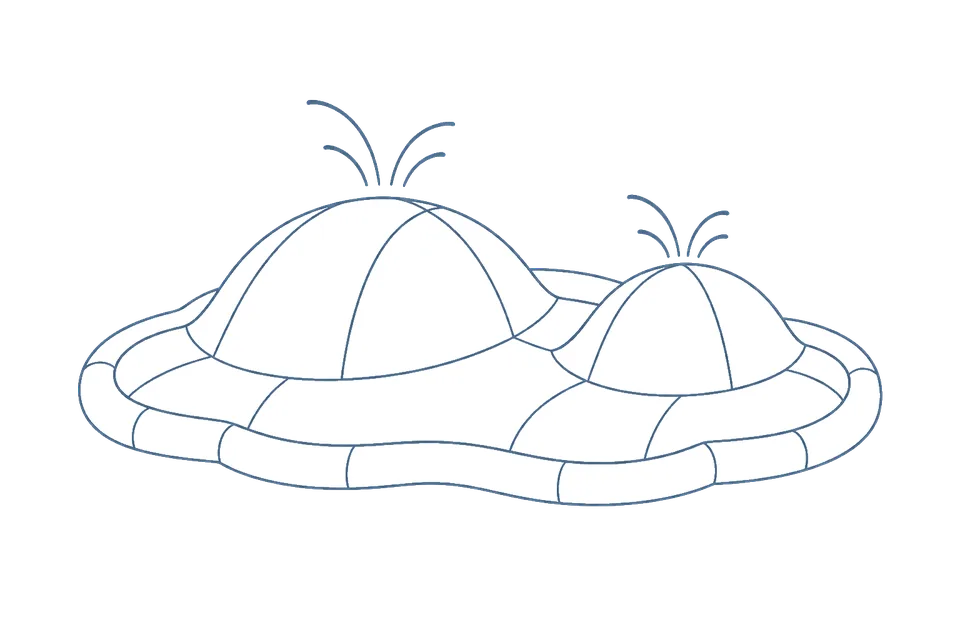 Inflatable play cloudsFamily play areas→
 Wastewater coversEnvironmental infrastructure→
 Fuel station canopiesStation shelters→
 Entrance canopiesWalkways and entrances→
Record the location
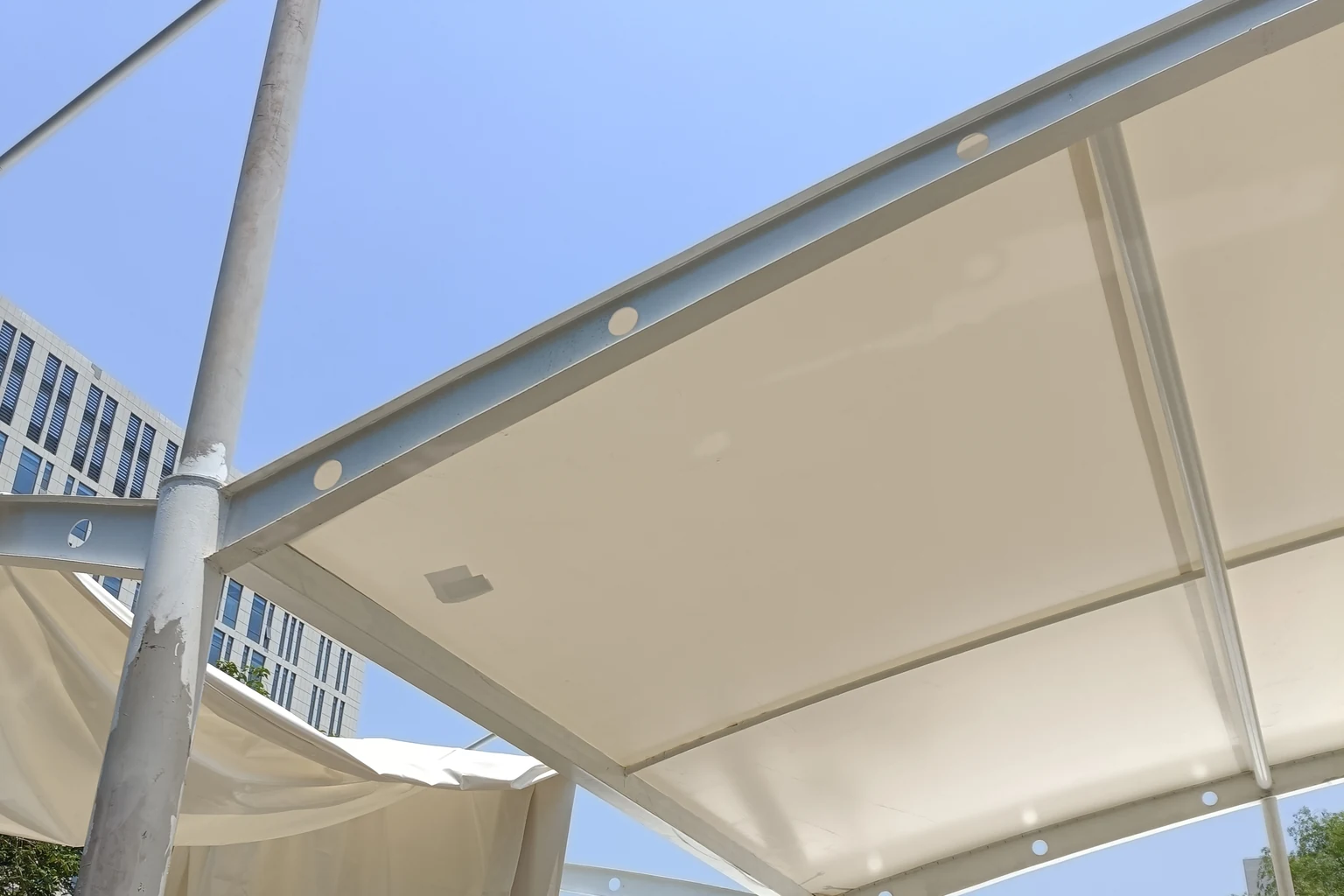
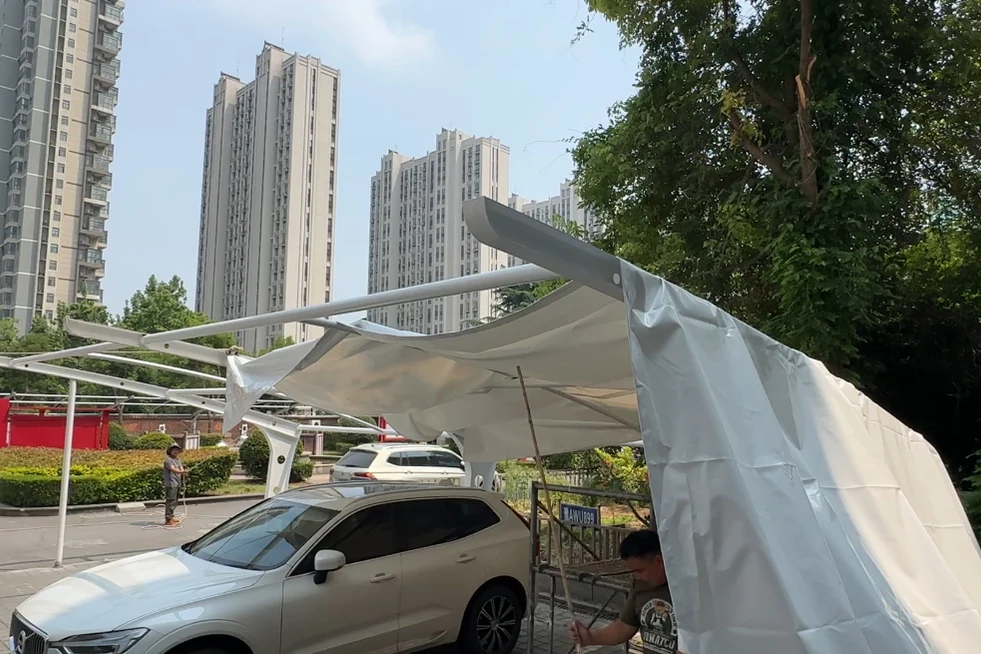
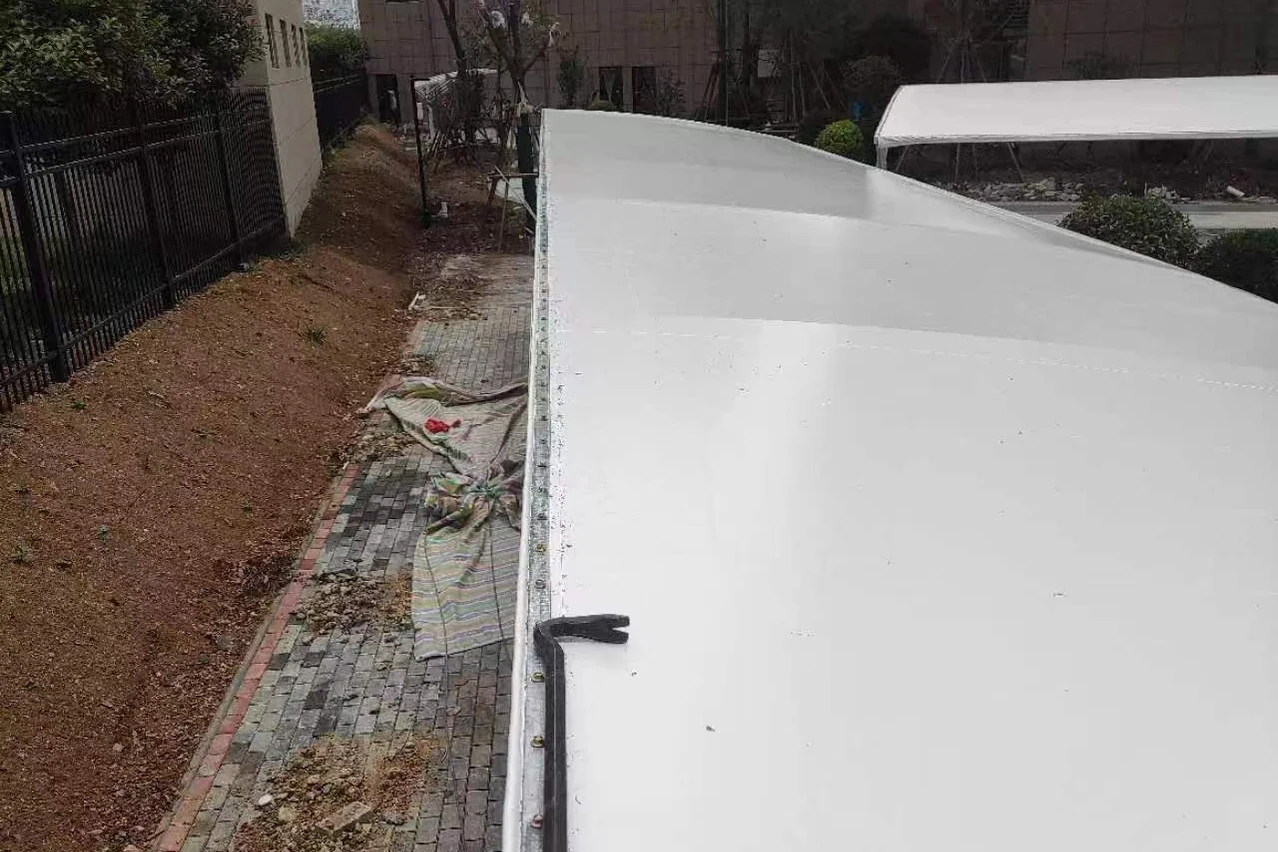
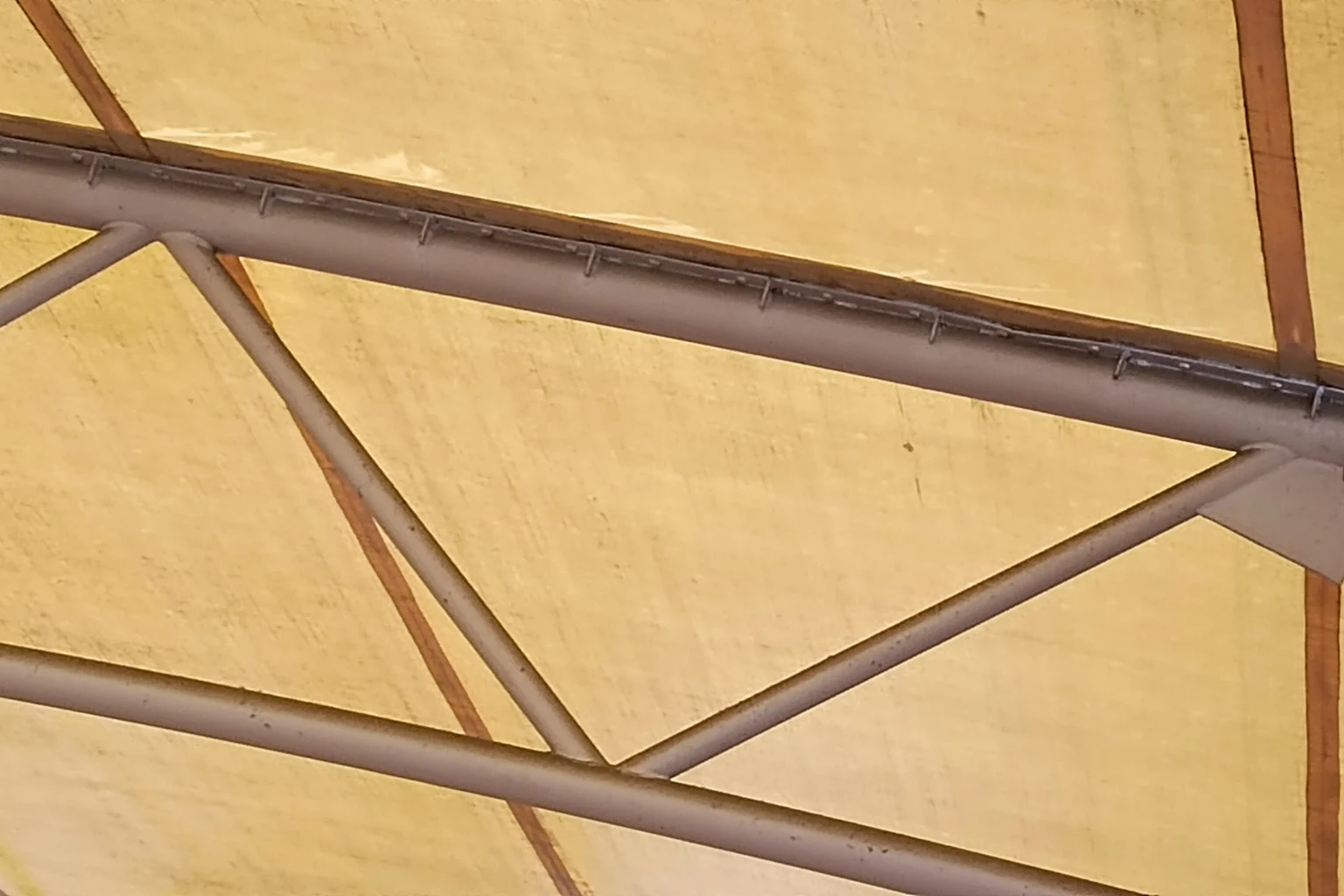
Alongside close-ups, show the damage relative to seams, steelwork, edges and drainage areas.

MEMBRANE PATCHING
Repair & maintenance
Assess local repairs around the damaged location and surrounding material before agreeing the method and scope.
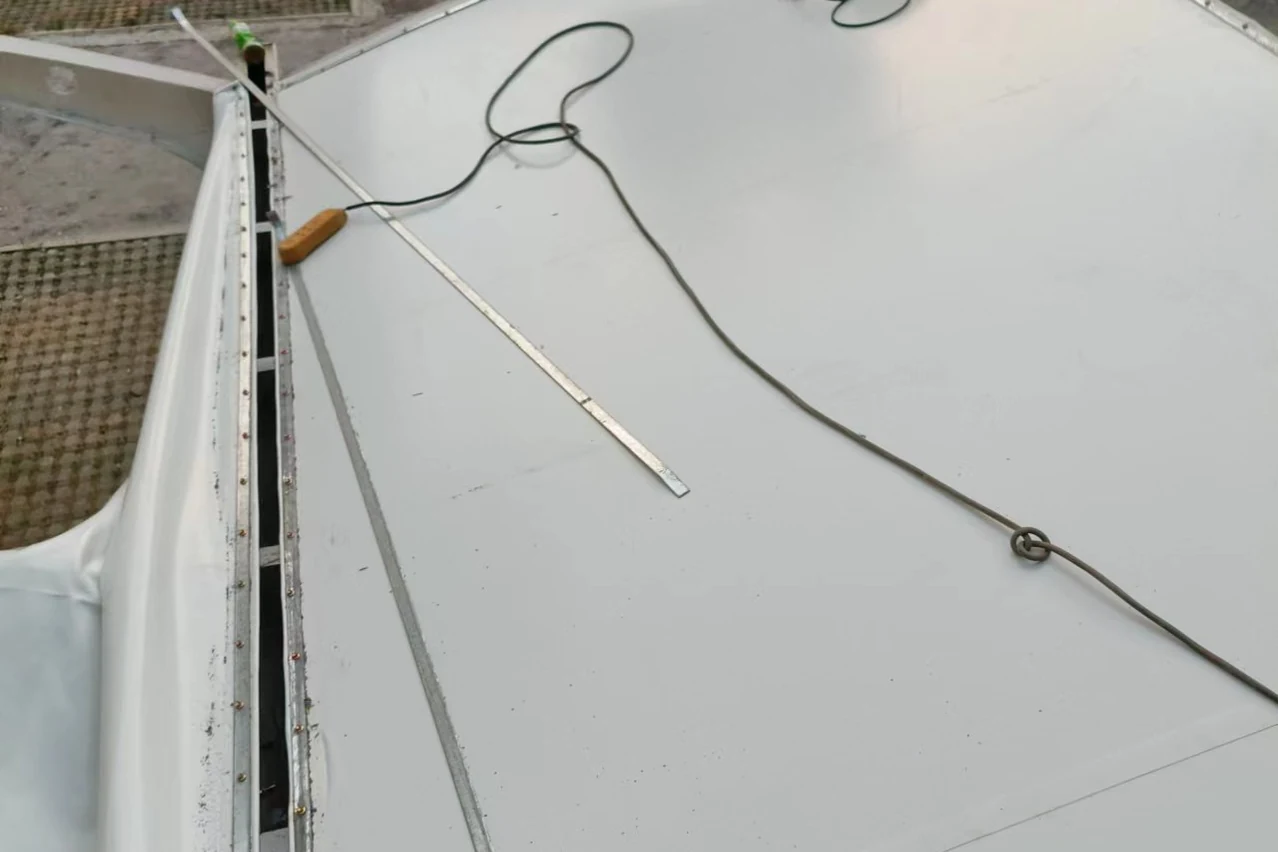
PROJECT OVERVIEW
Local damage includes holes, cuts, seam defects and edge tears. Different locations require different checks, including overall canopy condition and the damaged area. Qingsong can discuss inspection and patching from available records; repair feasibility, compatible materials and methods depend on professional assessment.
Alongside close-ups, show the damage relative to seams, steelwork, edges and drainage areas.
Ageing, old patches and connections affect repair feasibility as well as hole size.
Record treatment areas and completed work so later inspections can compare location and condition.
Record first discovery, preceding weather, contact with objects and previous repairs. Include overall, location and close-up photographs.
If damage is progressing or other abnormalities appear, agree use restrictions and inspection with management. Do not climb onto the membrane or pull the tear to take photographs.
Holes, edge damage and seam damage require different checks. Assess nearby material, working access and whether the damage is still developing.
Where patching is feasible, agree compatible materials and treatment. If surrounding material is unsuitable or ageing is widespread, compare replacement of the affected membrane unit.
If contact with nearby components, faulty connections or ponding caused the tear, covering it may leave the cause unresolved. List associated inspections and repairs separately.
Record materials, location, appearance and items needing observation. Agree follow-up using the cause, project maintenance documents and site conditions.
SCOPE & COORDINATION
Use the same scope for proposals, quotations and handover.
| Work item | Discussion and delivery | Conditions to confirm |
|---|---|---|
| Damage assessment | Location and adjacent condition | Access and original material records |
| Local patching | Compatible materials and treatment boundaries | Inspection findings and acceptable appearance |
| Associated repairs | Contact, connection and drainage defects | Additional repair or replacement needs |
| Repair handover | Location, material and treatment records | Follow-up and operating requirements |
PROJECT JOURNEY
Use overall, location and close-up records.
Check surrounding material, seams and associated defects.
Confirm compatible materials, method and supporting repairs.
Keep completion photographs and follow-up items.
START YOUR PROJECT
Share the location and current requirement so we can review conditions and scope together.
QUESTIONS & ANSWERS
Check its location, surrounding material and cause first. Small area does not automatically mean straightforward patching is suitable.
Permanent work needs a confirmed method compatible with the original membrane. Unapproved tape can hinder later inspection and repair.
Existing and repair materials may differ. Agree patch extent and acceptable appearance beforehand.
Height, access, equipment and protection affect work arrangements and must be priced alongside materials and treatment scope.
RELATED SOLUTIONS