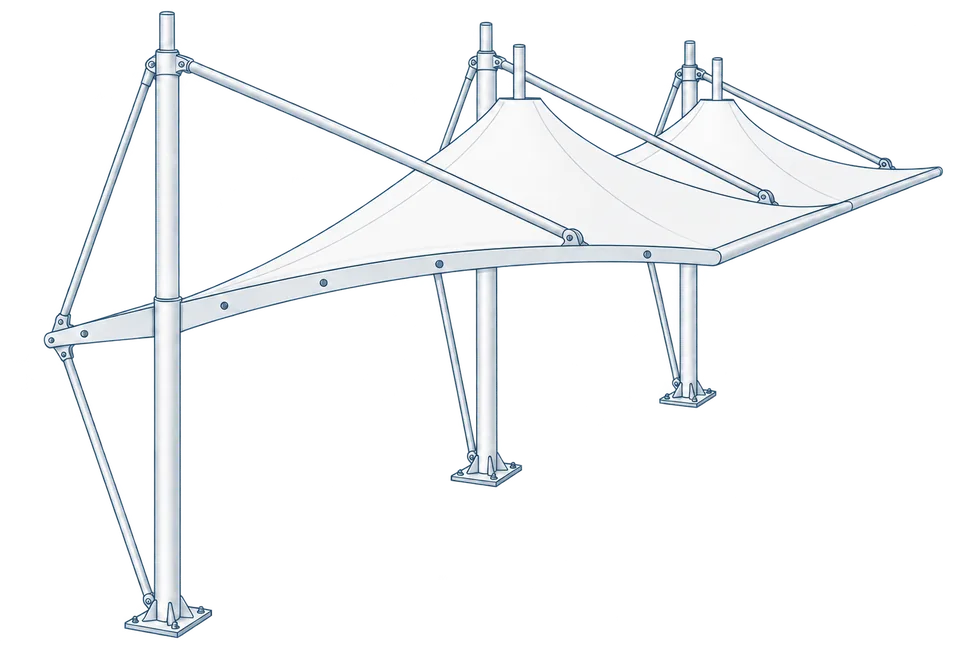
 Membrane carportsClassic membrane shelters→
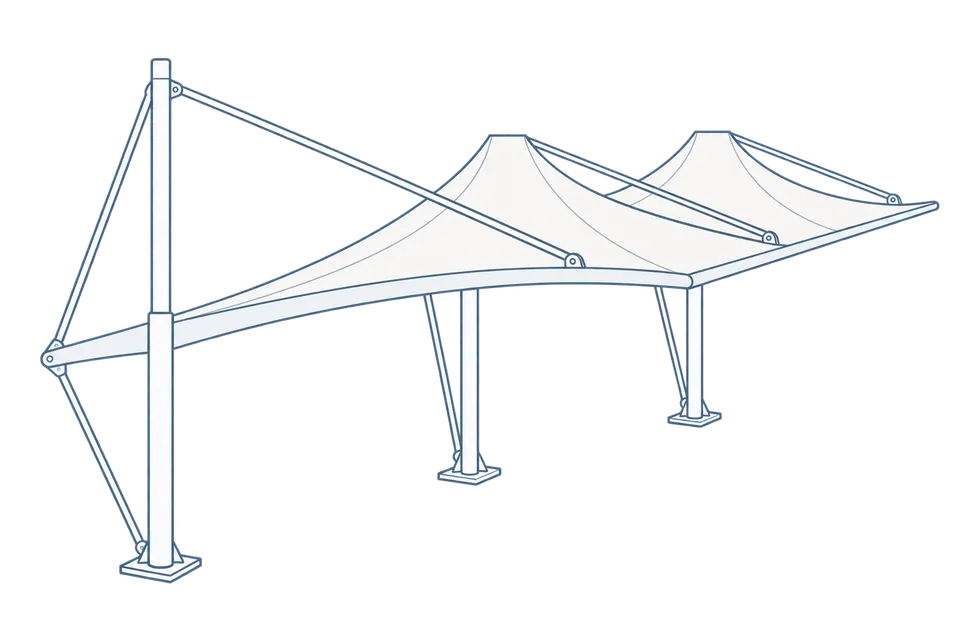 Solar carportsParking meets green energy→
 Landscape canopiesParks and leisure spaces→
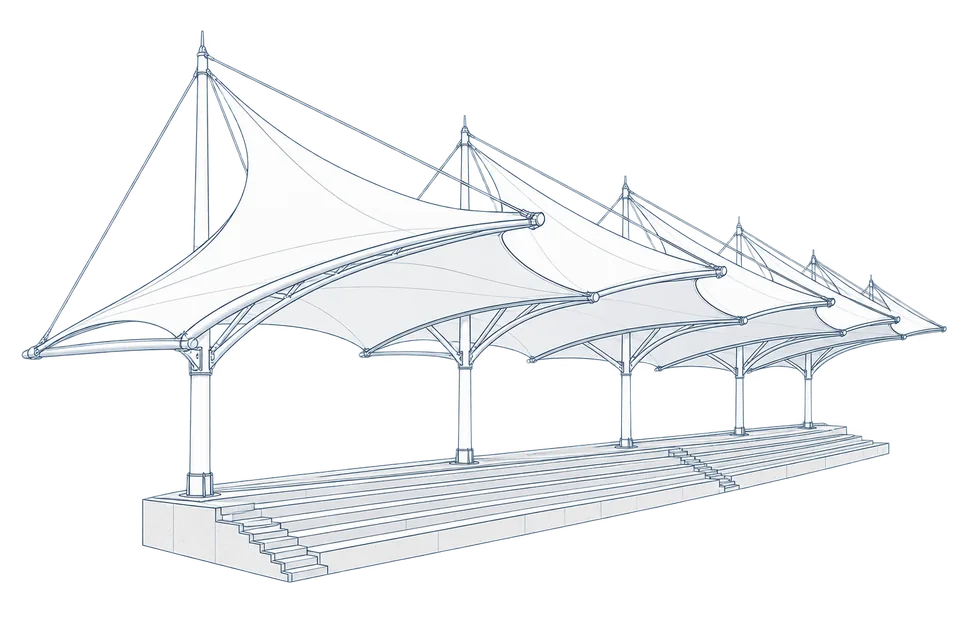 Grandstand canopiesSports venue shelters→
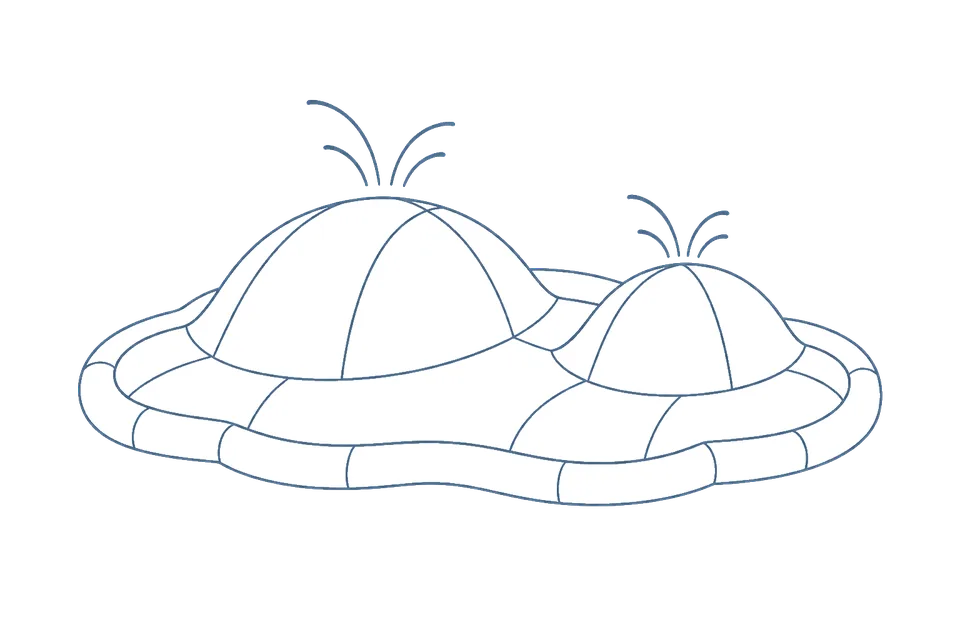 Inflatable play cloudsFamily play areas→
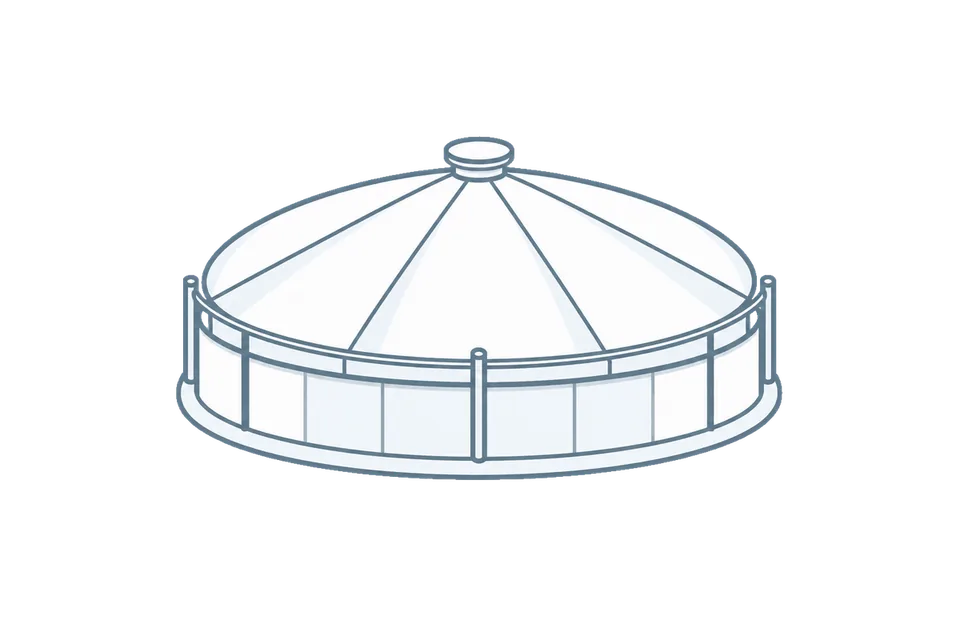 Wastewater coversEnvironmental infrastructure→
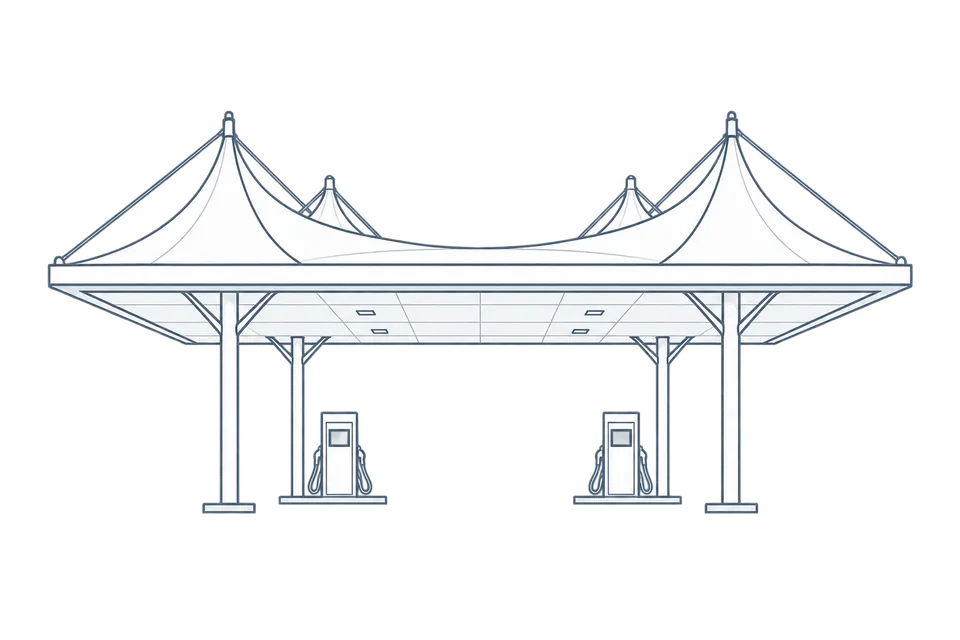 Fuel station canopiesStation shelters→
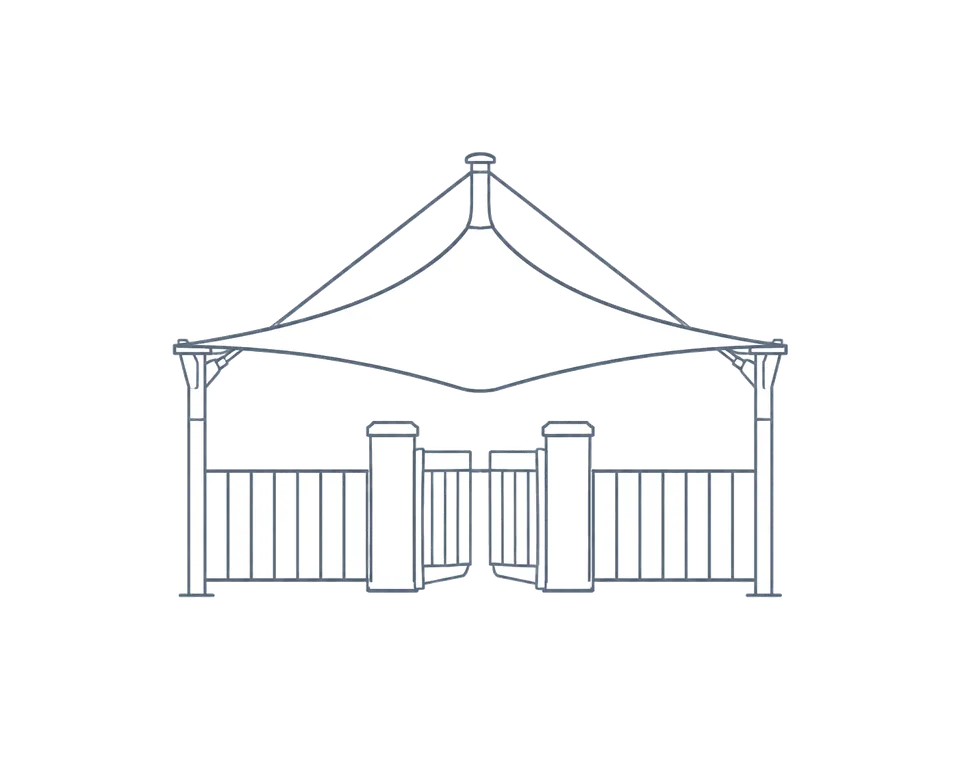 Entrance canopiesWalkways and entrances→
Identify stains and materials
Distinguish loose dust, attached contamination and material discolouration; agree the expected result.

CLEANING & CARE
Repair & maintenance
Plan cleaning around material and site conditions, with records that support ongoing care.
PROJECT OVERVIEW
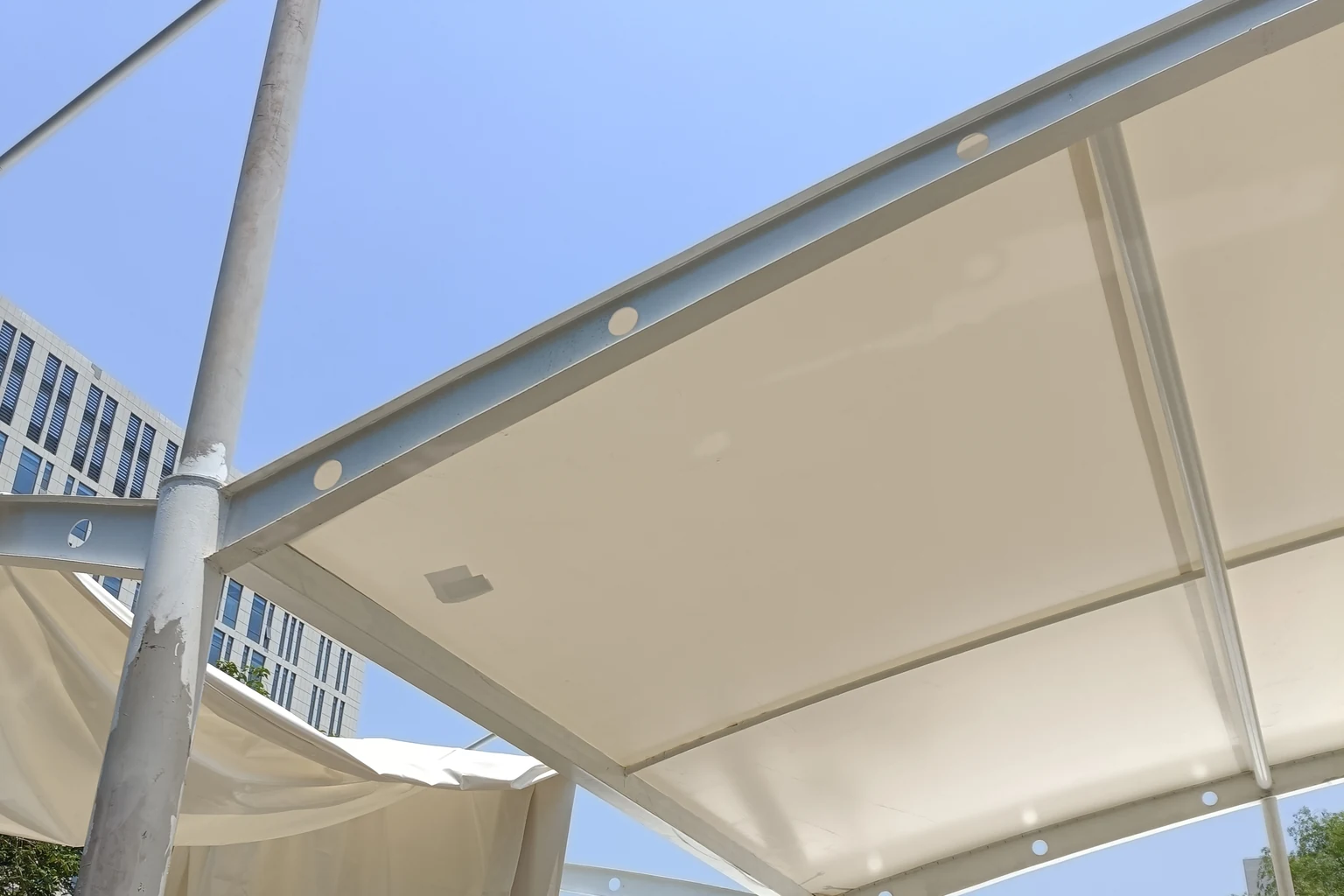
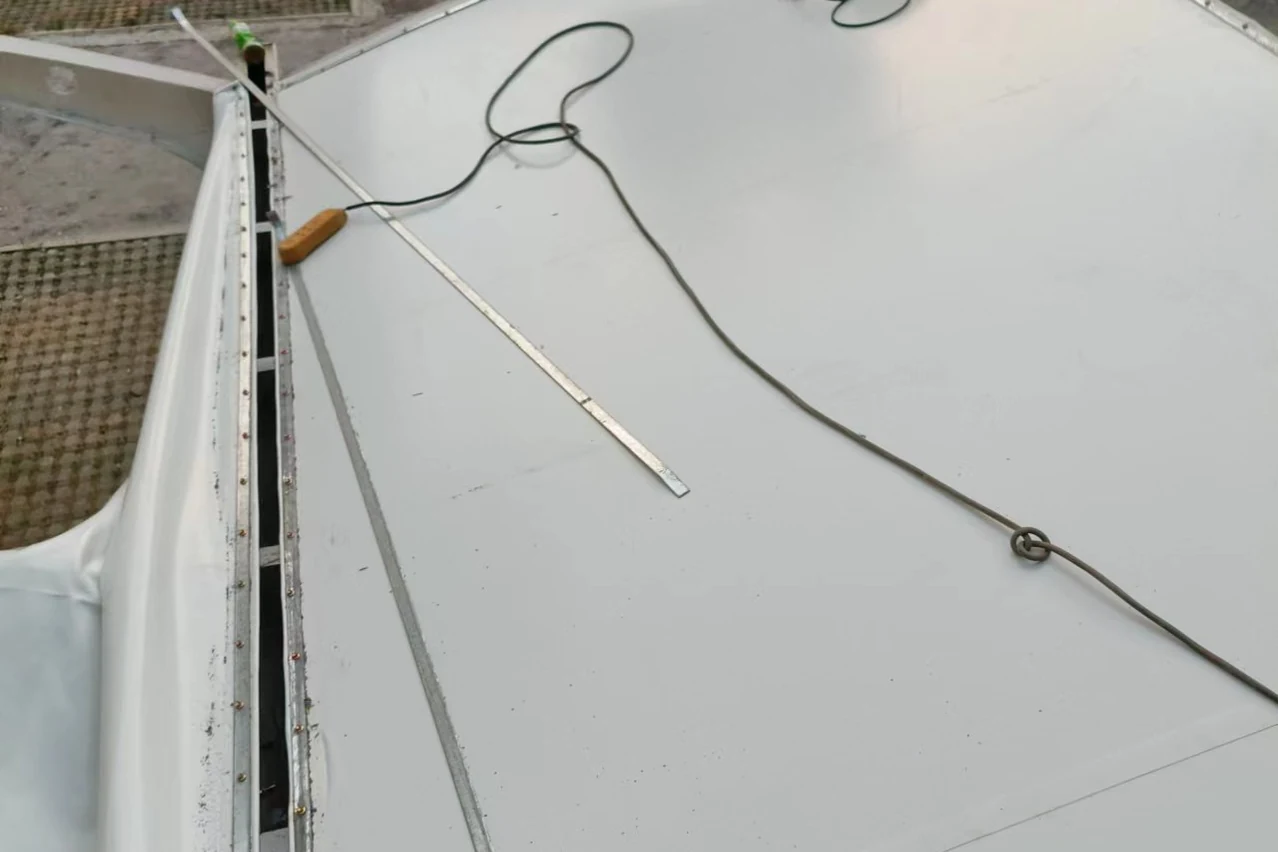
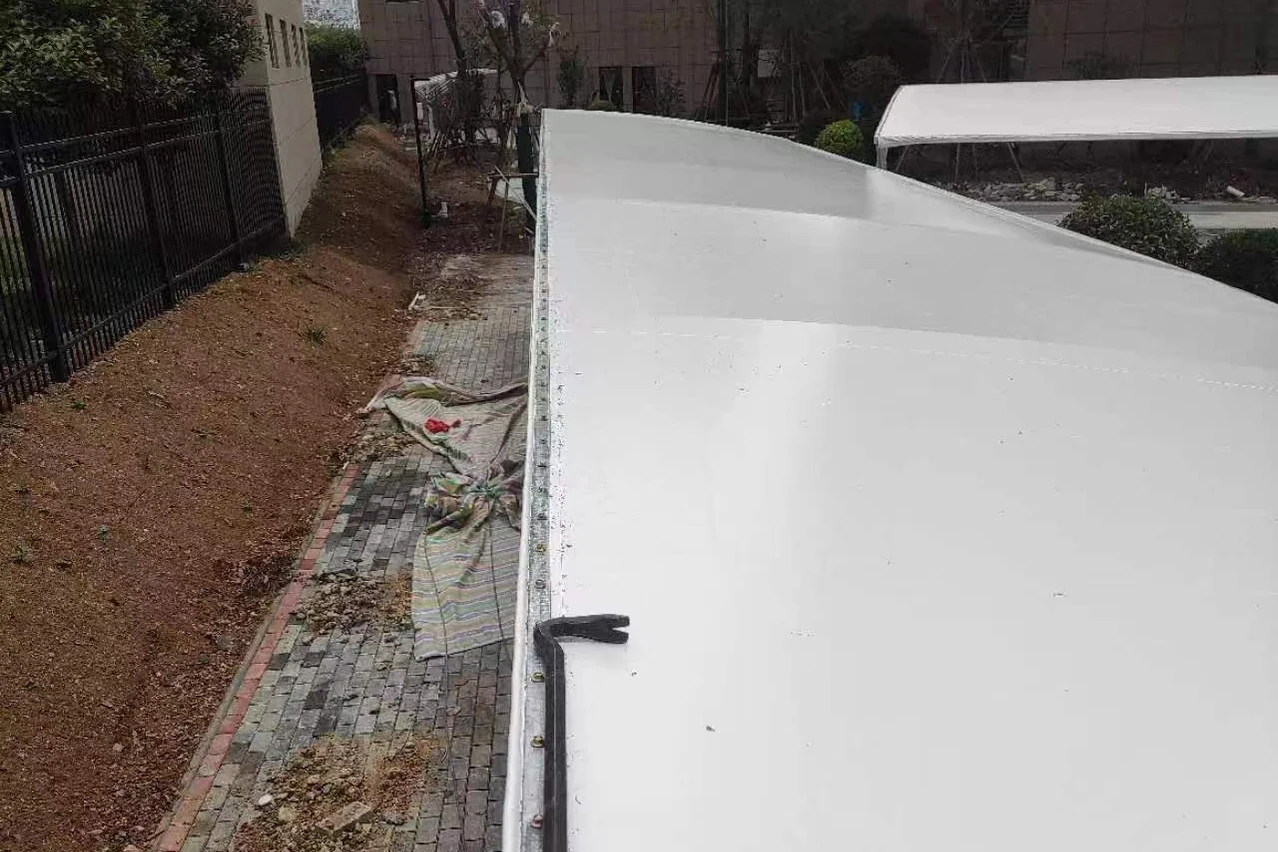
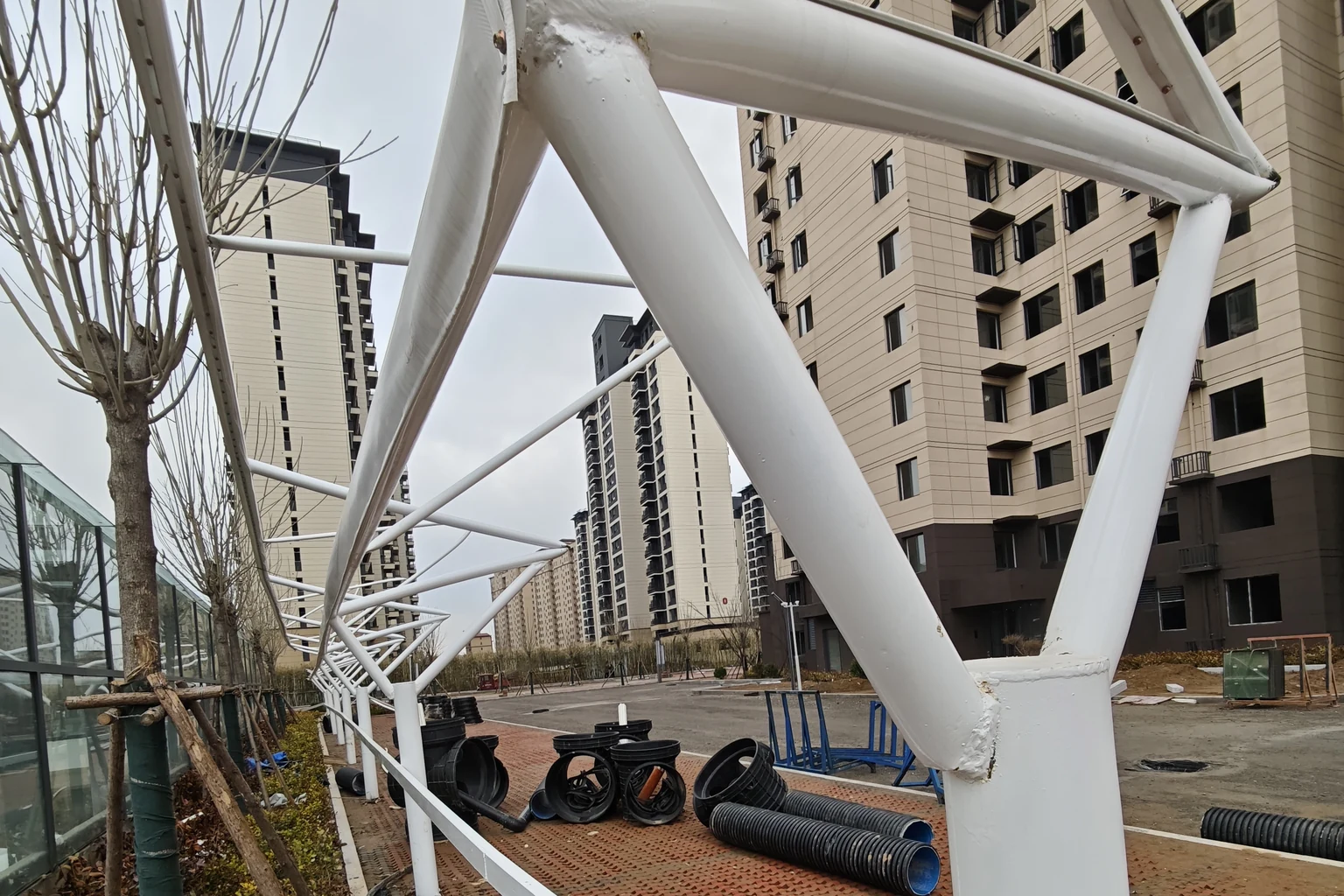
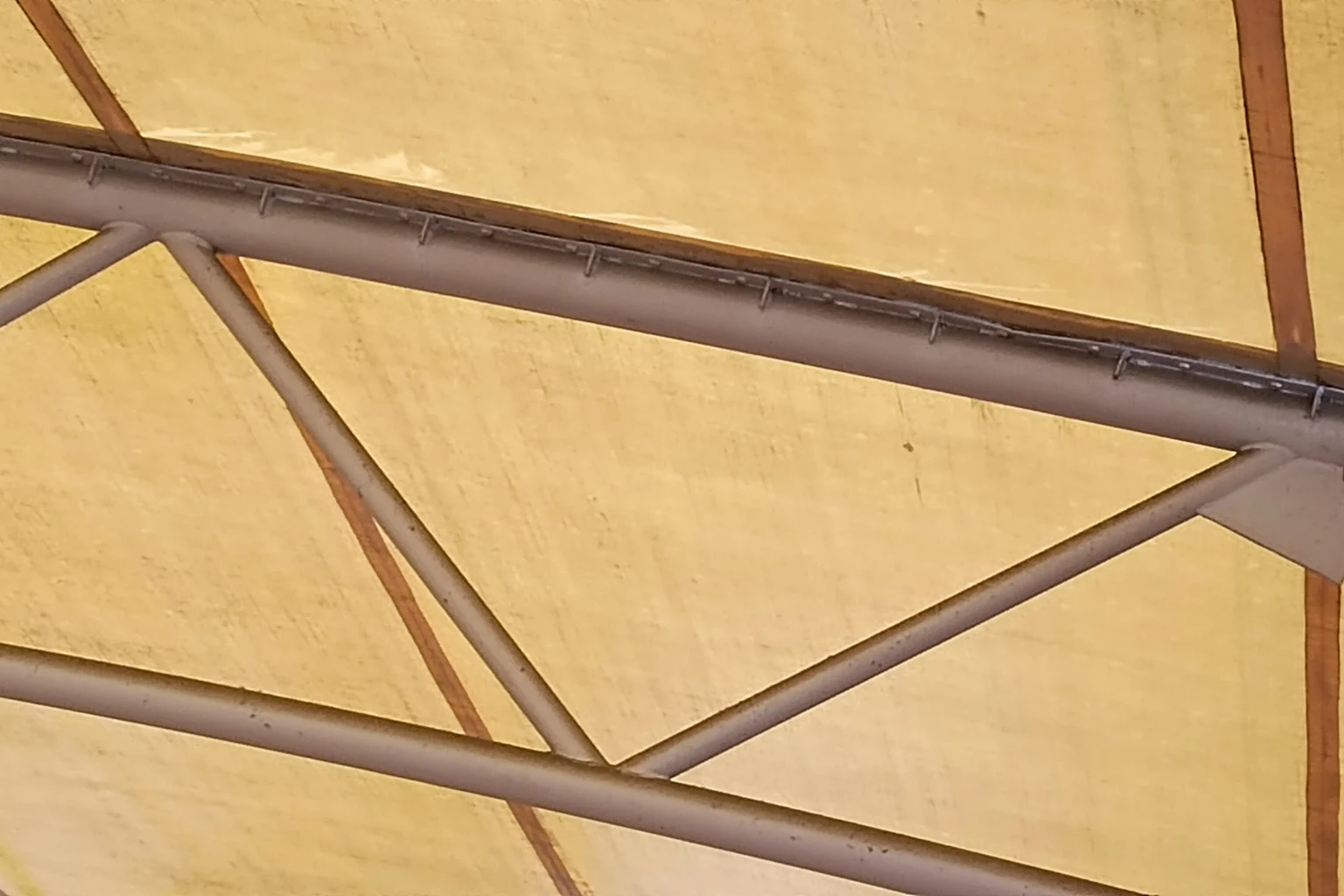
Cleaning addresses dust, leaves and routine appearance. Check material documents, surface condition and previous treatments first. Damage, coating defects or connection problems may require repair before cleaning. Methods must suit the material and site; no single process fits every membrane.
Distinguish loose dust, attached contamination and material discolouration; agree the expected result.
Inspect collection areas and outlets while cleaning, recording blockages and unusual water marks.
Record locations, dates, materials and treatments to compare condition over time.
Provide overall and close-up photographs, the contamination source and duration. Roads, trees and production facilities can create different deposits.
Cleaning may not remove yellowing, coating damage or patch colour differences. Consider a small trial before agreeing the full scope and achievable appearance.
Height, ground capacity, equipment access and working space affect the method. Plan relocation or protection of vehicles, people and equipment below.
Agree water supply, wastewater disposal and environmental constraints. Specialists should confirm products, methods and working conditions against material instructions.
Check the treated area and appearance records, then note remaining water marks, outlet or connection defects. Cleaning is not a structural inspection of the entire canopy.
Use consistent photographic viewpoints for later inspections of membranes, drainage and nearby branches or debris. Set intervals around contamination, maintenance documents and management resources.
SCOPE & COORDINATION
Use the same scope for proposals, quotations and handover.
| Work item | Discussion and delivery | Conditions to confirm |
|---|---|---|
| Membrane cleaning | Contamination types and treatment scope | Material instructions, expected result and trial cleaning |
| Drainage observation | Collection areas and debris records | Whether unblocking or repairs are included |
| Site coordination | Work zones and protection | Water, equipment access and wastewater disposal |
| Maintenance records | Before-and-after photographs and defect list | Record format and subsequent repair scope |
PROJECT JOURNEY
Collect membrane records and surface condition information.
Discuss appearance targets, compatibility and working conditions.
Coordinate cleaning with operations and record treated areas.
Record results, defects and areas needing observation.
START YOUR PROJECT
Share the location and current requirement so we can review conditions and scope together.
QUESTIONS & ANSWERS
Inspection and care should still follow material and project documents. Actual contamination and condition determine cleaning needs.
That cannot be guaranteed. Ageing, coating changes and persistent deposits affect results; agree the condition and target first.
Record its location and extent, assess whether cleaning can continue, then agree repairs or inspections separately.
Not automatically. Steel coating requires its own preparation and material specification and should be separately scoped.
RELATED SOLUTIONS