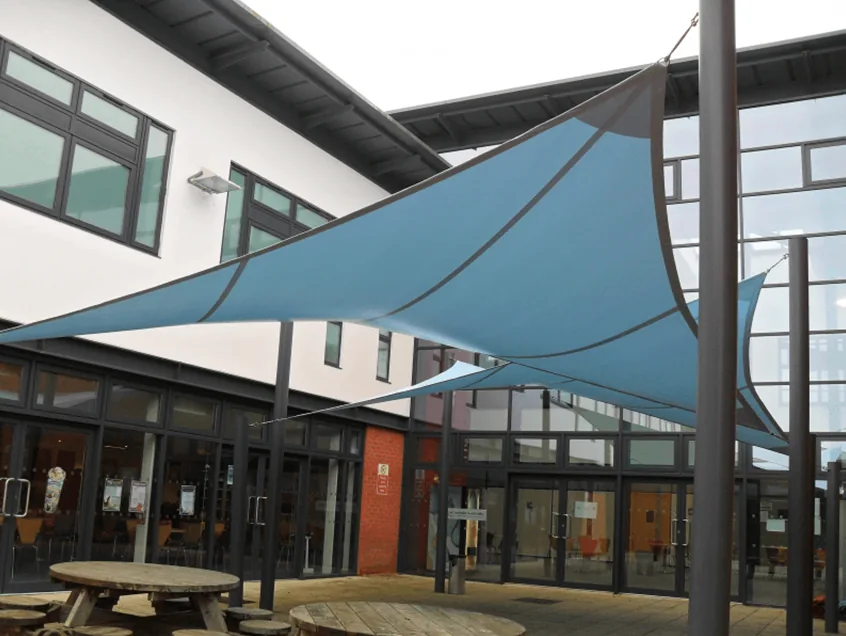
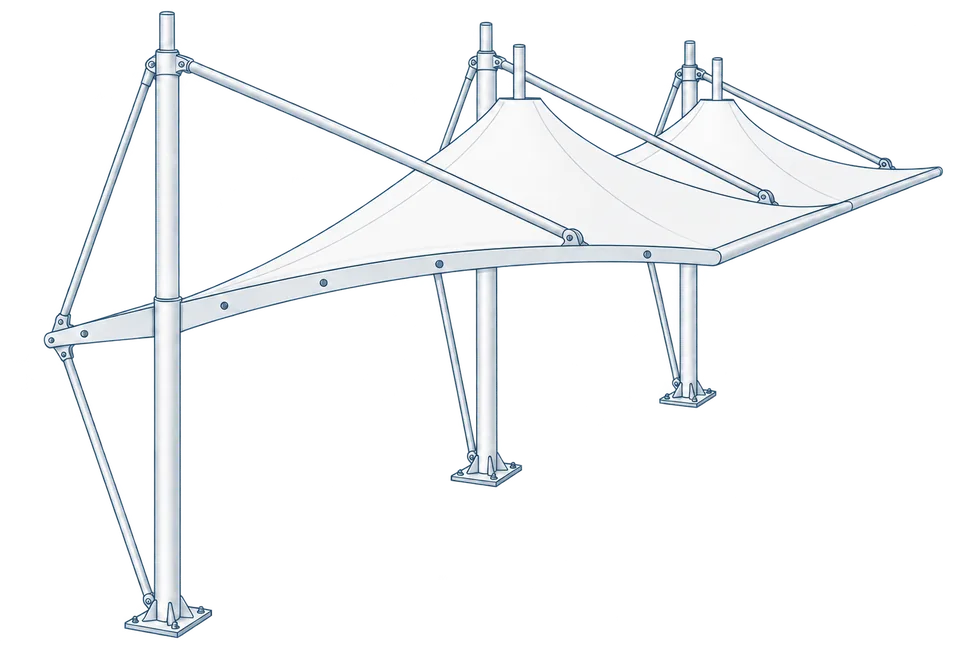
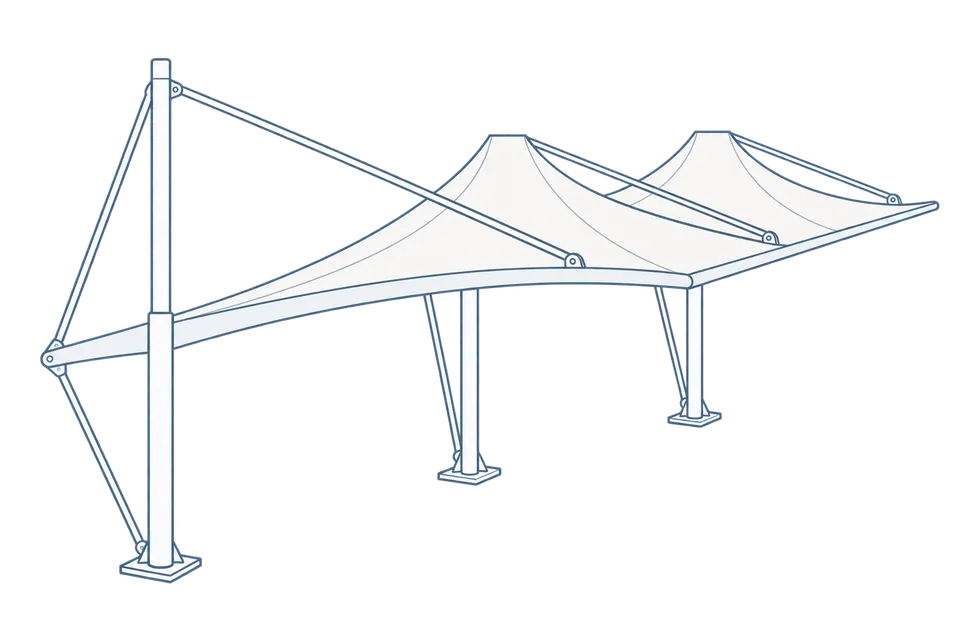
 Membrane carportsClassic membrane shelters→
 Solar carportsParking meets green energy→
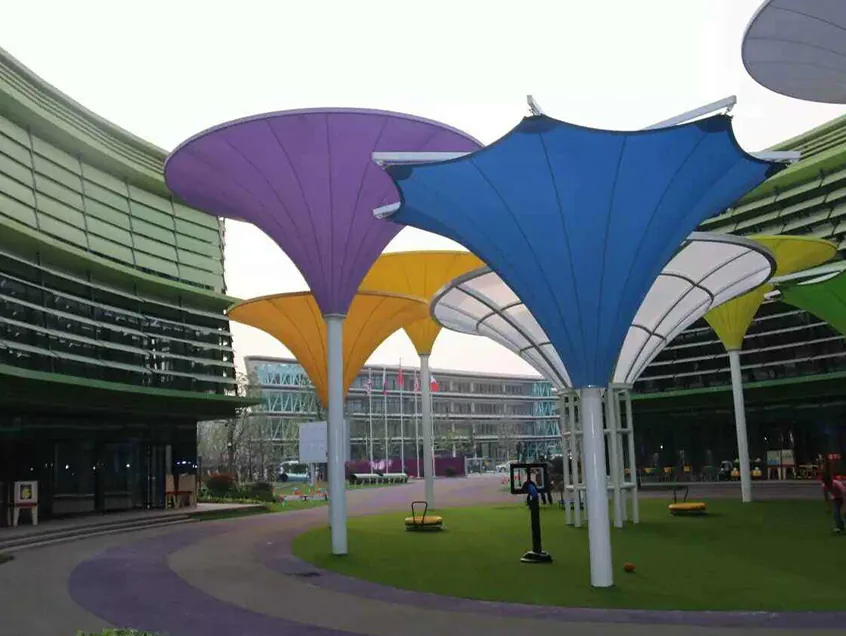
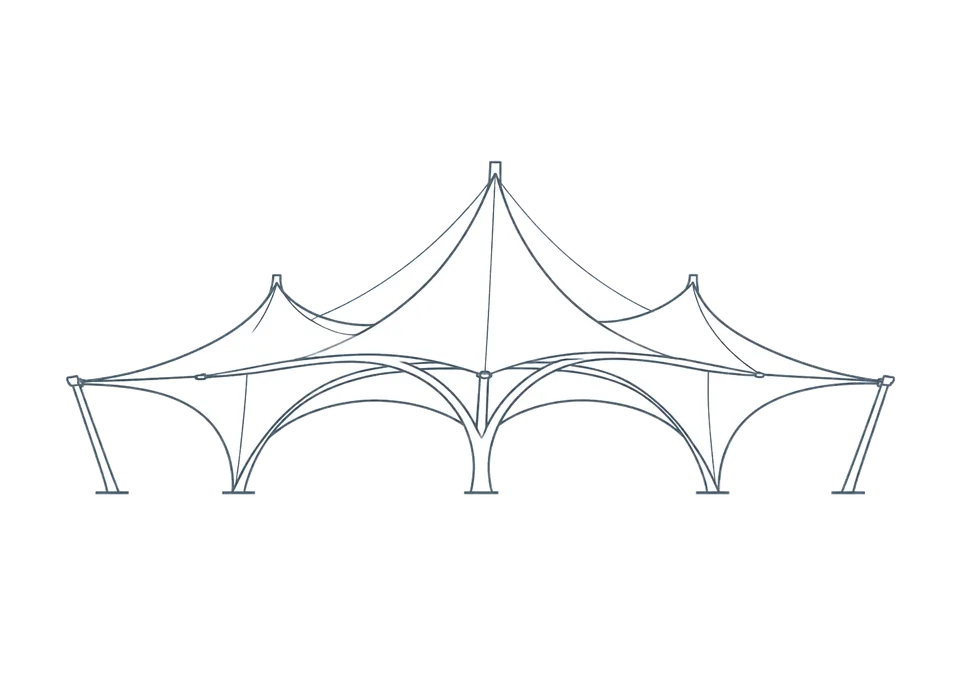 Landscape canopiesParks and leisure spaces→
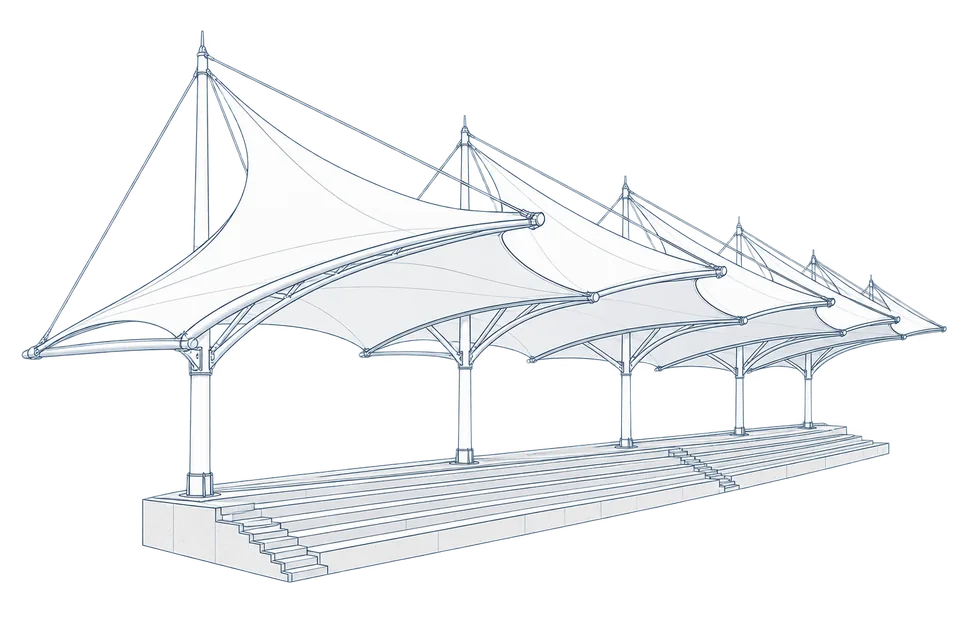 Grandstand canopiesSports venue shelters→
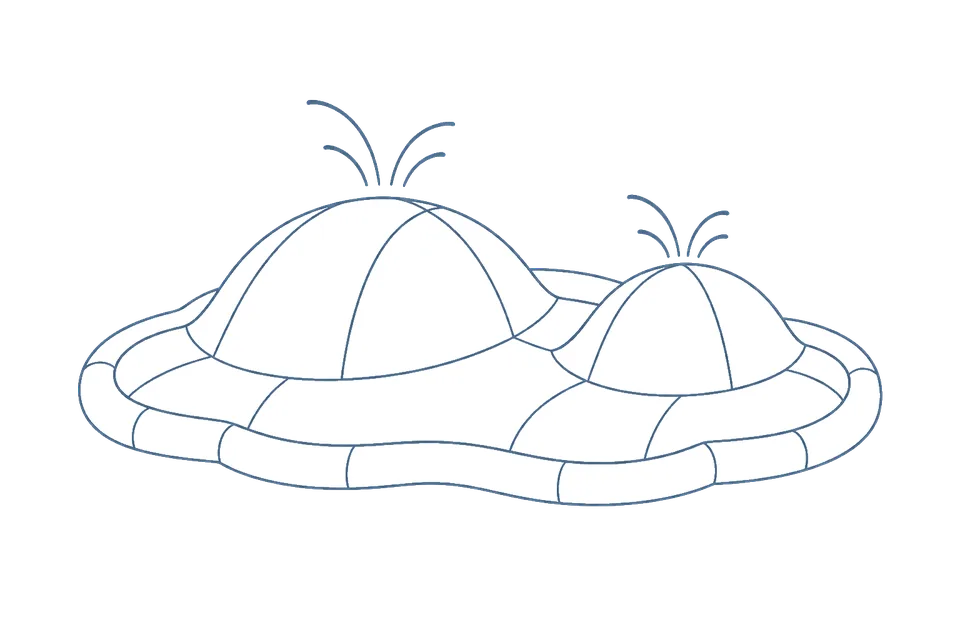 Inflatable play cloudsFamily play areas→
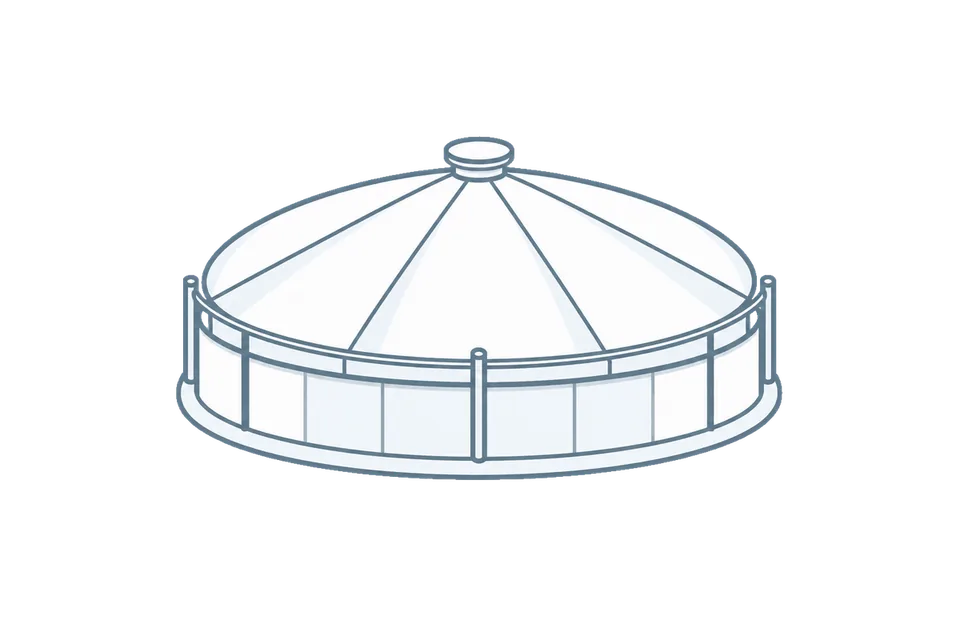 Wastewater coversEnvironmental infrastructure→
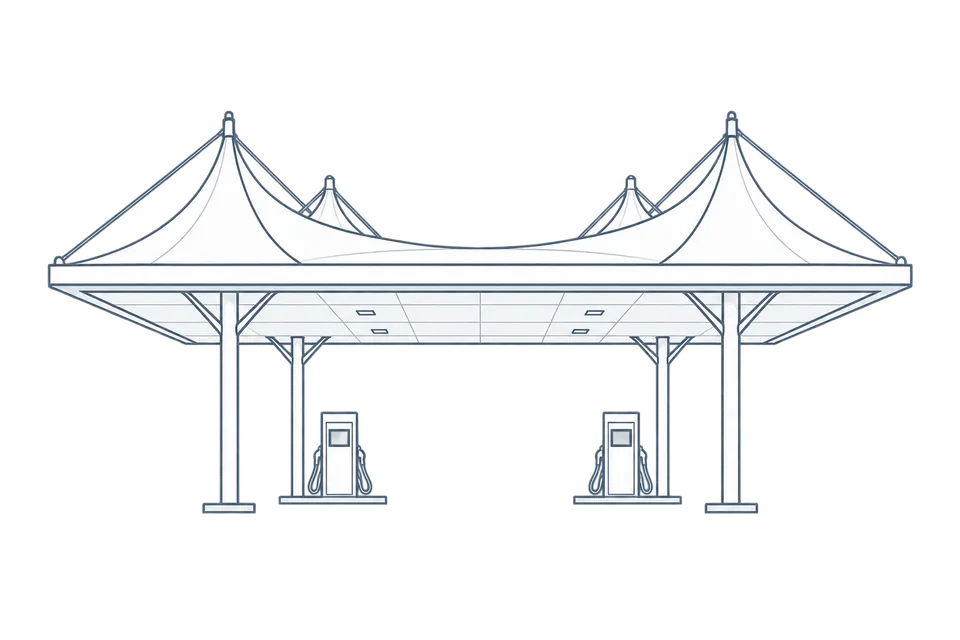 Fuel station canopiesStation shelters→
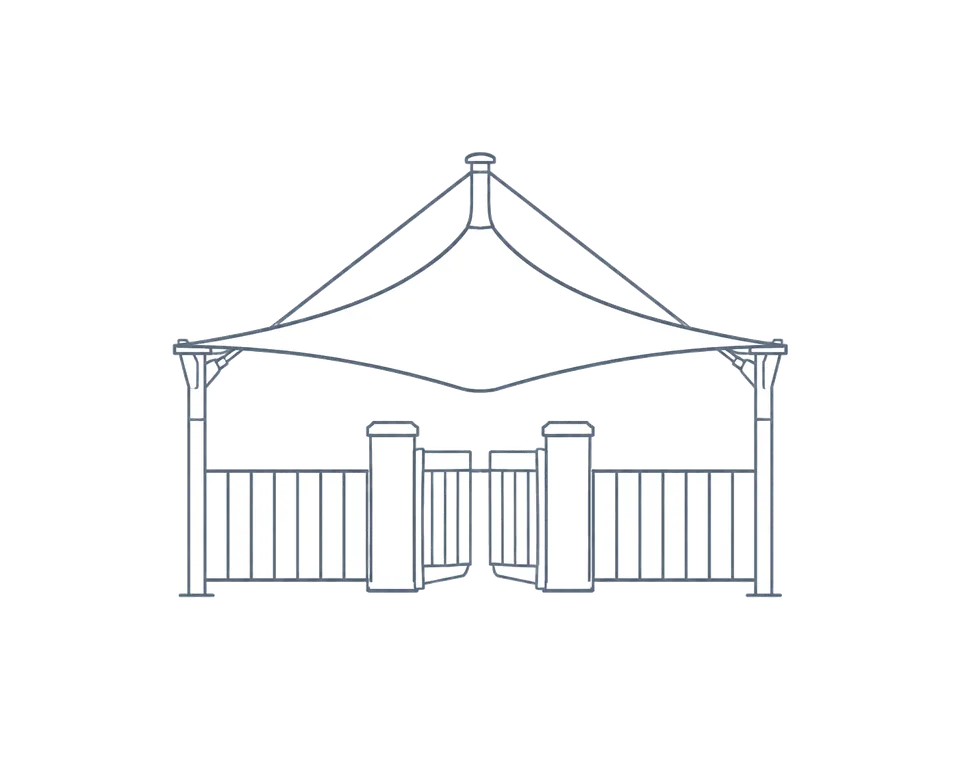 Entrance canopiesWalkways and entrances→
Cleaning architectural membranes: materials and surface care
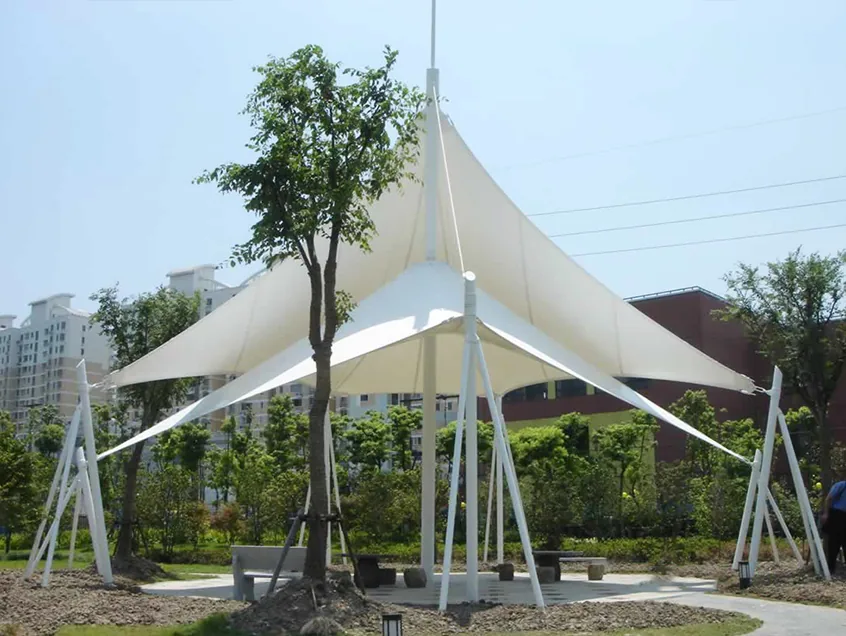
Cleaning an architectural membrane is roof-surface care, not backwashing a water-treatment filter. Select tools, cleaners and working methods from the installed product's maintenance instructions rather than applying filtration-equipment pressures, flows or cycles.
Identify the material and inspect damage first
Confirm the membrane, coating and contamination, checking tears, seams, wear and connections. Discuss repairs before cleaning damaged or peeling surfaces. If the material cannot be identified, request care information from the supplier.
Use surface-compatible tools and cleaners
Follow manufacturer-permitted methods and test a small inconspicuous area before expanding. Do not assume strong solvents, abrasives, stiff brushes or close-range pressure washing suit every membrane, and do not mix cleaners indiscriminately.
Adapt care to the site environment
Leaves, bird droppings, dust and oil differ in their effects; orientation and rain washing also affect cleaning frequency. Record cleaning, outlet checks and connection checks separately. Work at height needs its own safe access arrangements; a membrane is not an ordinary walkable roof.