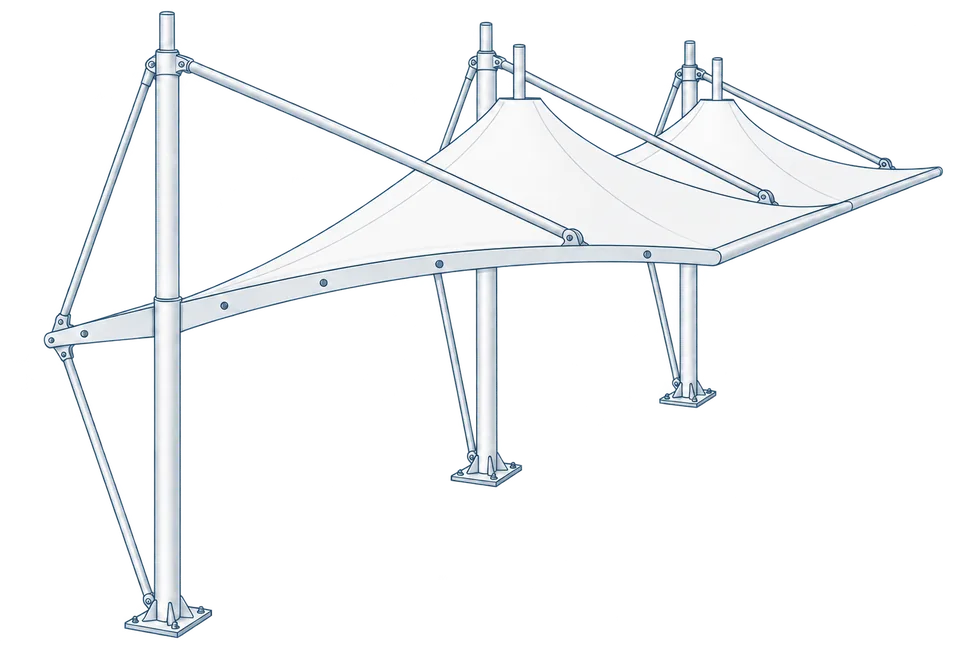
 Membrane carportsClassic membrane shelters→
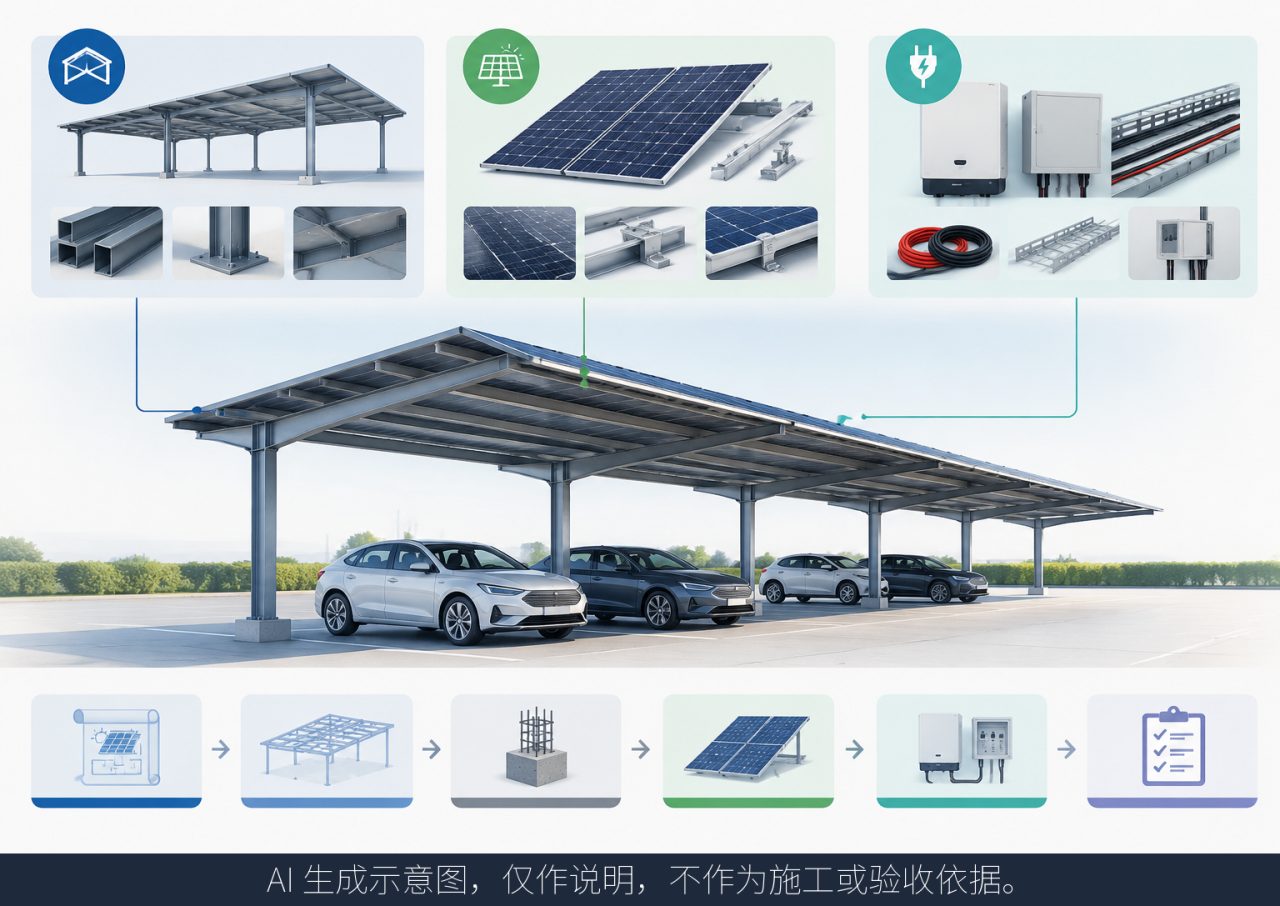
 Solar carportsParking meets green energy→
 Landscape canopiesParks and leisure spaces→
 Grandstand canopiesSports venue shelters→
 Inflatable play cloudsFamily play areas→
 Wastewater coversEnvironmental infrastructure→
 Fuel station canopiesStation shelters→
 Entrance canopiesWalkways and entrances→
Changing Maintenance Personnel for a Tensile Membrane Structure: How to Hand Over Drawings, Inspection Records and Material Documents
When maintenance personnel change on a membrane canopy, carport or other tensile membrane structure, the documentation handover comes down to three tasks: sort the existing records into three categories (as-built drawings, inspection and maintenance records, and warranty contracts), prepare a signed documentation handover checklist, and confirm clearly who receives the documents and who reviews them. If the handover is unclear, future issues such as membrane ponding or loose bolts lose their basis for judgment, and warranty claims may not match the contract.
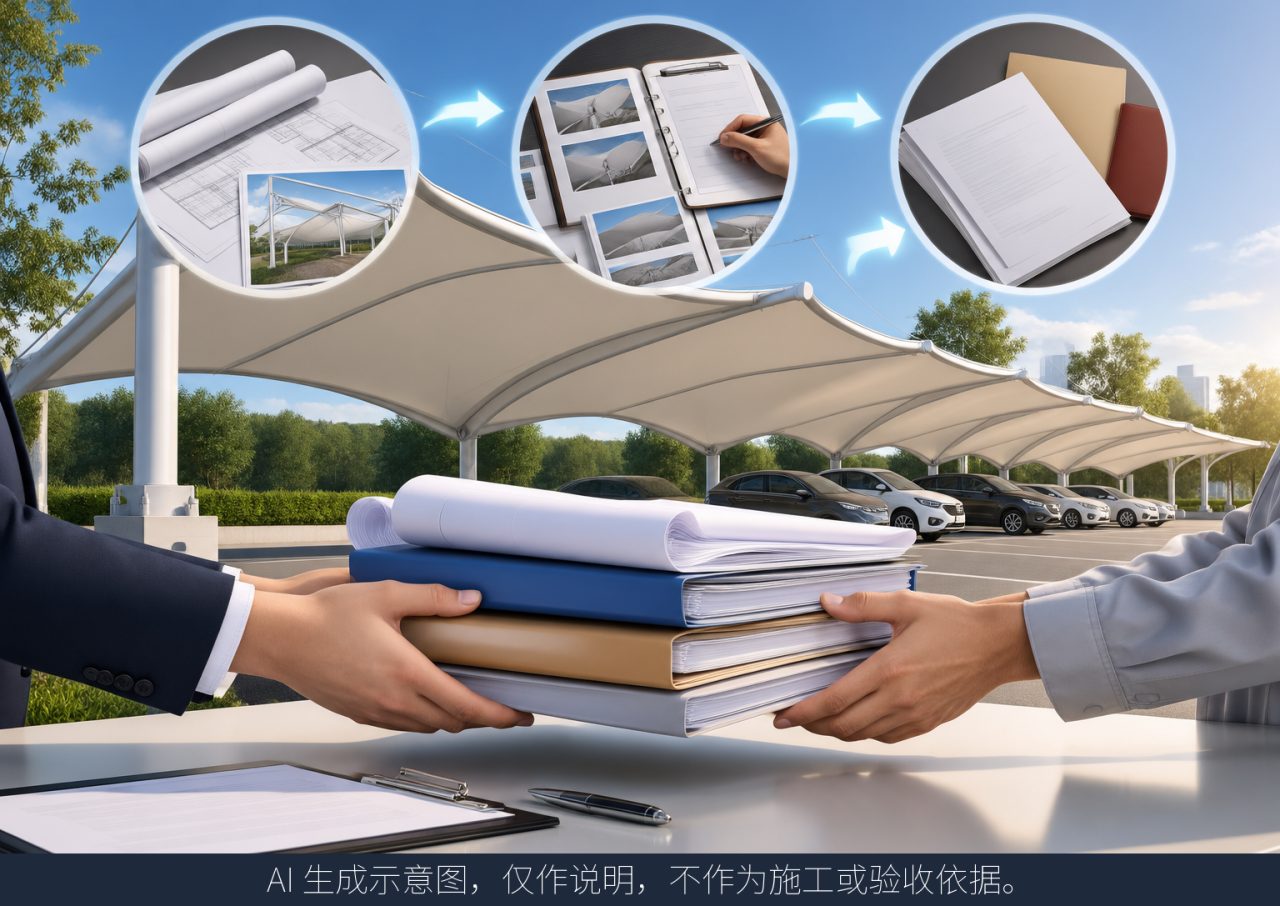
Which categories of documents should be handed over?
Sort the records into three categories by purpose, and register anything missing on the spot:
- As-built drawings and material documents: as-built drawings, material certificates for the membrane fabric and steel structure, and fabrication and installation acceptance documents. These are the basis for judging the structure's original condition.
- Inspection and maintenance records: historical inspection logs, repair and replacement records, and checks carried out after rain or high winds. This category covers the routine inspection files kept by the site or facility team.
- Warranty contracts: contracts signed with the original supplier or contractor, warranty terms, and itemized warranty certificates. Whether a warranty is valid, and who to claim against, is determined by the contract.
Once sorted, enter each item into the handover checklist, noting whether it is an original or a copy and whether anything is missing. Both parties each keep a signed copy.
What if the as-built drawings are missing?
First check with the facility archive, the original construction client or the original supplier — on many projects the drawings still exist in one of these places. If the search fails, it is advisable to engage a party with tensile membrane structure design capability to carry out a site survey and issue drawings reflecting the current condition, clearly marked as verification drawings rather than original as-built drawings. Any verification conclusion should be based on actual site conditions and design checking — never redraw load-bearing drawings from experience alone.
What should inspection records cover?
A usable inspection record should at minimum cover:
- Membrane surface: ponding, wrinkles, damage, changes in staining, and any signs of leakage at seams;
- Connections: rigging, bolts and clamping plates for looseness or corrosion;
- Steel structure: coating peeling or rusting, and any abnormal weld appearance;
- Drainage: gutters and outlets kept clear;
- Environment: whether a targeted check was carried out after each episode of strong wind, heavy snow or heavy rain.
Each entry should note the date, inspector and result, with photos attached for any anomaly. The format need not be elaborate — continuous traceability matters more than a polished form.
How does membrane and steel warranty carry over through the handover?
Warranty follows the contract, not the individual maintenance person. At handover, check carefully whether the contract states itemized warranties — separate terms for the membrane fabric and the steel structure — rather than a single verbal overall promise. Take a membrane structure carport as an example: in the source project context, the membrane fabric typically carries a 5-year fabric manufacturer warranty, the steel structure warranty is as itemized in the contract, and under normal use and maintenance the carport's overall service life is generally 10–15 years. Preserve these figures only if your own contract states them; do not assume they apply to every project.
If a membrane or steel issue arises within the original warranty period, claim against the original supplier with the contract and inspection records. If the warranty has expired, the new maintenance team simply arranges its own inspection cycle.
Qingsong Membrane Structures writes itemized warranties into the contract on the projects it undertakes rather than relying on verbal promises, so that when maintenance personnel change, each item's warranty scope and duration can be verified against the contract.
Who receives the documents, and how is receipt confirmed?
Normally the documents go to the incoming maintenance lead, with confirmation stamped by the facility or owner. If the outgoing person leaves with no successor, hand the documents directly to the facility archive for safekeeping. A three-step confirmation is recommended:
- Both parties check the documents against the handover checklist item by item, ticking each as verified;
- The checklist notes original/copy status, number of copies, missing items and who is responsible for filling each gap;
- Both parties sign, each keeps one copy, and a deadline is agreed for completing missing items.
When something goes wrong later, the answer to "who is responsible" is not in verbal assurances — it is in the contract. Warranty is executed as the contract provides, which is why the warranty contract category takes priority in the handover.
If, while organizing the documents, you find missing drawings, unclear warranty terms or doubts about the structure's condition, engage qualified professionals for a site review early rather than waiting for a leak or deformation. To discuss your project, please prepare its intended use, dimensions or available drawings, and the services you wish to commission, and contact us to arrange a review of the scope.
A note for overseas buyers and their engineers: the checklist above describes what you should verify during a handover. Which design coordination, custom fabrication and supply scope services Qingsong Membrane Structures can provide for your project — and where design responsibility and supply boundaries lie — should be agreed in the RFQ (Request for Quotation) stage with your project engineer, and confirmed against the drawings and material documents.