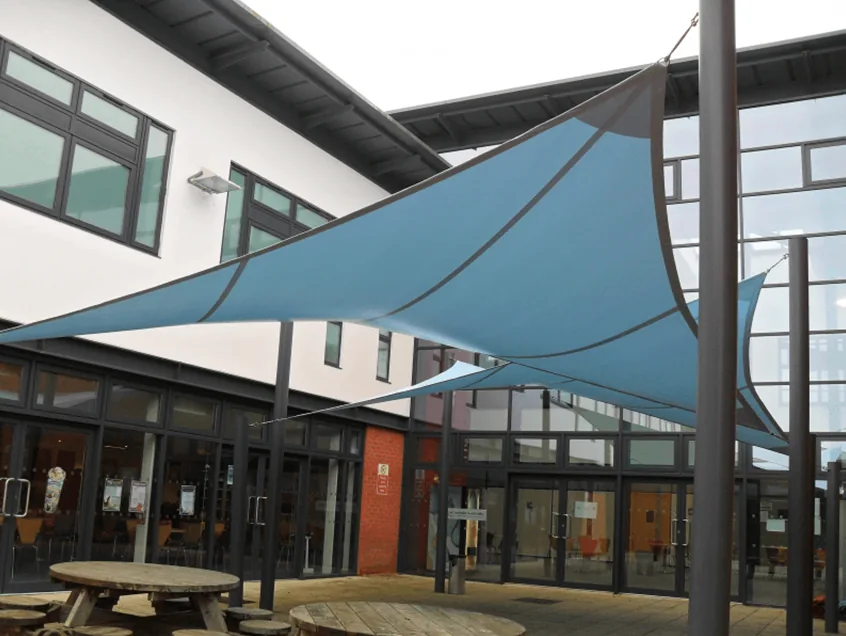
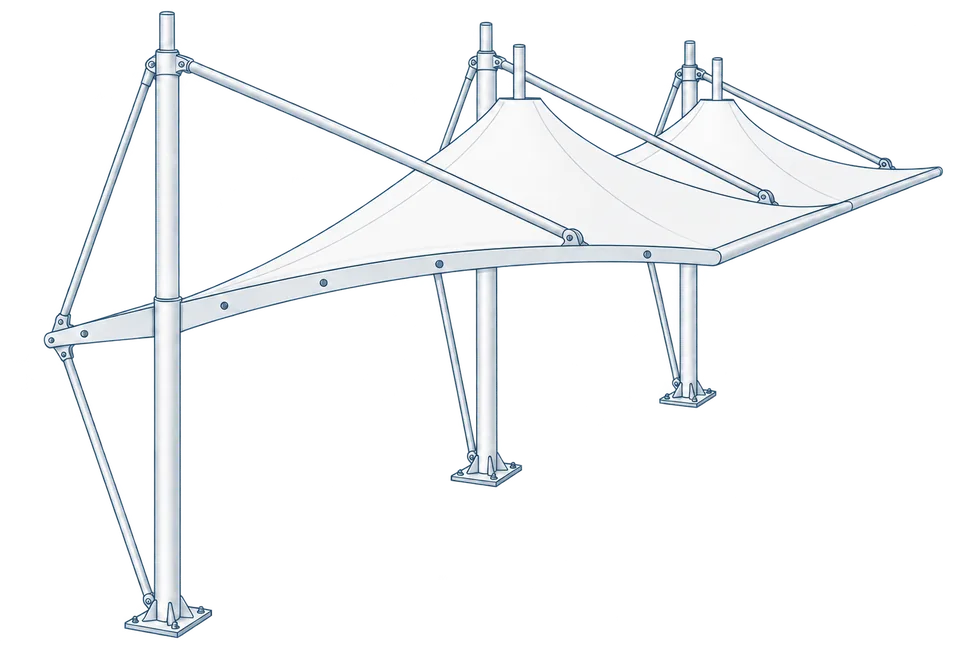
 Membrane carportsClassic membrane shelters→
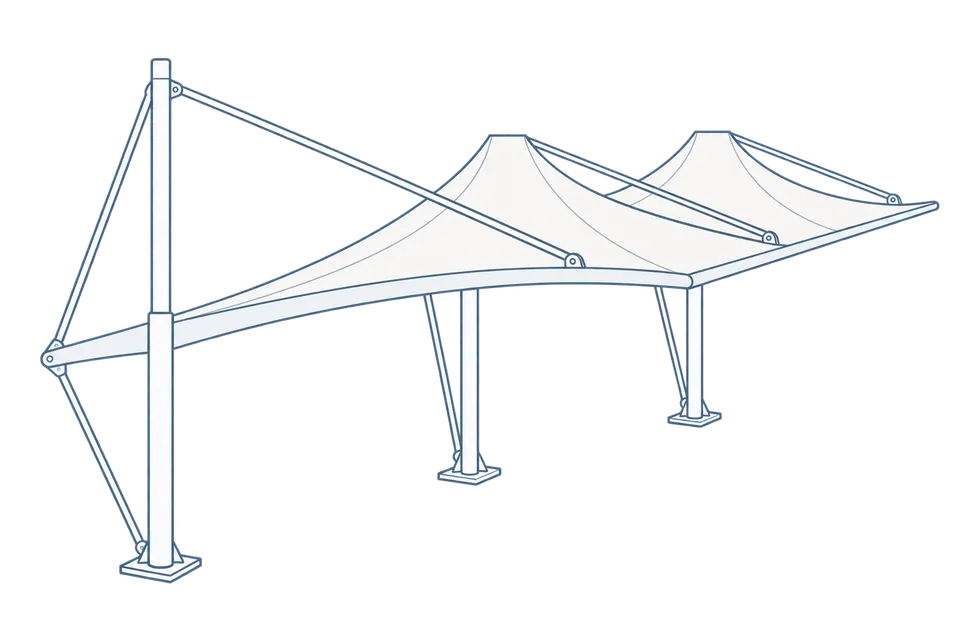 Solar carportsParking meets green energy→
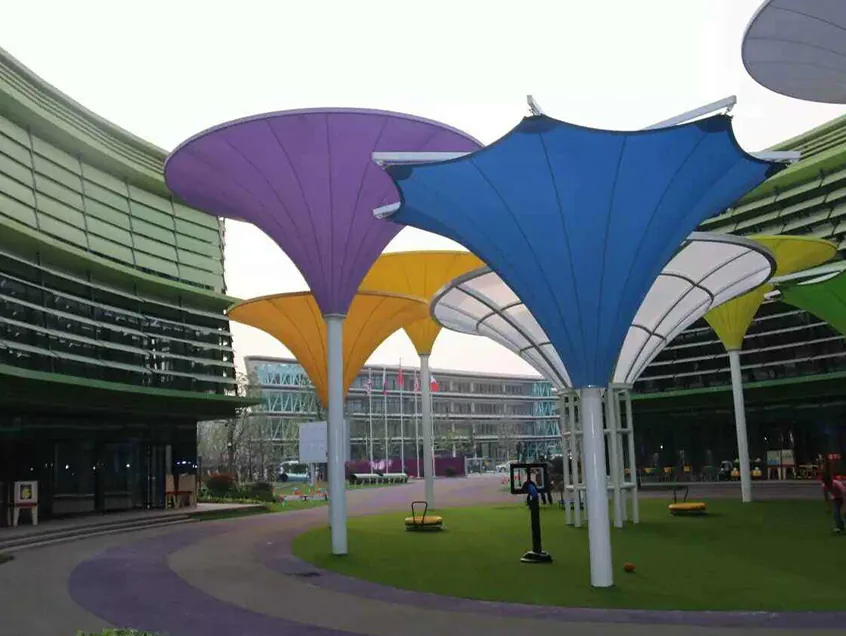
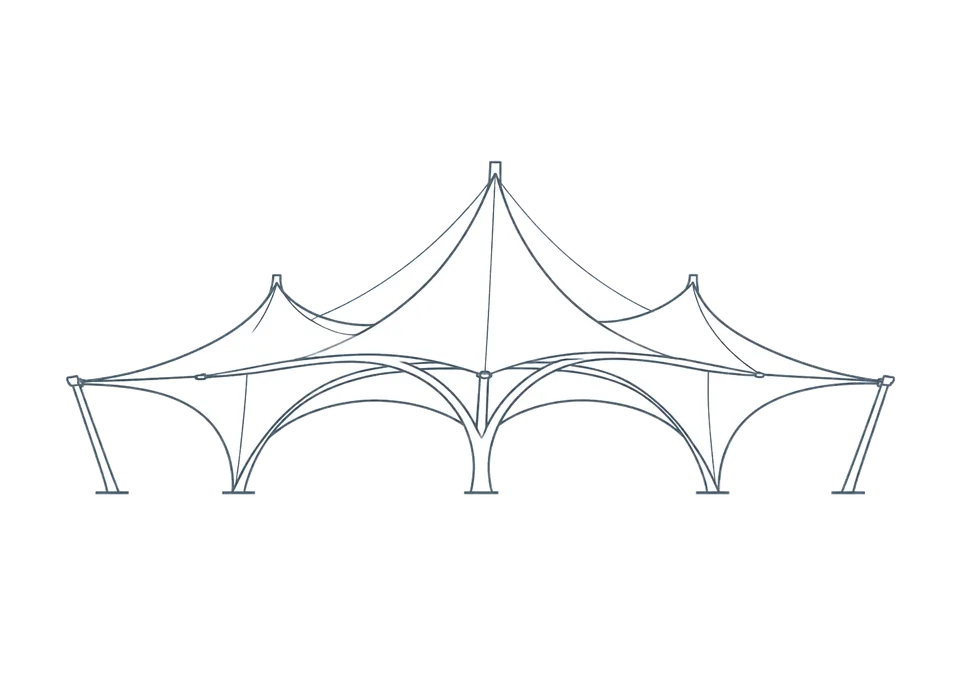 Landscape canopiesParks and leisure spaces→
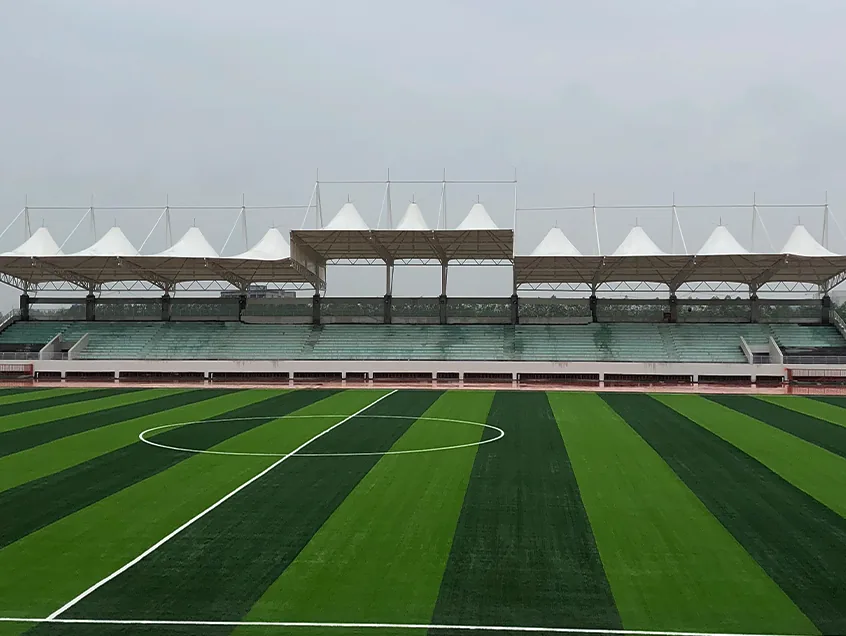
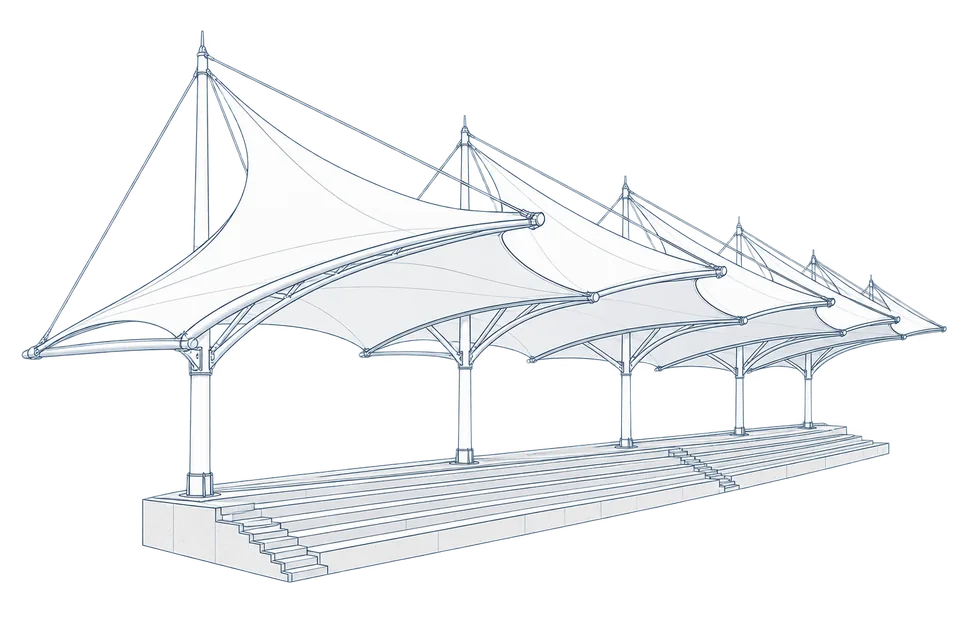 Grandstand canopiesSports venue shelters→
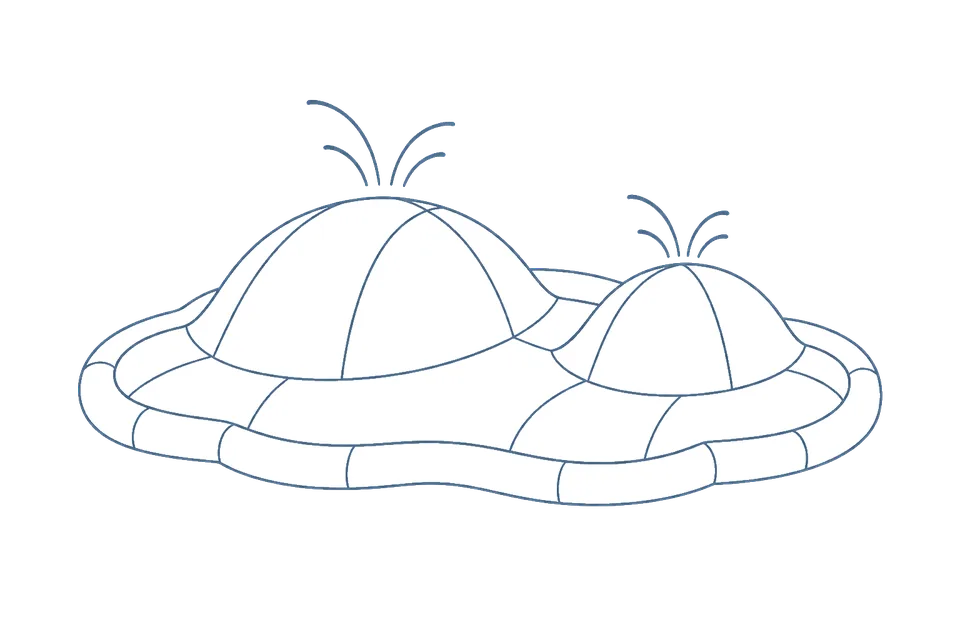 Inflatable play cloudsFamily play areas→
 Wastewater coversEnvironmental infrastructure→
 Fuel station canopiesStation shelters→
 Entrance canopiesWalkways and entrances→
What Should Buyers, Designers and Fabricators Confirm Before Tensile Membrane Structure Fabrication Starts?
Most problems in a tensile membrane structure project do not start in the fabrication workshop — they start before fabrication, when pre-production conditions are not properly confirmed. Site data, load parameters and drawing approval are three categories of input that must each be assigned to a clearly responsible party. If drawings change after material has been cut, fabricated components may be scrapped, affecting both schedule and cost. This article sets out what each party should confirm before custom fabrication begins.
1. Who Provides Which Inputs
The division of responsibility is straightforward in principle: the buyer (owner) supplies or authorizes collection of the original site and project conditions, the designer converts those conditions into design documents, and the fabricator works to finalized, approved drawings. Each party's inputs differ, and mixing them is a common source of disputes.
| Responsible party | Inputs to confirm before fabrication |
|---|---|
| Buyer (owner) | Intended use; site boundaries and relationship to surrounding buildings; available dimensions or drawings; whether hot work (welding) is permitted on site |
| Designer | Load parameters (calculated against local wind and snow conditions); structural scheme; membrane material specification; detailed design documents |
| Fabricator | Finalized drawings; component fabrication and surface treatment requirements; site installation conditions (lifting access, bolted versus welded connections) |
How is site measurement data obtained? For smaller sites, dimensions provided by the buyer, or verified by conventional setting-out on site, are usually sufficient. For large or complex sites, drone-based survey after mutual agreement is an option, provided it is carried out by a party equipped to do so. This avoids accumulated manual measurement errors being carried through to component dimensions.
2. Responsibility Interfaces from Design to Installation
A one-stop process — design → fabrication → surface treatment → installation — connects the stages, but each interface should be documented one by one:
- Design condition confirmation: Load parameters and site conditions are reviewed by the designer and entered into the design documents, with written confirmation from the buyer.
- Detailed design and drawing approval: Detailed (shop) drawings are normally issued by the designer or by a fabricator with in-house design capability. They must be reviewed and signed off by the buyer or the buyer's appointed reviewer before production begins. Who issues drawings and who approves them should be fixed in the contract.
- Fabrication and surface treatment: Components are fabricated item by item to the finalized drawings and delivered as finished products, with no secondary processing on site. Rust removal and coating are completed in the workshop — each component is ground, descaled, cleaned of welding slag and oil, inspected, and then coated.
- Site installation: A bolted, no-weld installation method suits sites where bolted connections are required and hot work is not permitted. This must be agreed at the design stage, because it directly affects connection details — it is a design condition, not something to change on site during installation.
Each interface handover should correspond to a written confirmation. Verbally agreed load values or verbally approved connection changes are impossible to resolve when problems arise.
3. Put Warranties in the Contract
Many disputes come from "the promised warranty" existing only in conversation. The safer approach is itemized warranties: agree the scope and duration of warranty separately for the membrane fabric and the steel structure, and write all of it into the contract — no verbal commitments. Itemized warranties keep responsibility clear: a membrane surface issue is handled under the membrane clause, a steel issue under the steel clause, with no finger-pointing in between.
4. What Must Not Be Finalized Before Design Conditions Are Confirmed
Do not finalize the following before the input conditions are confirmed:
- Structural calculations and member sections, before load parameters are verified against local wind and snow conditions;
- Overall dimensions and foundation positions, before site measurement is complete;
- Welded versus bolted connection types, before it is confirmed whether hot work is allowed on site;
- Material cutting and production, before the detailed drawings are approved by the buyer.
The cost of getting the sequence wrong is direct: once drawings change, already-cut components are scrapped, hitting both schedule and budget.
5. Confirm Inputs First, Then Start Fabrication
In one sentence: design conditions confirmed first, drawing approval in the middle, fabrication and installation last. The buyer's core actions are to provide accurate site data, confirm design conditions in writing, and approve the detailed drawings; the designer and fabricator each turn their professional outputs into verifiable documents. With the sequence right, every later step becomes easier.
FAQ
Q: Is drone surveying mandatory for site measurement? No. For small sites, conventional setting-out and verification are usually sufficient. For large or topographically complex sites, drone surveying can be used after discussion and agreement, offering better accuracy and efficiency.
Q: Who approves the detailed drawings? The buyer or the buyer's appointed reviewer. Who approves should be stated in the contract, and production should only begin after sign-off.
Q: What if welding is not allowed on site? A bolted installation method can be agreed at the design stage. Components arrive as finished products with no on-site fabrication, so no hot work is involved.
Next Step
If you are sourcing a membrane canopy, carport, bicycle shelter or another tensile membrane structure, please prepare your intended use, dimensions or available drawings, and the design coordination, custom fabrication and supply scope you wish to delegate. Costs vary considerably with span, membrane material and configuration, so a site survey followed by a tailored proposal is the usual starting point. Share your project details and required supply scope so we can review what can be confirmed before fabrication begins. You can reach us through our contact page.
Note: this article is a draft translation pending review. Design responsibility, supply boundaries, survey arrangements and warranty terms are matters to be agreed between buyer and supplier for each project and do not constitute a commitment to overseas field installation.