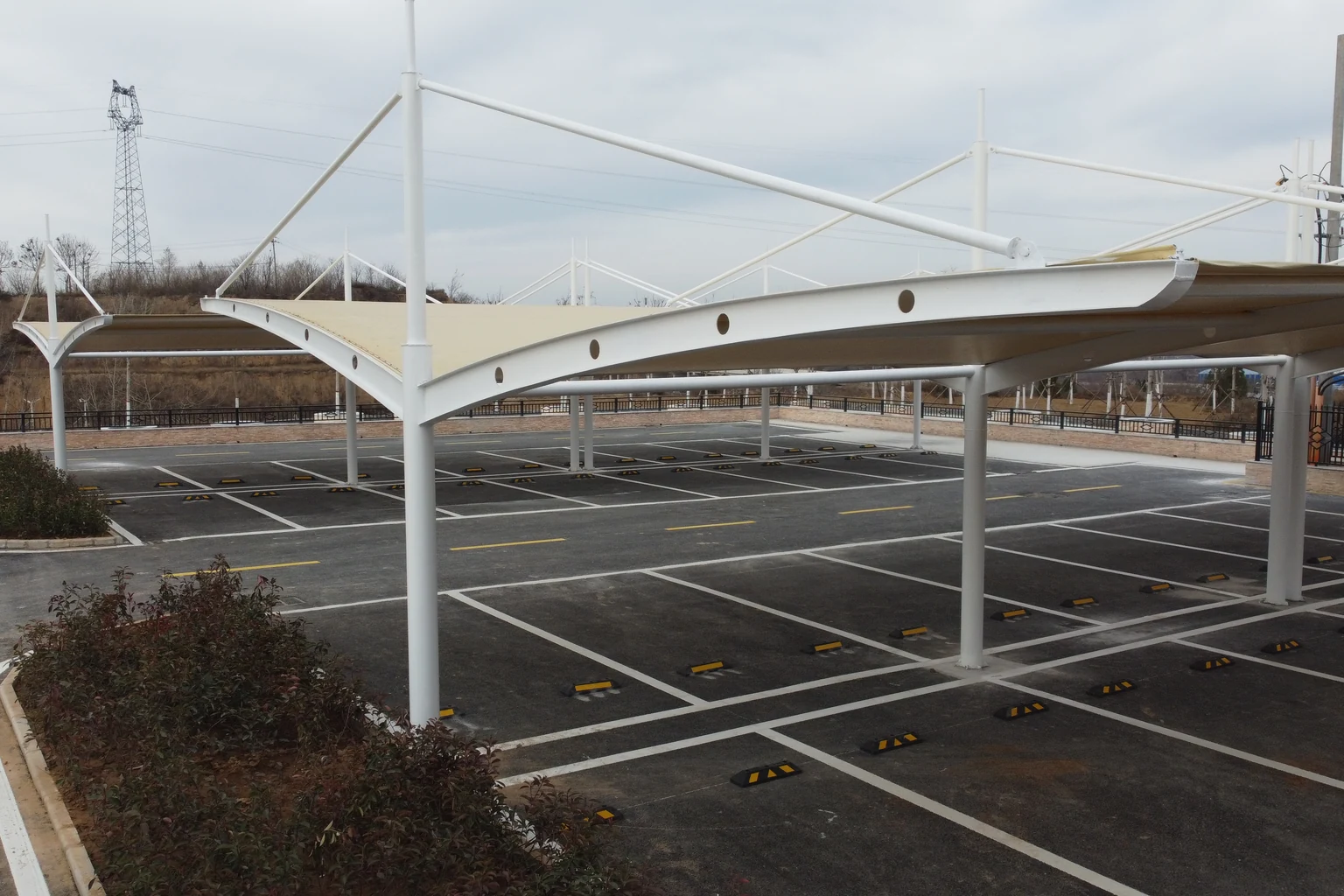
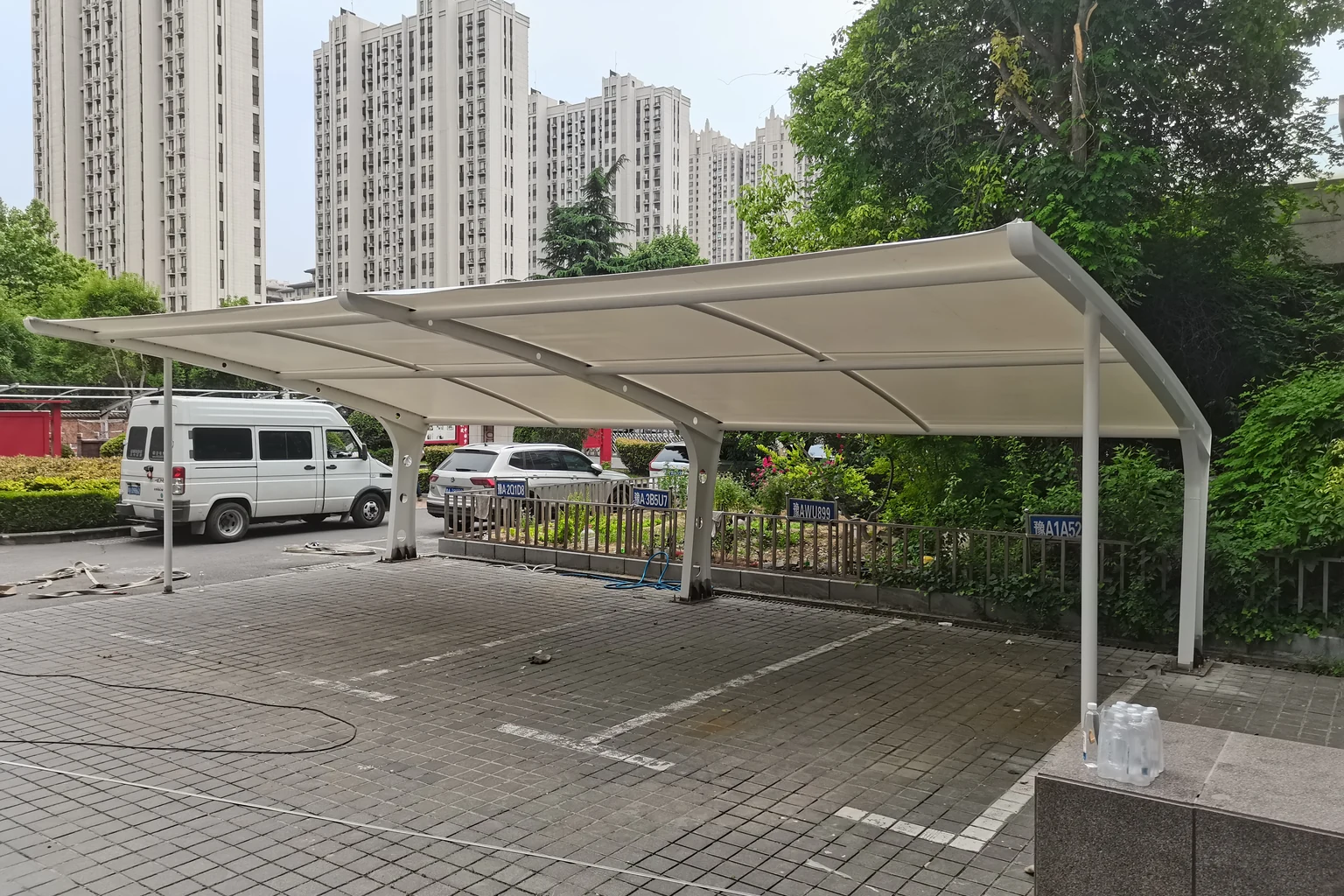
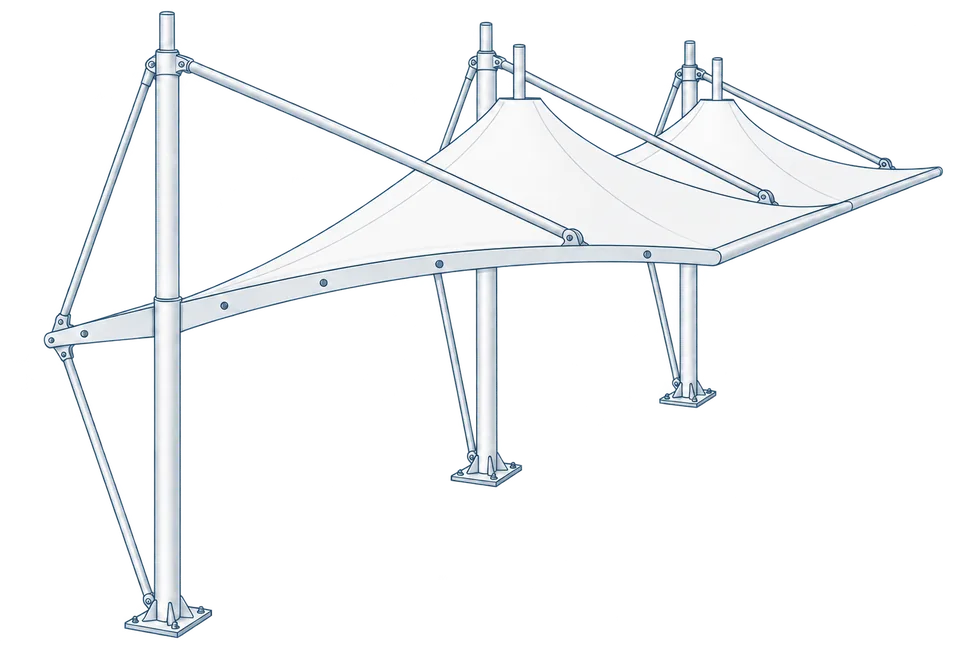
 Membrane carportsClassic membrane shelters→
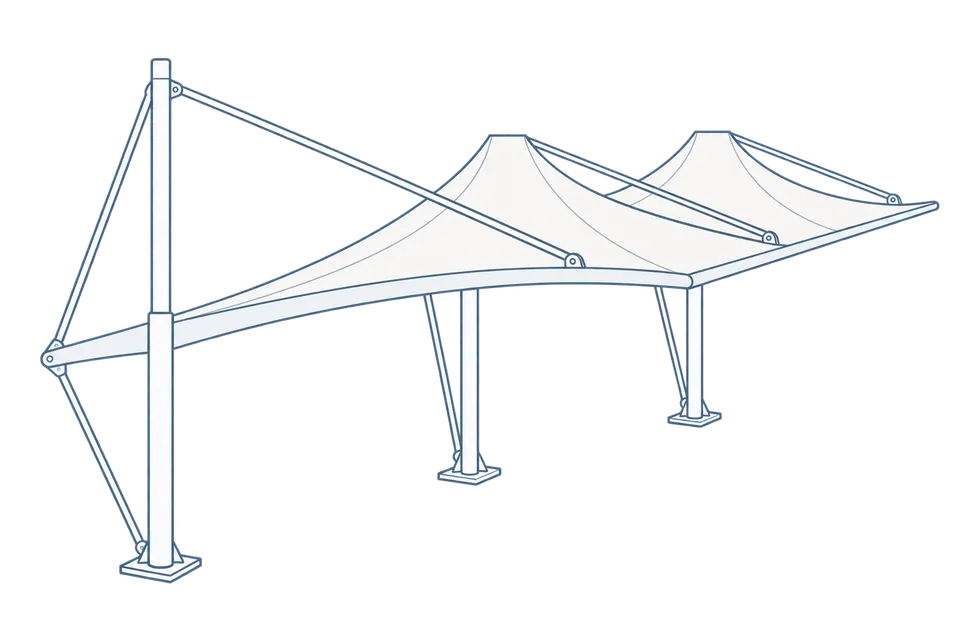 Solar carportsParking meets green energy→
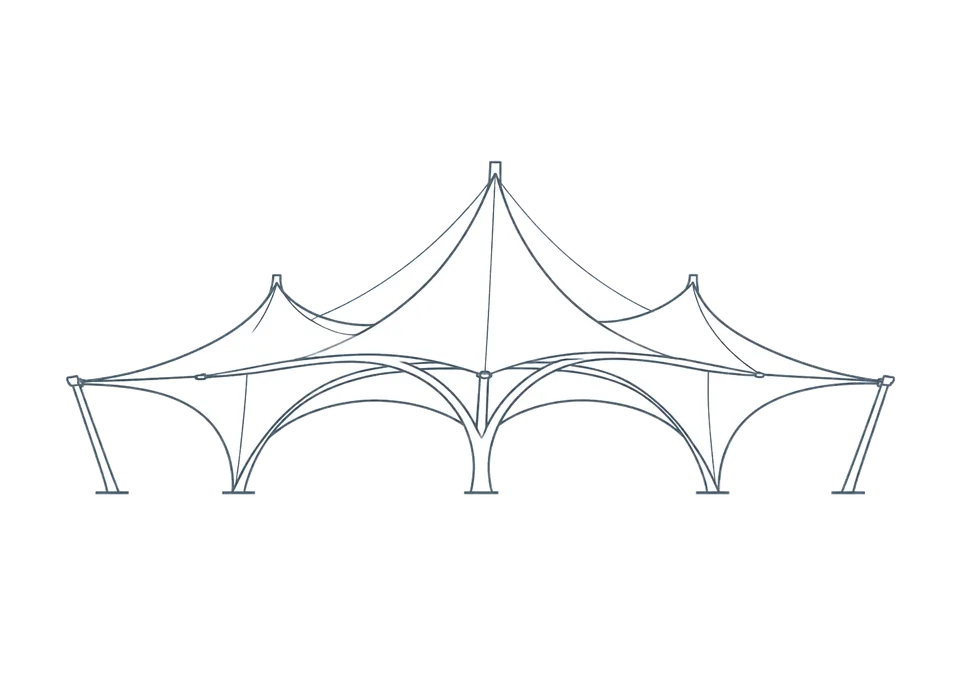 Landscape canopiesParks and leisure spaces→
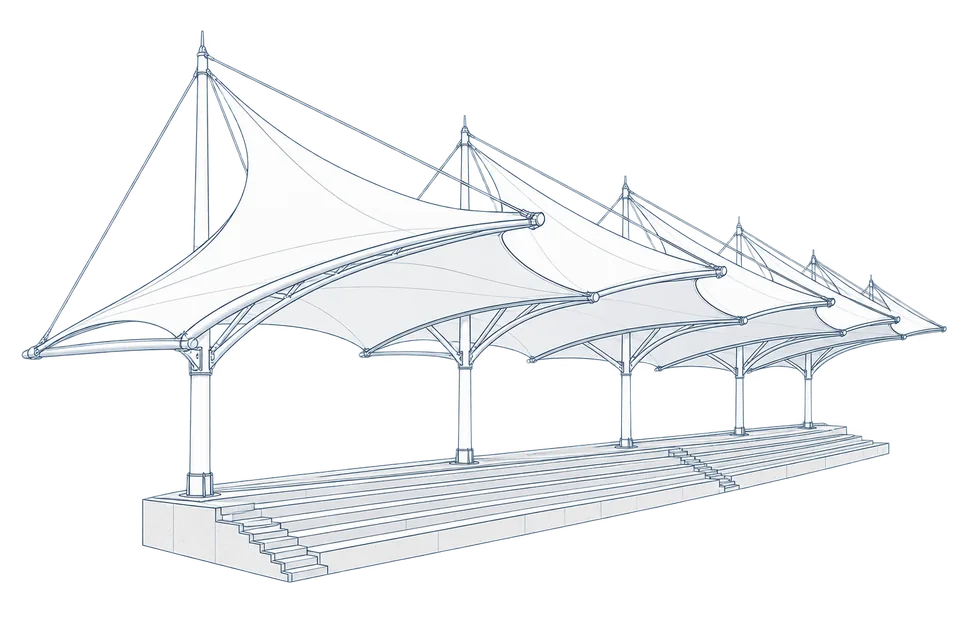 Grandstand canopiesSports venue shelters→
 Inflatable play cloudsFamily play areas→
 Wastewater coversEnvironmental infrastructure→
 Fuel station canopiesStation shelters→
 Entrance canopiesWalkways and entrances→
Process conditions before materials
Obtain media, temperature, cleaning and abnormal operating conditions from the process team for selection.

WASTEWATER COVER
Spaces & engineering
Define tank operation and equipment maintenance before choosing the cover, openings and collection interfaces.
PROJECT OVERVIEW
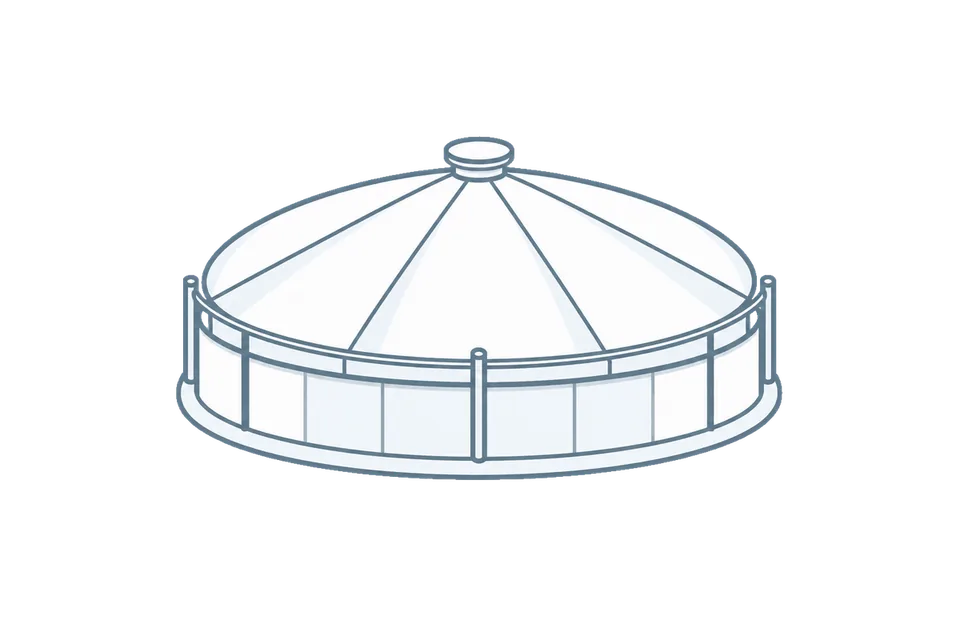
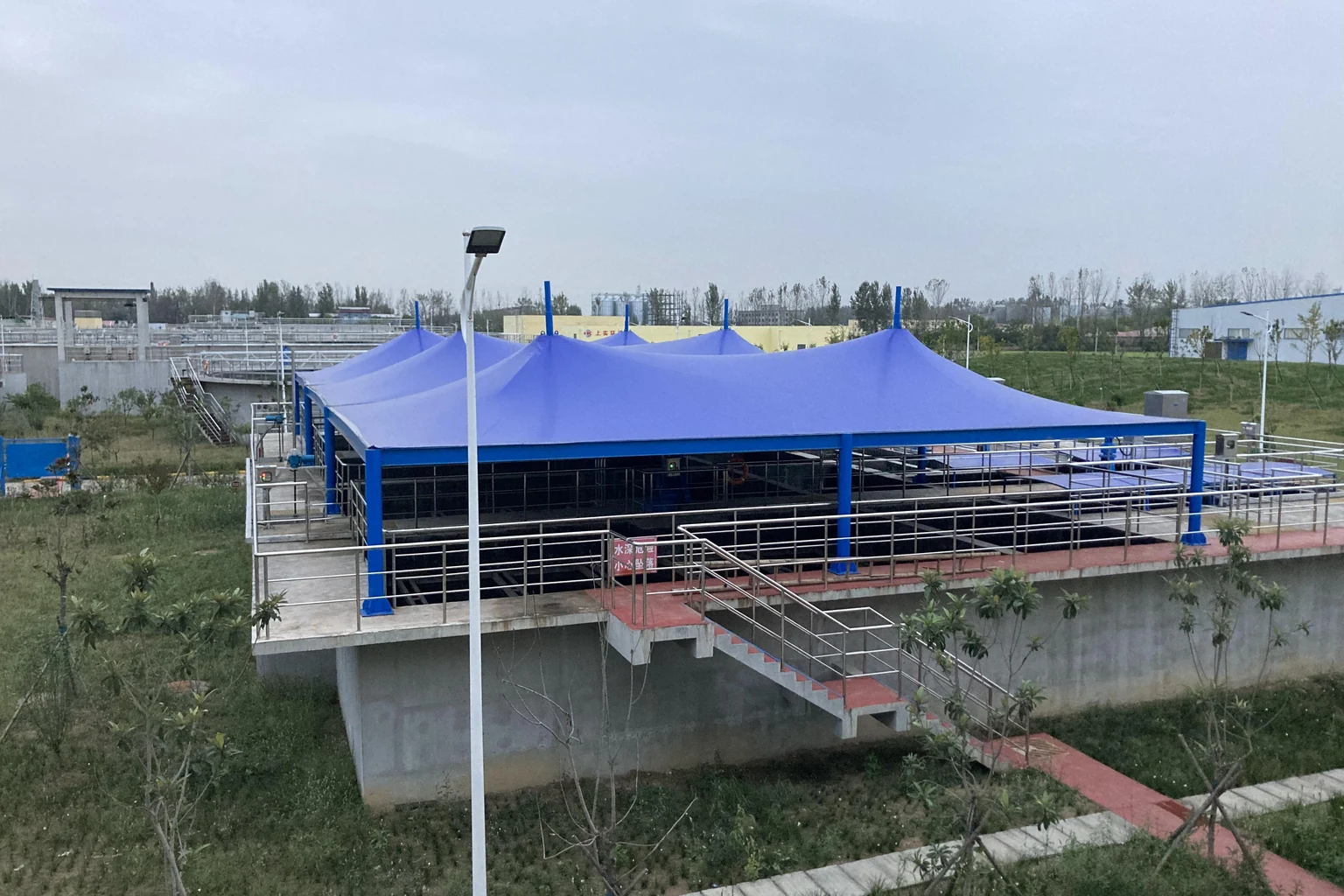
Tank covers may limit rain ingress, form a gas-collection boundary or support plant alterations. Suspended membranes are one option whose suitability depends on process conditions and maintenance. Qingsong discusses cover design, fabrication and installation; odour-treatment processes and results remain with the relevant system parties.
Obtain media, temperature, cleaning and abnormal operating conditions from the process team for selection.
Equipment lifting, sampling and observation determine openings; do not simply divide the tank into equal panels.
Design tank-edge seals, penetrations and frequently opened areas separately, then coordinate gas collection.
Open rain shelters and enclosed tank covers serve different purposes. Define perimeter closure, rainwater handling and gas-collection connections first.
For suspended membranes, drawings should show the membrane relative to upper supports, including connection inspection and local replacement access.
Verify whether walls and platforms can receive new components using records and site conditions; appearance alone cannot establish suitability.
Include pipework and the operating envelopes of mixers or scrapers in design. Management should confirm installation routes and shutdown arrangements early.
Cover handover checks panels, edges, openings, connections and records. Collection and treatment systems have their own inspection requirements.
A cover alone does not establish overall odour-control performance. Where procurement includes treatment results, define evaluation scope, operating conditions and responsible parties.
SCOPE & COORDINATION
Use the same scope for proposals, quotations and handover.
| Work item | Discussion and delivery | Conditions to confirm |
|---|---|---|
| Cover and supports | Form, fabrication and installation discussions | Tank-wall capacity and foundation scope |
| Membranes and connections | Materials, connections and sealing for process conditions | Compatibility evidence and product documents |
| Maintenance openings | Observation, sampling and equipment-removal positions | Operator maintenance requirements |
| Gas collection | Penetration and perimeter interfaces | Pipework, treatment equipment and performance responsibility |
PROJECT JOURNEY
Collect tank geometry, media, equipment and operating and maintenance arrangements.
Compare supports, membrane level, zones and openings.
Check connection schedules, equipment interfaces and access.
Confirm cover records, maintenance access and system responsibilities.
START YOUR PROJECT
Share the location and current requirement so we can review conditions and scope together.
QUESTIONS & ANSWERS
No. Compare specific options against media, supports, membrane connections and maintenance conditions.
The cover is one system component. Collection, treatment and operating conditions also affect results; define overall responsibility.
Site management and relevant specialists must assess operating coordination and working conditions. Tank photographs alone cannot establish the method.
Maintenance and operation still need access. Place openings around actual tasks and design connections that can be restored after use.
RELATED SOLUTIONS