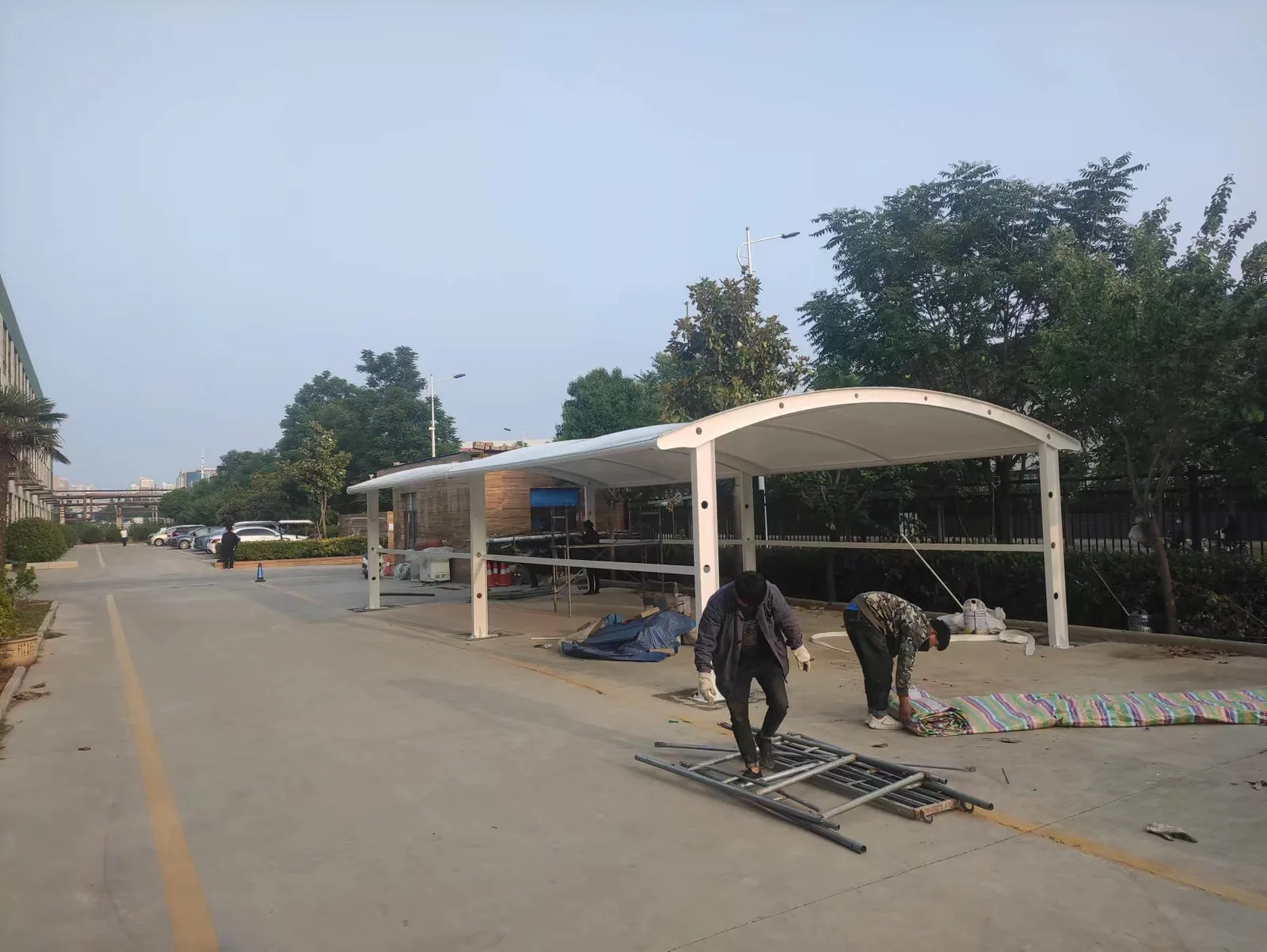
 Membrane carportsClassic membrane shelters→
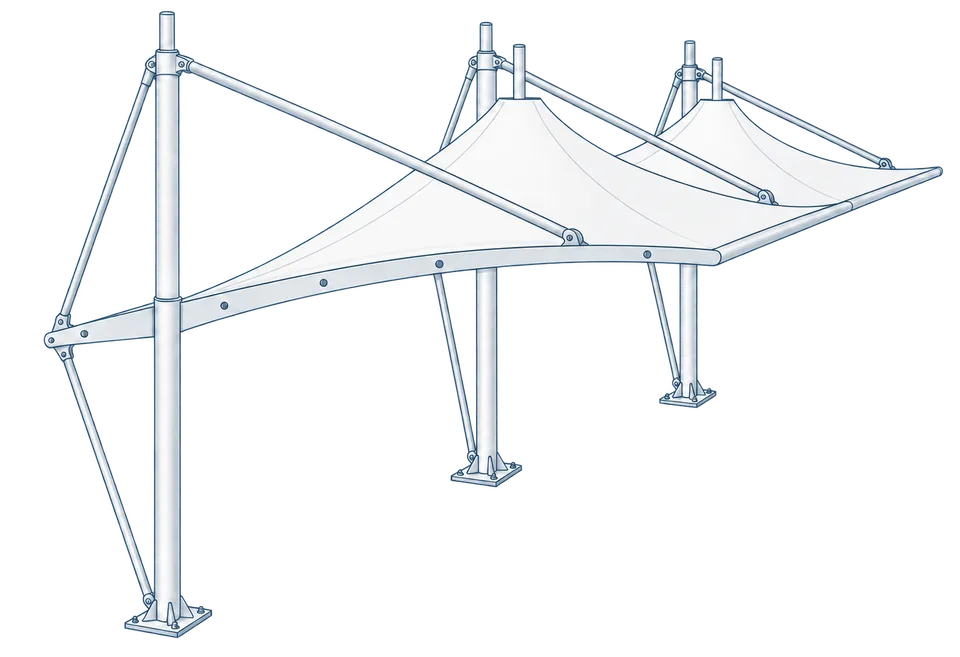
 Solar carportsParking meets green energy→
 Landscape canopiesParks and leisure spaces→
 Grandstand canopiesSports venue shelters→
 Inflatable play cloudsFamily play areas→
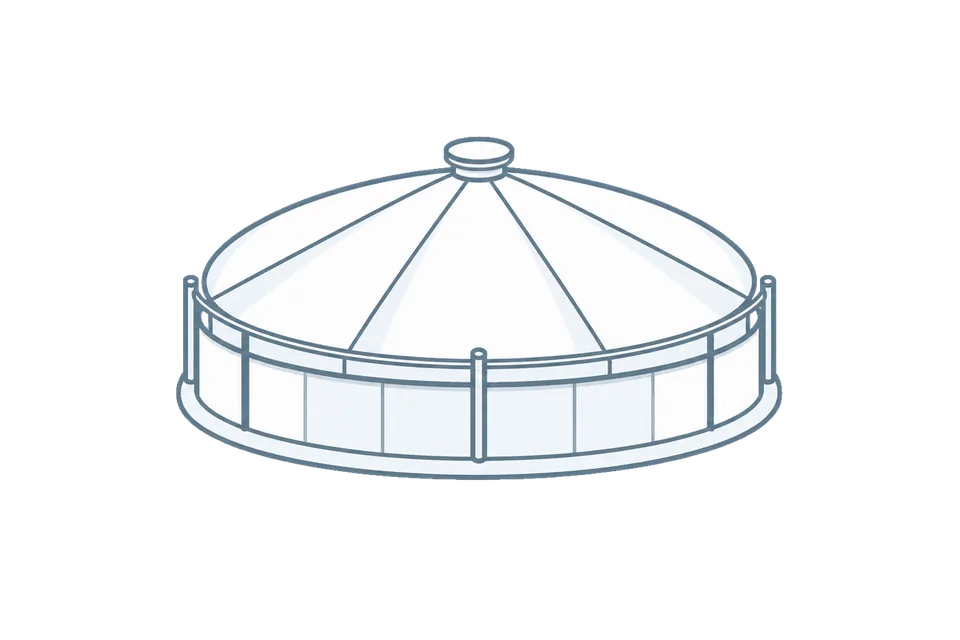 Wastewater coversEnvironmental infrastructure→
 Fuel station canopiesStation shelters→
 Entrance canopiesWalkways and entrances→
Tensile Membrane Structure Projects with Split Deliveries: How to Avoid Mistaking a Partial Shipment for Missing Components
On split-delivery projects, the first shipments usually contain only part of the components — not the full supply scope. If you check each delivery against the total packing list alone, components scheduled for later batches are easy to mistake for shortages. That can lead to unnecessary disputes, repeated follow-ups, or even site delays while everyone waits for parts that are already on their way. Before counting anything, get two documents in hand: the batch shipping plan and the packing list for the current shipment.
Why Split Deliveries Often Look Like Shortages
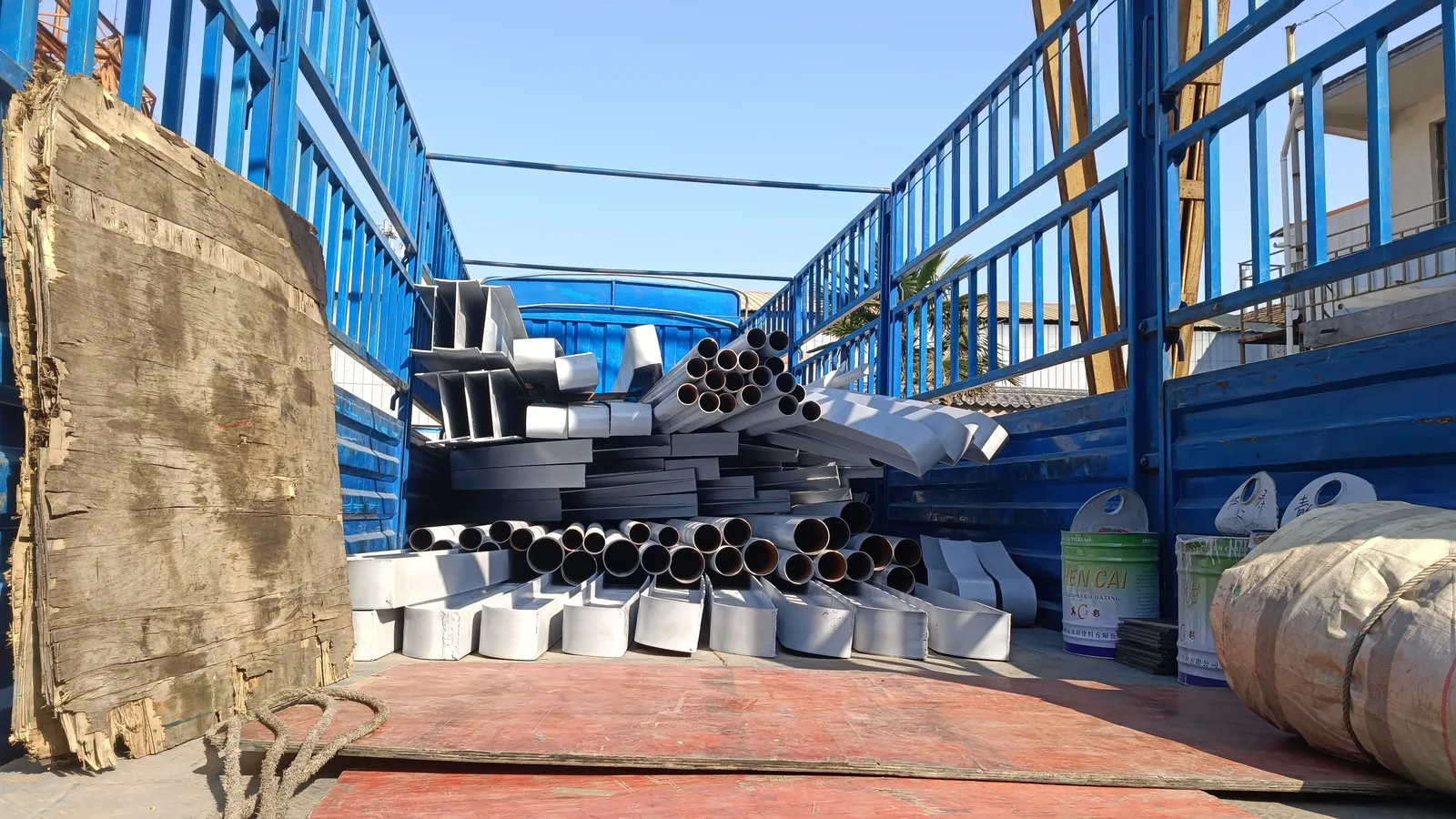
A tensile membrane structure project involves many components of very different sizes. Membrane panels, steelwork, and connecting parts are typically packed separately, and large columns and small fittings may travel in different shipments. Under a batch shipping plan, each delivery corresponds to a section of the plan — not the full component list. If the receiver does not know how the order was split and checks each truck against the master list, every unmatched item gets logged as missing — even when it is simply scheduled for the next batch.
Unfamiliar component numbering is the second common cause. Where components are individually numbered at the factory and matched one-to-one to the packing list, and delivered as finished items requiring no on-site fabrication, the numbering tells you exactly what belongs to which batch. If the receiver cannot read the numbering, there is no way to tell what should have arrived in this shipment versus a later one.
Before Shipment: Three Checks for the Buying Team
- Confirm that both parties are working from the same approved drawing revision, and identify which revision the packing list refers to.
- Obtain the batch shipping plan and confirm which component numbers fall in each batch, plus the expected delivery sequence.
- Agree on the component numbering rule in advance, so the person receiving goods knows how to read each number during the count.
Receiving: A Fixed Counting Procedure
Count against documents, not impressions:
- First check the current shipment's packing list against the batch shipping plan.
- Match components number by number — count large items (columns, beams) first, then connecting parts and small fittings.
- Inspect components and packaging on arrival; record any transport damage or coating damage on the spot.
- Log results per batch: expected versus received for this shipment. Keep the difference against the master list open until later batches arrive.
If You Suspect a Shortage
Do not classify it immediately. First, go back to the batch shipping plan and check which batch the component number belongs to — most "missing" items resolve at this step. If the component is not in any batch either, send the component number, the packing list page it appears on, and site photos to the supplier for verification.
For projects delivered directly from the factory to site, this remote reconciliation works the same way: documentation and component numbers drive the check. This matters most on sites requiring bolted connections with no hot work: where components arrive as finished, bolted assemblies, a single missing connector can hold up installation — so these projects should be checked item by item, never by sampling.
Who Confirms the Recheck Result
Give the review result to two people at once: the site manager, who knows the installation sequence and can judge whether the issue affects the start of work, and the procurement contact, who follows up with the supplier on replacement shipments and batch scheduling. Keep both parties' records in a single shared log so there are no parallel versions of the truth.
Put Warranty and Handover Responsibility in the Contract
Split deliveries invite disputes over "whose problem is this shipment." Agree in the contract, item by item, on warranty for membrane, steelwork, and other supply scope elements, and on handover responsibility per batch — no verbal promises. Archive arrival records and counting logs by batch and pass them to the installation and maintenance teams, so any later issue can be traced to a specific component and delivery.
These design responsibility and supply boundaries are matters to agree with your project engineer and the supplier before ordering.
Next Step
Share your project location, intended use, dimensions or drawings, and which design coordination, custom fabrication, and supply services you need. Tell us about your delivery and receiving arrangement so we can review the scope together — start via our contact page at /en/contact/.