 Membrane carportsClassic membrane shelters→
 Solar carportsParking meets green energy→
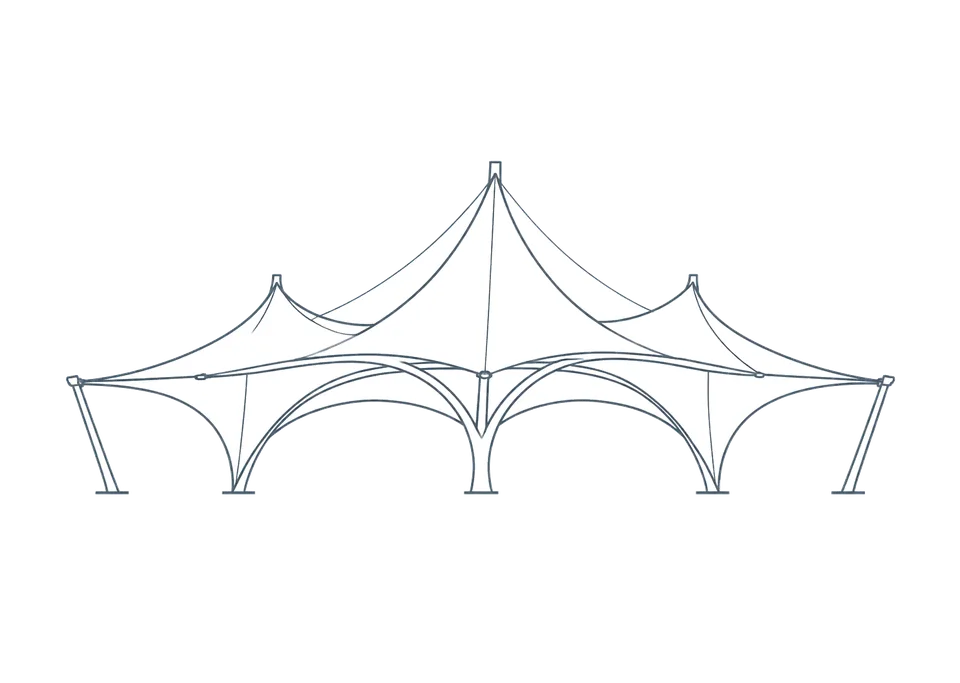 Landscape canopiesParks and leisure spaces→
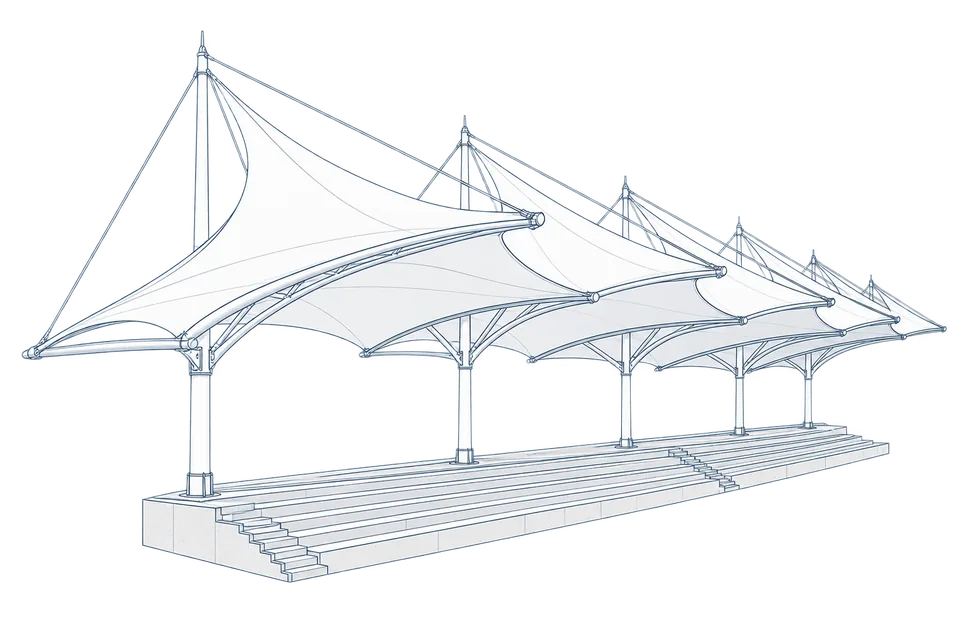 Grandstand canopiesSports venue shelters→
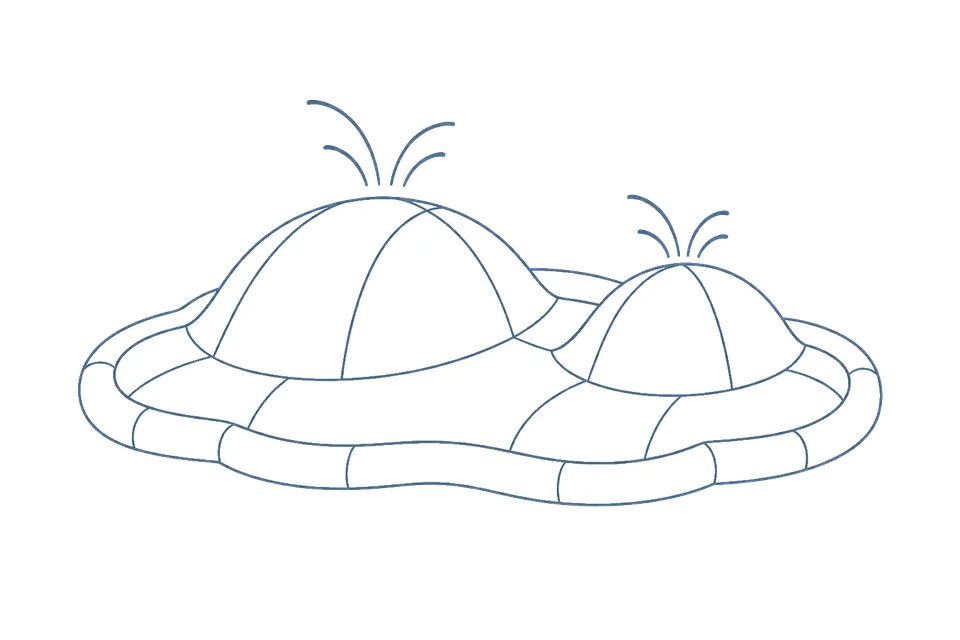 Inflatable play cloudsFamily play areas→
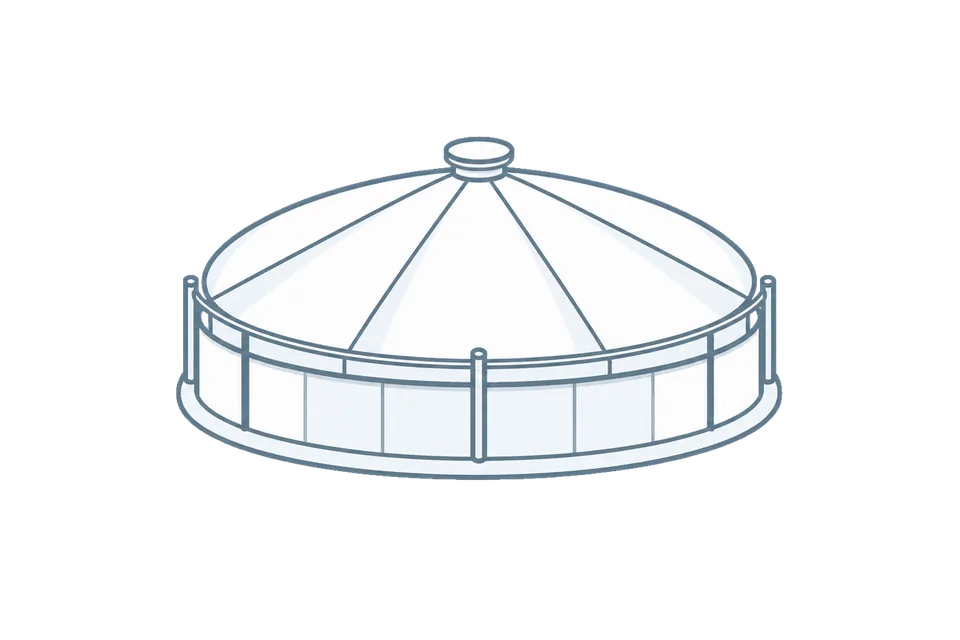 Wastewater coversEnvironmental infrastructure→
 Fuel station canopiesStation shelters→
 Entrance canopiesWalkways and entrances→
Membrane Warranty and Carport Construction Are Separate Matters: How to Confirm After-Sales Scope Item by Item
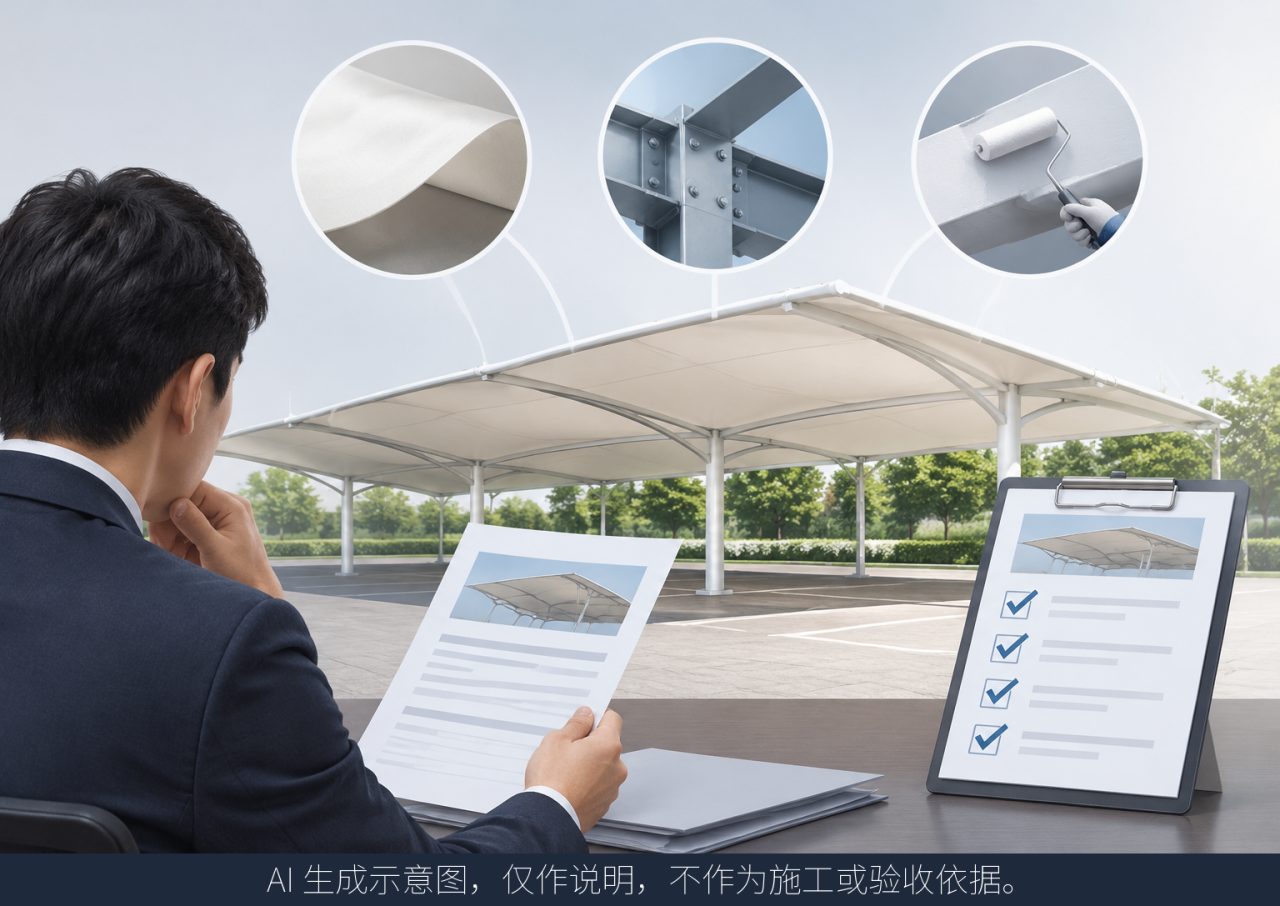
For a tensile membrane structure carport, the warranty is never one document covering everything. The membrane fabric may carry a 5-year manufacturer warranty, but that warranty covers the membrane material itself. Responsibility for the steel frame, anti-corrosion coating and installation work must be written into the contract as separate, itemised warranties. If you are reviewing the after-sales scope for a membrane canopy project, work through the checklist below in order.
1. What Does the 5-Year Warranty Actually Cover?
Under a standard configuration, a PVC membrane structure carport uses economical, practical PVC membrane material that meets the needs of most carport and bicycle shelter applications. This membrane fabric is procured from a membrane supplier, and it is the membrane manufacturer that issues the warranty — typically 5 years.
The key distinction: this 5-year warranty belongs to the membrane manufacturer and covers the membrane material itself. It is not a whole-structure warranty, and it is not a commitment by the contractor to the entire project. For everything beyond the membrane — primarily the steel structure — responsibility sits with the party providing the construction services. These are two different responsible parties, and the warranty periods may differ as well.
If your project requires higher self-cleaning performance or longer service life, PVC can be upgraded to PVDF or PTFE membrane. The warranty terms after any upgrade are subject to what is agreed in the contract. For applications with elevated fire-safety requirements — such as a carport serving electric-vehicle charging — a B1 fire-retardant grade membrane can be specified, to be determined at the design stage according to local fire regulations.
2. Who Is Responsible for the Steel Structure and Other Components?
The steel frame, anti-corrosion treatment and on-site installation are the responsibility of the party contracted to perform the construction services. The correct approach is itemised warranty handling: one line item for the membrane, one for the steel structure, each with its own warranty scope and period — all written into the contract, with no verbal-only commitments.
In practice this means: if the membrane cracks or fades, the claim follows the membrane manufacturer's warranty route. If the frame corrodes, or a weld or connection fails, the claim follows the construction service contract route. The periods, scope and contact persons for these two routes may all differ, so review them separately.
3. How to Write Warranty Start Dates and Scope into the Contract
We recommend the contract state three points for each item:
- Responsible party for each warranty item: membrane fabric is covered by the membrane manufacturer's warranty; steel structure and installation are covered by the construction service provider. Do not lump them into a vague 「overall warranty」.
- Start date: typically from acceptance/commissioning, subject to what both parties agree in the contract.
- Warranty scope: for each item, what is covered and what is excluded. For example, whether damage caused by faulty installation is distinguished from membrane material defects should be stated clearly.
Our practice is to write itemised warranties for the membrane, steel structure and other components fully into the contract. When comparing suppliers, buyers can also use 「are warranties itemised in the contract?」 as a selection criterion — after-sales terms that exist only as verbal promises carry higher risk.
4. Acceptance Checklist: Verify Each Item Before Signing
At acceptance, check the following against the contract:
- Membrane: brand or manufacturer information, membrane type (PVC or upgraded PVDF/PTFE), fire-retardant grade consistent with what was agreed, and whether the membrane manufacturer's warranty certificate is delivered with the acceptance documents.
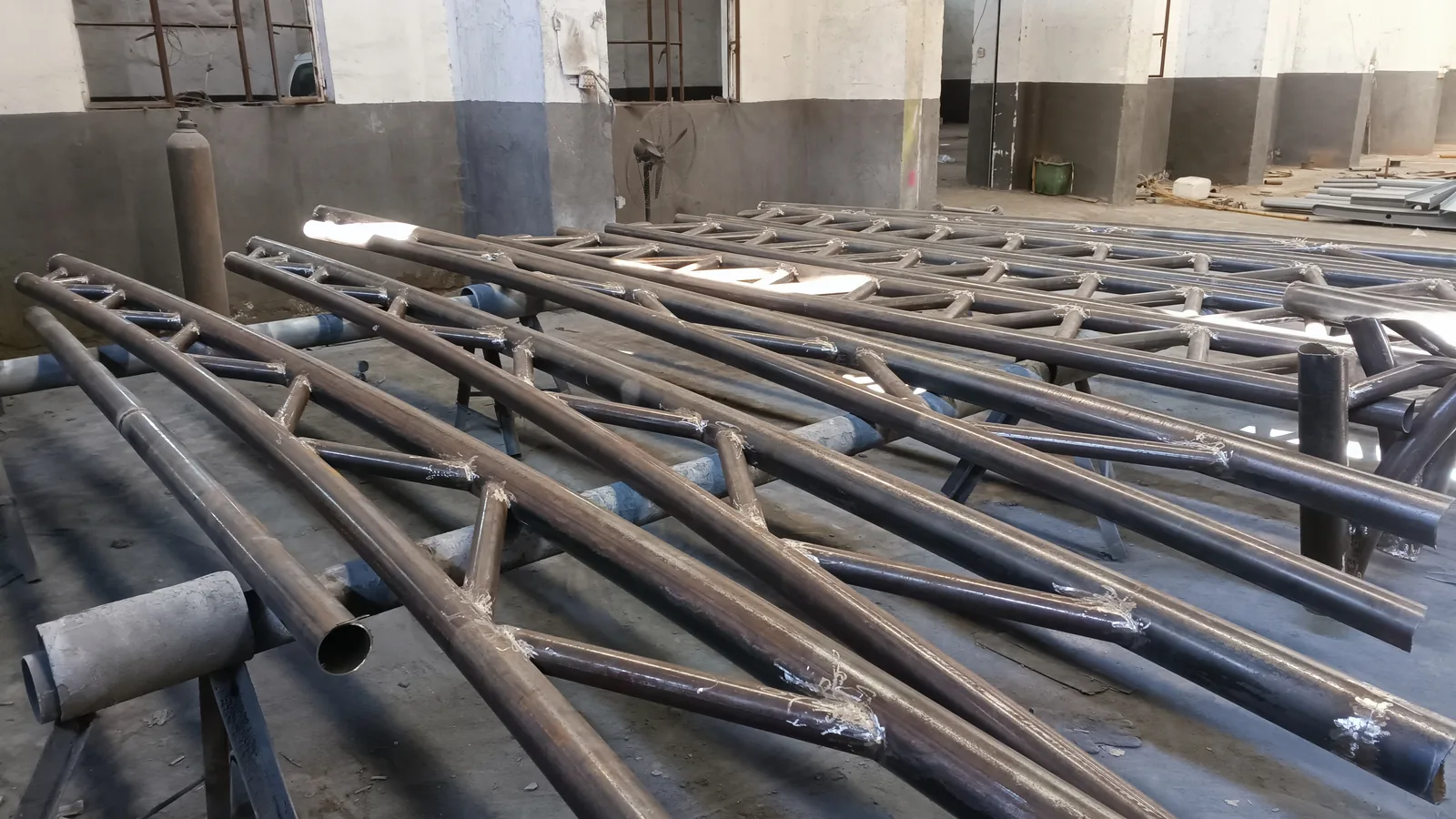
- Steel structure: member specifications and anti-corrosion treatment match the contract.
- Installation: canopy forming, membrane tensioning and drainage are all in normal condition.
- Contract terms: each itemised warranty period, start date, and the warranty contact person and contact details are fully filled in.
If any item does not match the contract, note the discrepancy on the acceptance record before signing, to avoid unclear liability later.
To discuss warranty arrangements for a specific project, please prepare the intended use, dimensions or drawings, and the scope of services you wish to commission — design coordination, custom fabrication or supply scope. Share your project details and requirements through our contact page, and we can review the scope with you item by item.