 Membrane carportsClassic membrane shelters→
 Solar carportsParking meets green energy→
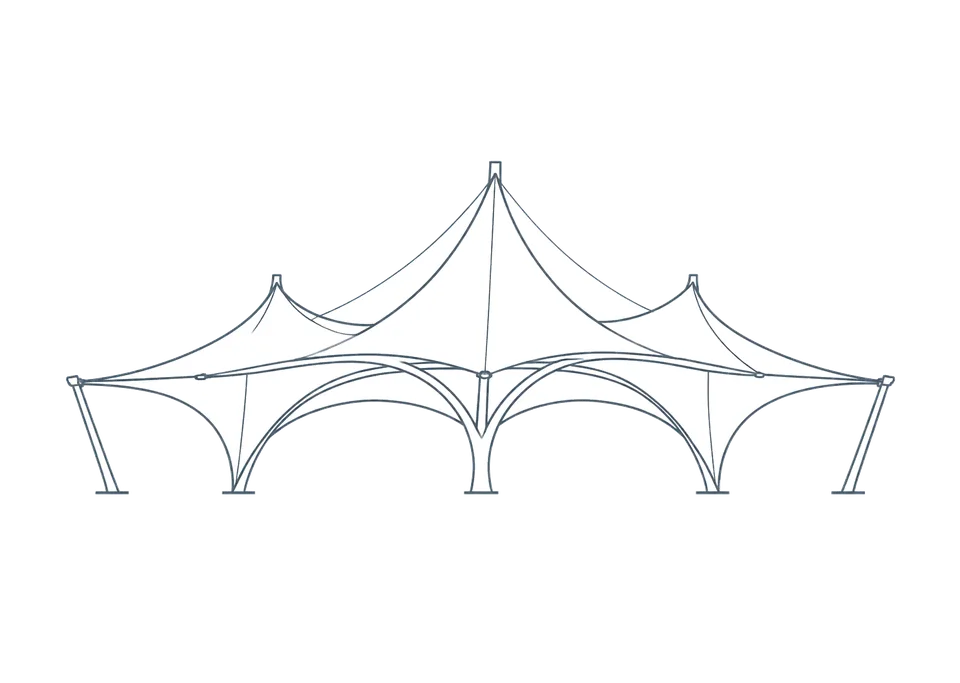 Landscape canopiesParks and leisure spaces→
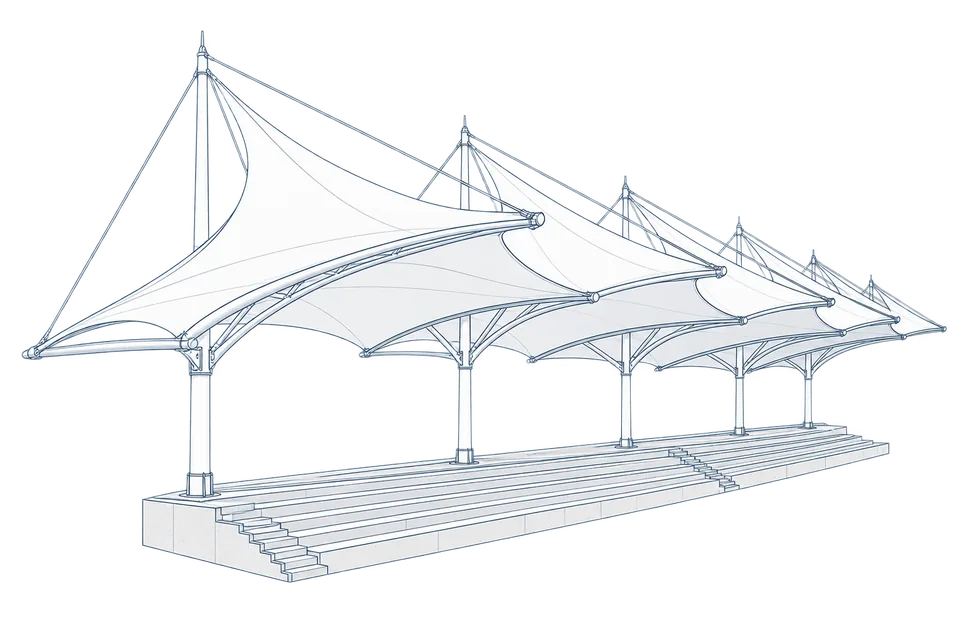 Grandstand canopiesSports venue shelters→
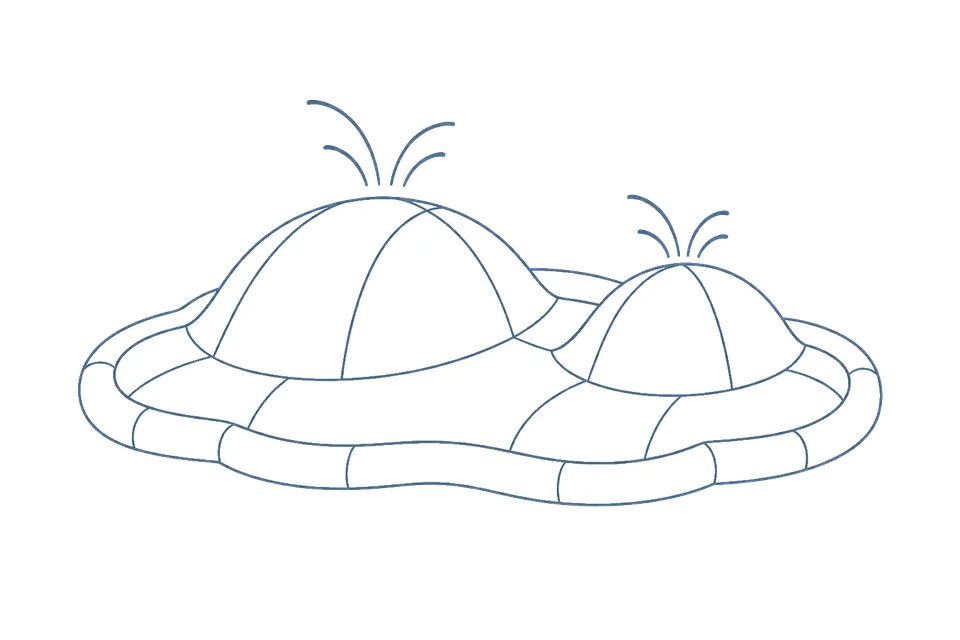 Inflatable play cloudsFamily play areas→
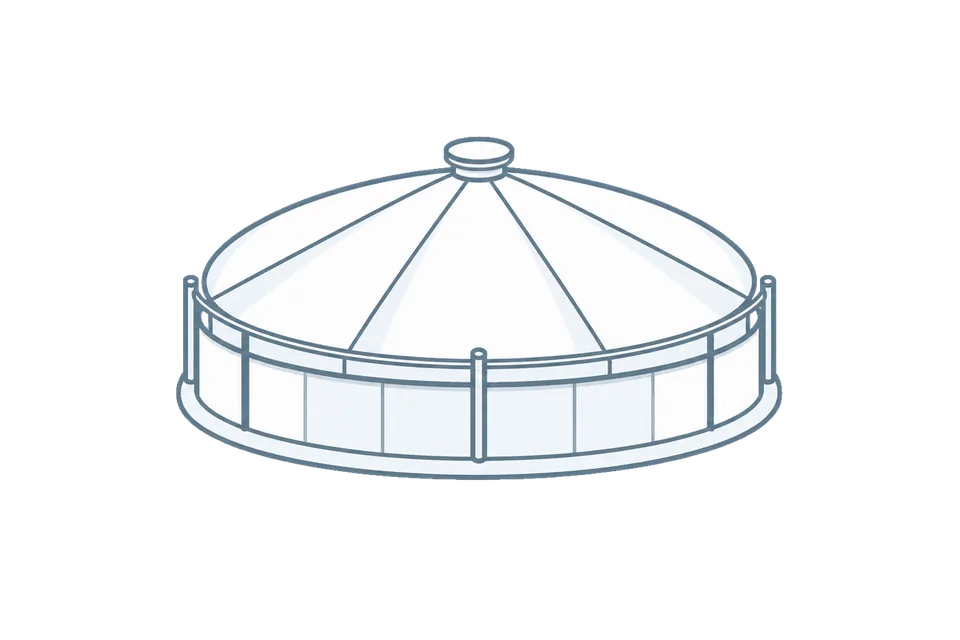 Wastewater coversEnvironmental infrastructure→
 Fuel station canopiesStation shelters→
 Entrance canopiesWalkways and entrances→
Out-of-Province Tensile Membrane Structure Carport Projects: How to Confirm Delivery to Site, Installation Collaboration and Warranty Item by Item
For a tensile membrane structure carport project procured outside the supplier's home province, the core questions to confirm are three: how components reach the site, who installs them locally, and who is responsible when problems arise. Qingsong Membrane Structures' stated approach is factory prefabrication of steel and membrane components, direct logistics delivery to the project location, installation by local teams from its national partner installer network with its technicians overseeing key stages, and a warranty applied uniformly nationwide. This article sets out what a purchasing team should confirm item by item — the same logic applies when reviewing any cross-regional supply scope.
1. How Components Are Delivered to Site
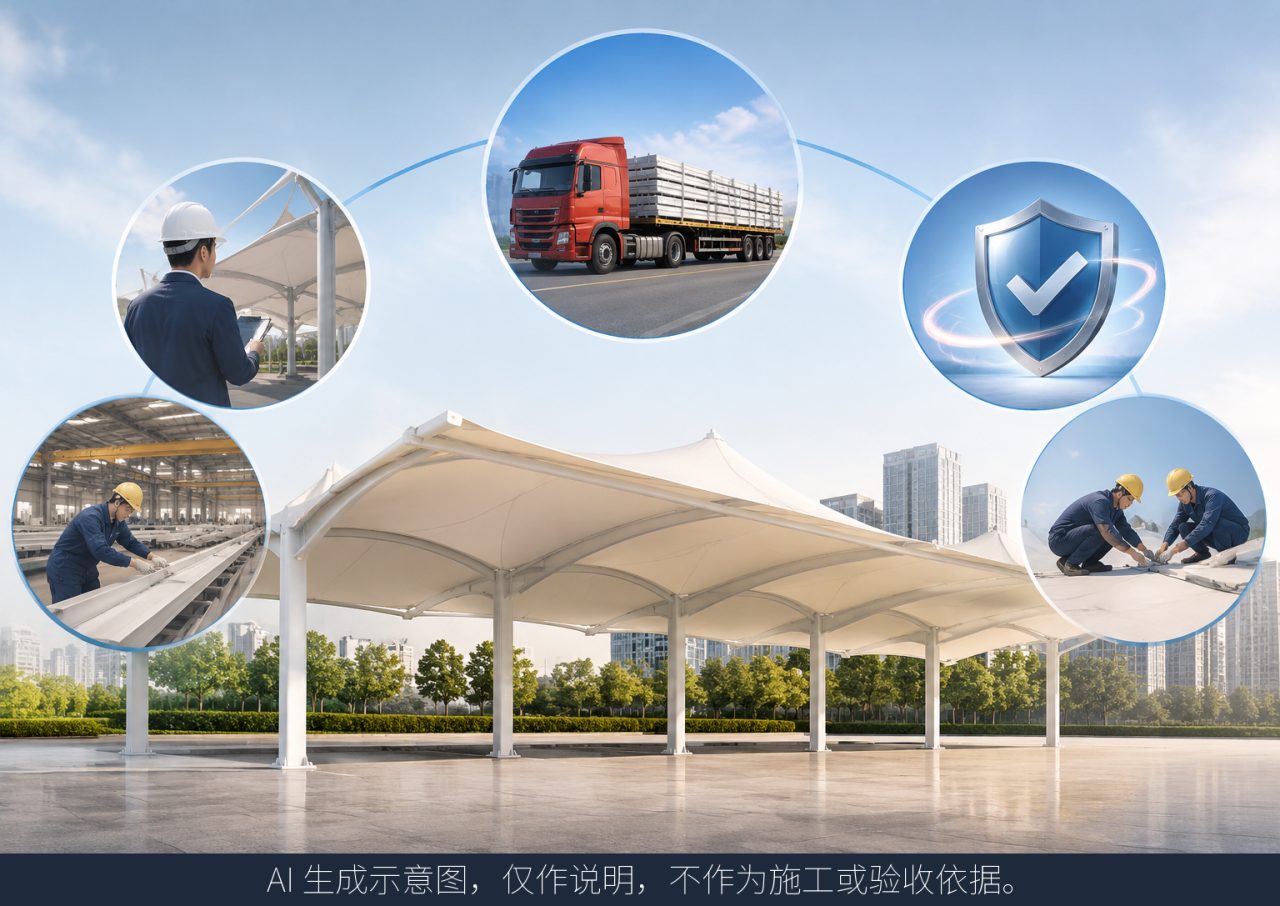
For an out-of-province project, the supplier does not rely on a local fabricator. Steel structures and membrane panels are prefabricated at the company's factory in Henan and shipped directly to the project location by logistics. What the buyer should confirm with the supplier is: whether delivery batches match the site's lifting and storage conditions, and how arrival times align with the installation team's mobilization. Put both points in writing in the contract to avoid components arriving with no one to unload them and nowhere to store them.
2. Who Carries Out Local Installation
Projects within Henan are covered by the company's own provincial service network; out-of-province projects are handled through its national partner installer network, with long-term local installation teams working to the company's process standards, including projects in county-level locations. When confirming, ask the supplier three things: where the installation team is based, whether it is a long-term partner, and who on the supplier's side is the contact for site progress. Do not discover after signing that installation was assigned to an ad-hoc crew.
3. How Off-Site Installation Quality Is Controlled
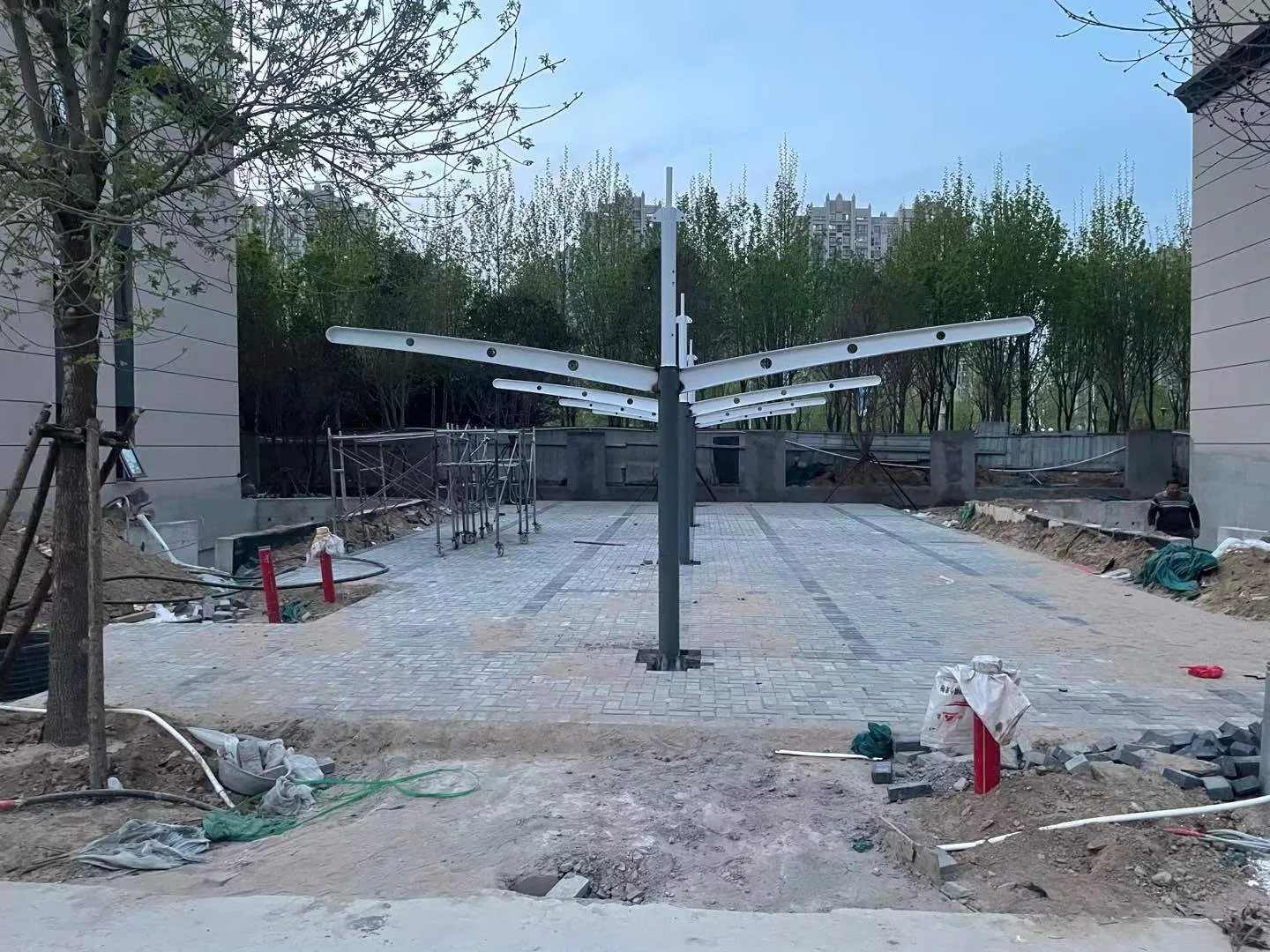
The main risk in remote projects is a supplier that disengages after shipping. The stated safeguards are threefold. First, components are mainly prefabricated in the factory; whether any on-site processing or adjustment remains should be confirmed in advance in the contract, reducing dependence on local site conditions. Second, partner installation teams work to a unified process standard. Third, the supplier's technicians attend key stages on site — including membrane tensioning and node fixing, the steps that are difficult to rework if they go wrong. Buyers should confirm in the contract which items fall within key-stage acceptance and how many times technicians will attend; written terms are more reliable than verbal assurances.
4. Is the Warranty Applied Uniformly Across Provinces
The warranty does not distinguish between in-province and out-of-province projects — it is applied uniformly nationwide. Sub-item warranties for membrane panels and steel structures should be written into the contract, not left as verbal promises. For cross-regional projects, after-sales response involves greater distances, which makes written terms even more important: which component carries how many years of warranty, who to contact, and what the response method is — confirm each item in the contract clauses.
5. What Buyers Can Verify Before Signing
The company regularly welcomes client factory visits and tours of completed projects. If an out-of-province buyer has doubts about fabrication capability or project quality, visiting the factory and a completed carport site before signing resolves concerns more effectively than repeated price comparisons. Before making contact, prepare the project's intended use, dimensions or drawings, and the service scope you wish to commission (supply only, or supply with installation), so the supplier can propose a matching collaboration plan.
A Buyer's Checklist for Cross-Regional Procurement
- Delivery: batch plan, site unloading, storage space and alignment with installer mobilization — stated in the contract.
- Installation: the local team's identity, partnership history, and the supplier-side progress contact.
- Quality control: which stages count as key-stage acceptance, and technician attendance commitments in writing.
- Warranty: sub-item warranty periods, contact channel and response method written into contract clauses.
- Verification: a pre-contract factory visit and completed-project tour where distance allows.
Share your project location, intended use, dimensions and available drawings, and tell us which design coordination, custom fabrication and supply scope services you need so we can review the project with you: Contact Qingsong Membrane Structures.