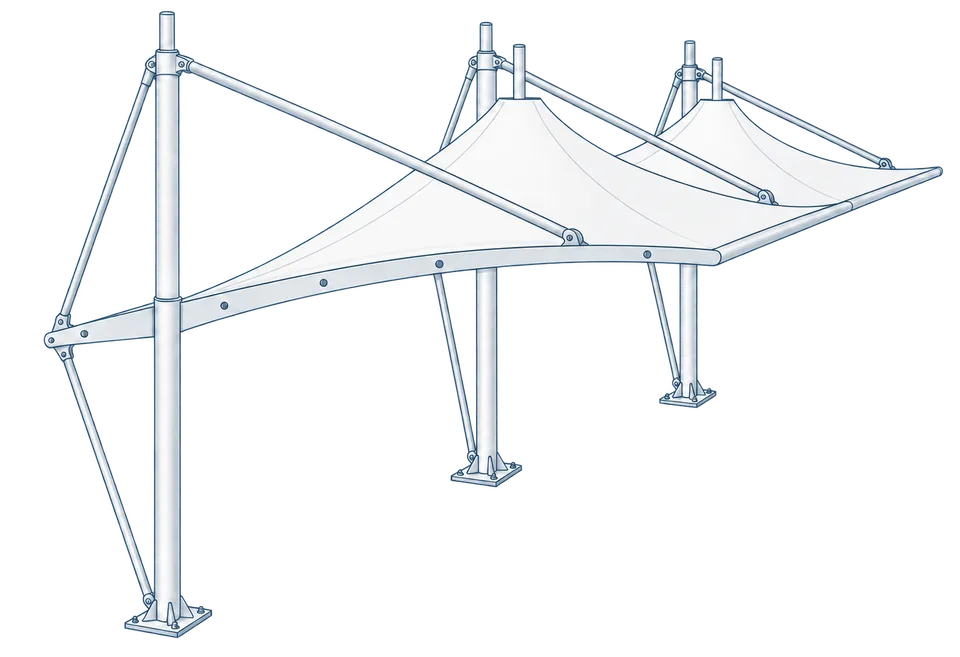
 Membrane carportsClassic membrane shelters→
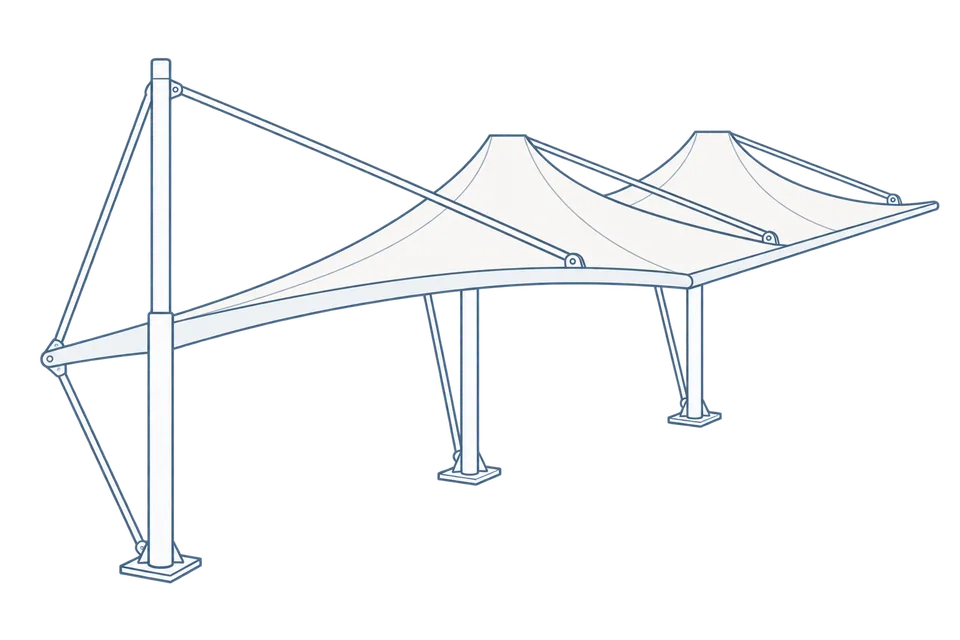 Solar carportsParking meets green energy→
 Landscape canopiesParks and leisure spaces→
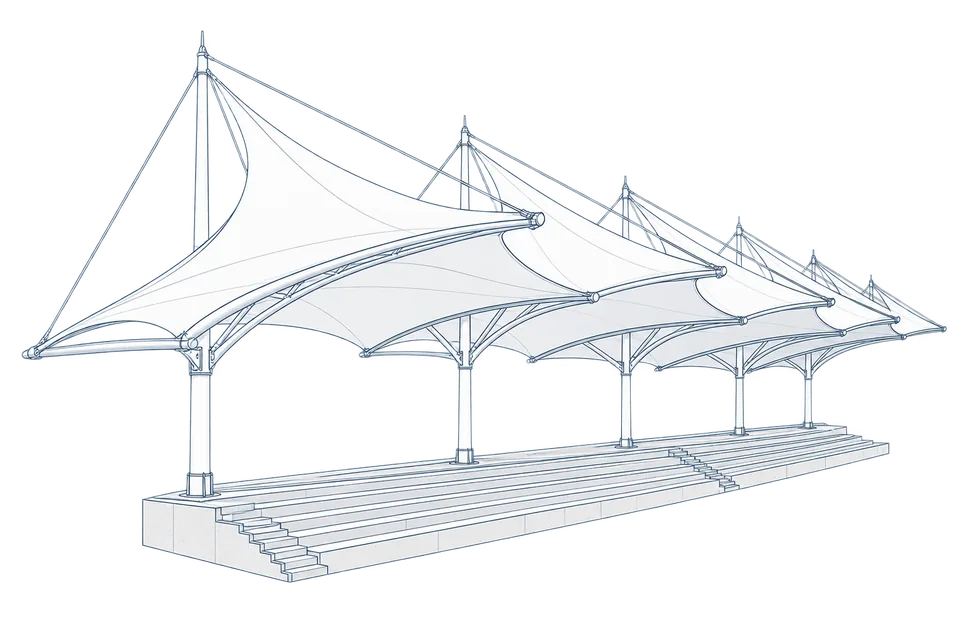 Grandstand canopiesSports venue shelters→
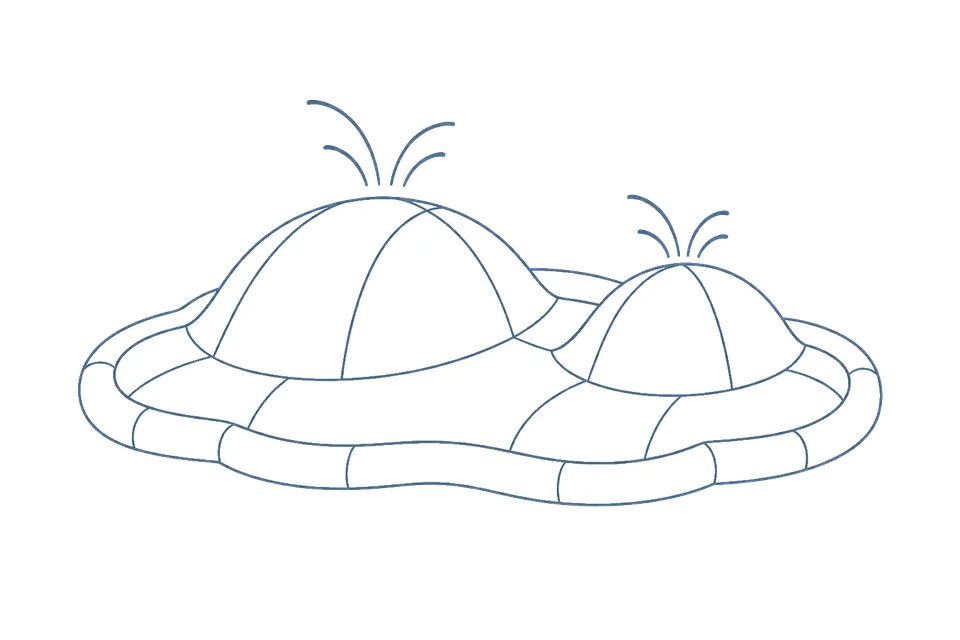 Inflatable play cloudsFamily play areas→
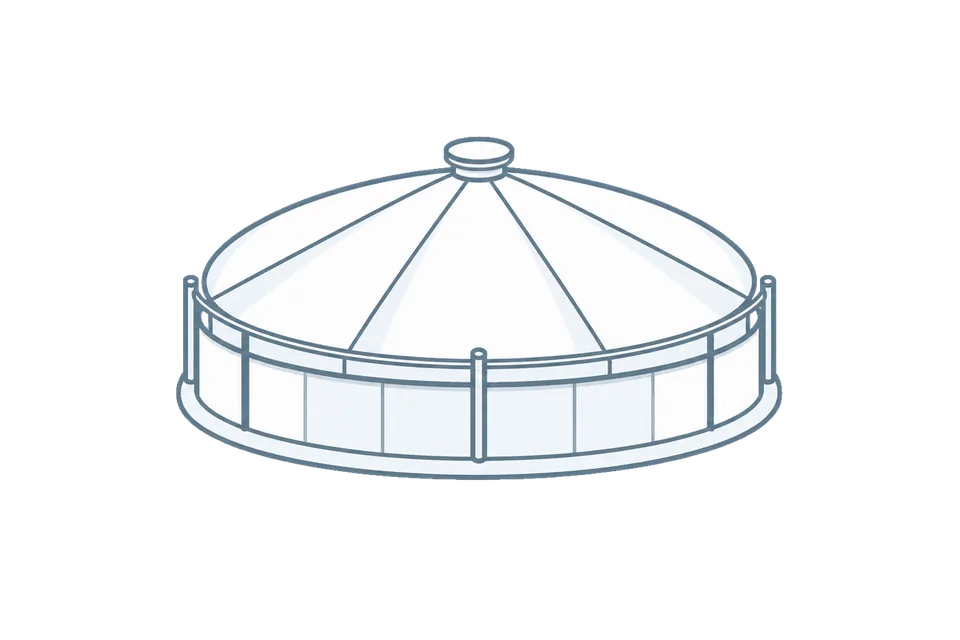 Wastewater coversEnvironmental infrastructure→
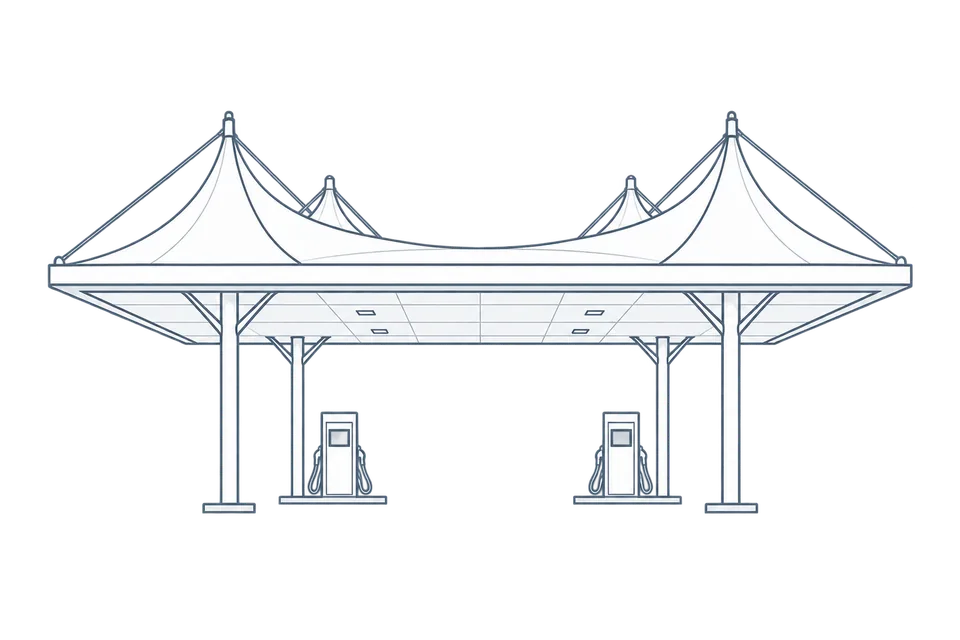 Fuel station canopiesStation shelters→
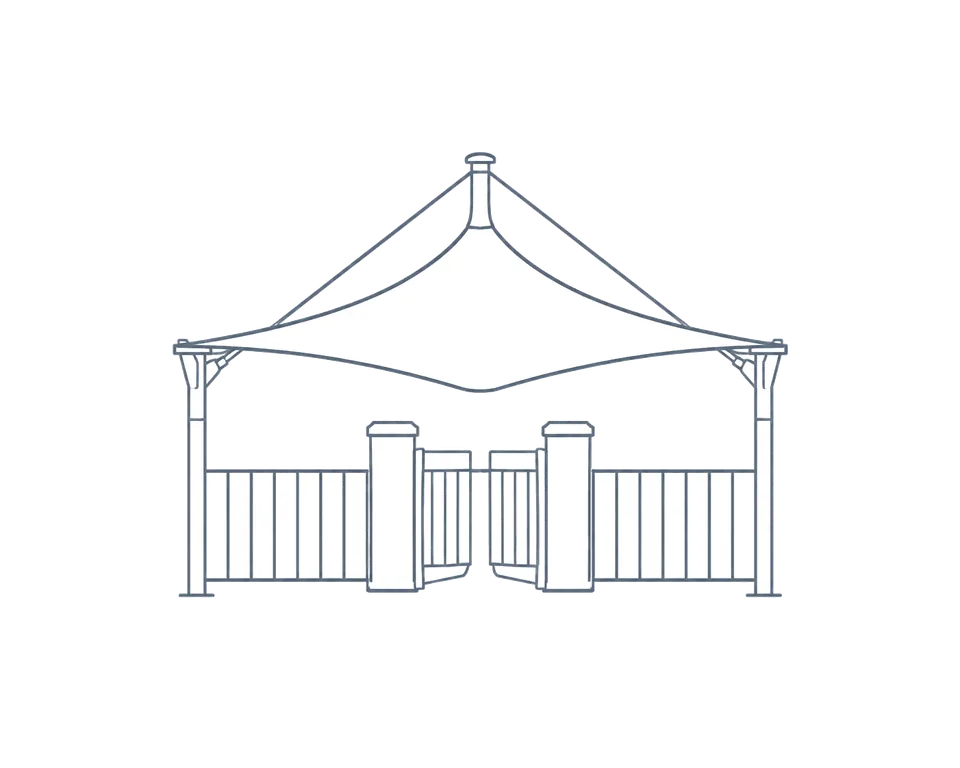 Entrance canopiesWalkways and entrances→
Select around the intended use
Explain shade, daylight, enclosure or tank conditions before screening products against design requirements.

MEMBRANE SELECTION
Procurement & delivery
Compare specific products, operating conditions and supporting documents rather than material names alone.
PROJECT OVERVIEW
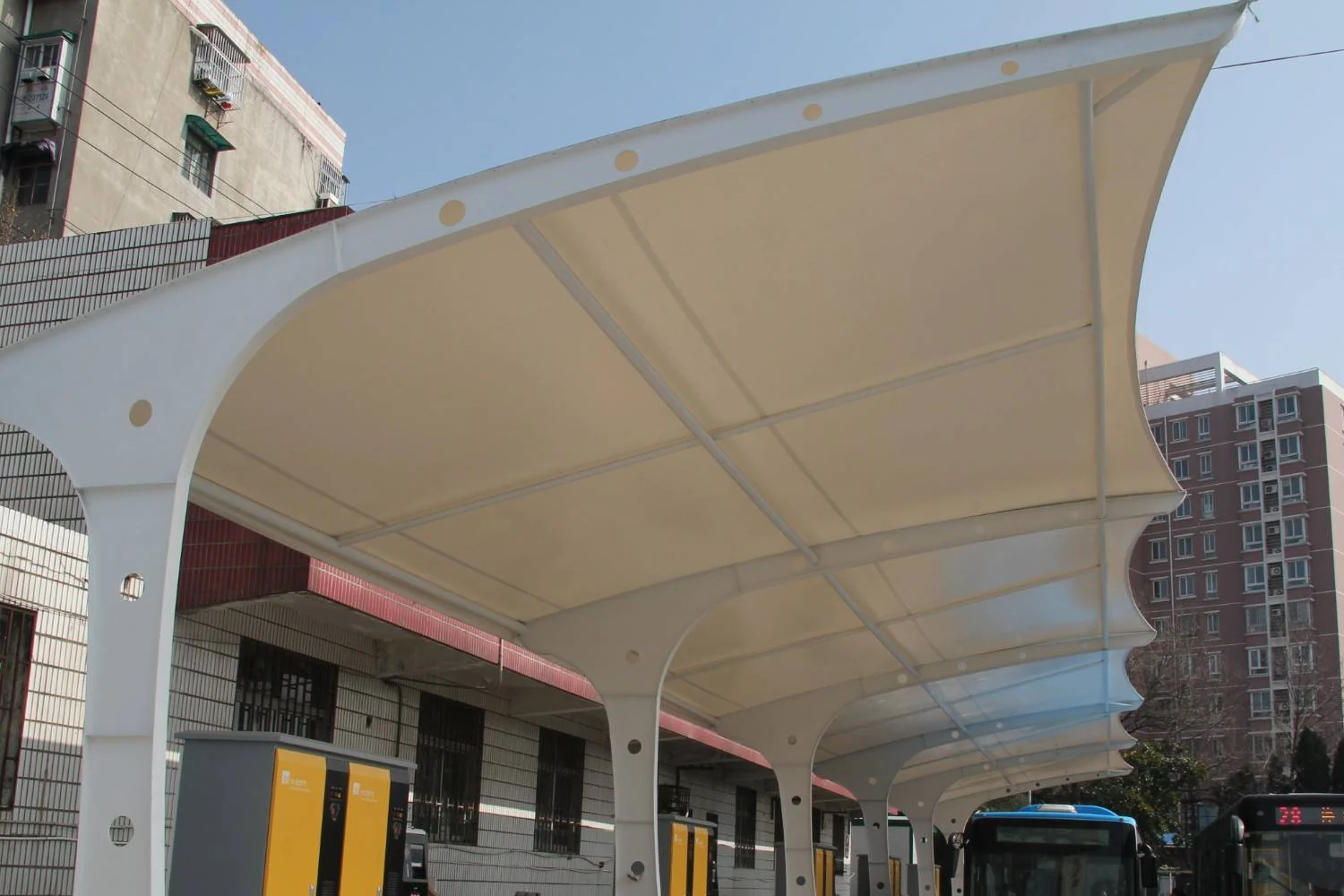
Materials affect structural detailing, appearance, daylight and maintenance. For fabric selection, start with weight (g/m²), then check the base cloth, coating, tensile strength and intended use; thickness is supplementary. Qingsong discusses material options for carports, landscape roofs, grandstands and tank covers. This page translates project goals into a procurement checklist for suppliers.
Explain shade, daylight, enclosure or tank conditions before screening products against design requirements.
Distinguish base fabric, coating and finish; one coating name is not a complete specification.
Use samples for colour and feel and model-specific documents for performance and suitability.
List environment, structural performance, project fire requirements and appearance for designer and supplier review.
PVC, PVDF, PTFE and ETFE do not all describe the same layer or product category. State complete product names, manufacturers and models in procurement documents.
Fabric membranes and ETFE films differ in composition, connections and system requirements. Single-layer film and cushion systems also need separate discussion.
Recheck cutting, fabrication, connections and maintenance when changing materials rather than substituting a product into unchanged details.
Compare available colours, batches, fabrication compatibility and delivery, recording approved physical samples.
Evidence must match the supplied model and application. Retain cleaning instructions, patching conditions and maintenance documents with handover records.
SCOPE & COORDINATION
Use the same scope for proposals, quotations and handover.
| Work item | Discussion and delivery | Conditions to confirm |
|---|---|---|
| Use requirements | Shade, daylight and environmental goals | Design criteria and project-specific needs |
| Product documents | Manufacturer, model and composition | Report scope and consistency with supply |
| Fabrication and connections | Cutting, seams and connection conditions | Methods confirmed by designers and fabricators |
| Maintenance documents | Cleaning, repair and care requirements | Confirm cleaning and maintenance records at handover |
PROJECT JOURNEY
Provide application, appearance and maintenance needs.
Review composition and records against design requirements.
Align models, supply, fabrication and delivery conditions.
Keep sample approval, documents and maintenance information.
START YOUR PROJECT
Share the location and current requirement so we can review conditions and scope together.
QUESTIONS & ANSWERS
No. The names may refer to different composition layers. Compare specific products, composition, performance evidence and suitability.
Start with fabric weight (g/m²), then check base cloth, coating, tensile strength and fire reports. Thickness is supplementary. Our regular fabric range starts at 1050 g/m².
Reports apply to particular products and tests. Also check the actual project's design and use requirements.
Our regular fabric range starts at 1050 g/m². Confirm the selected model against structural loads, exposure, finish and product test documents.
RELATED SOLUTIONS