 Membrane carportsClassic membrane shelters→
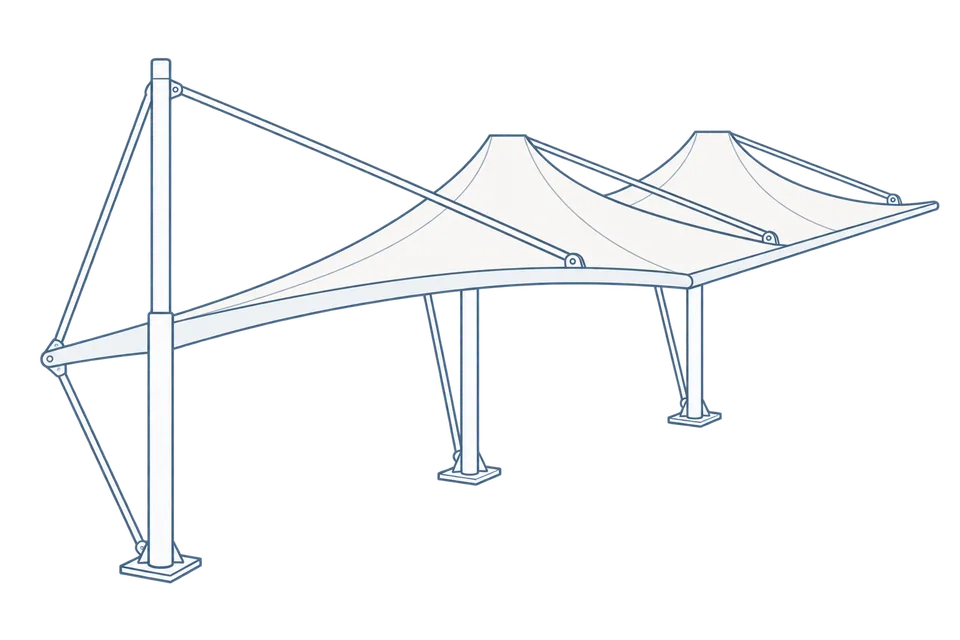 Solar carportsParking meets green energy→
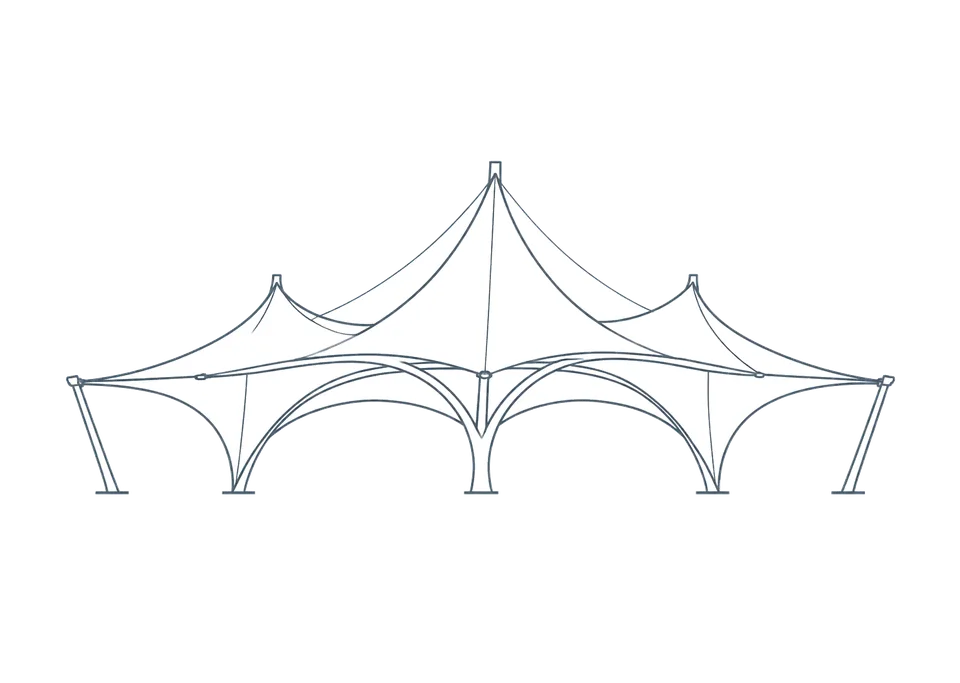 Landscape canopiesParks and leisure spaces→
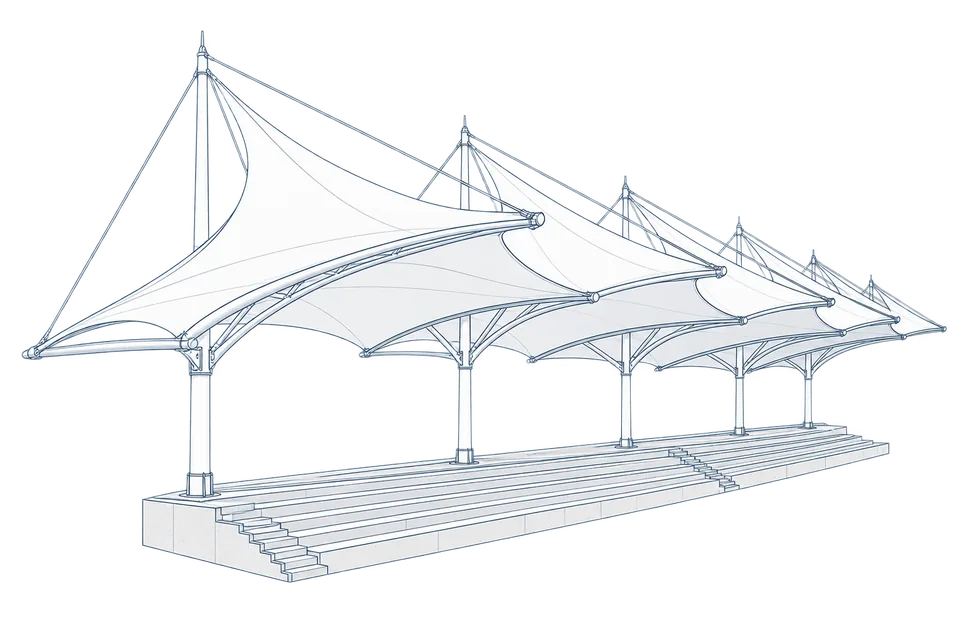 Grandstand canopiesSports venue shelters→
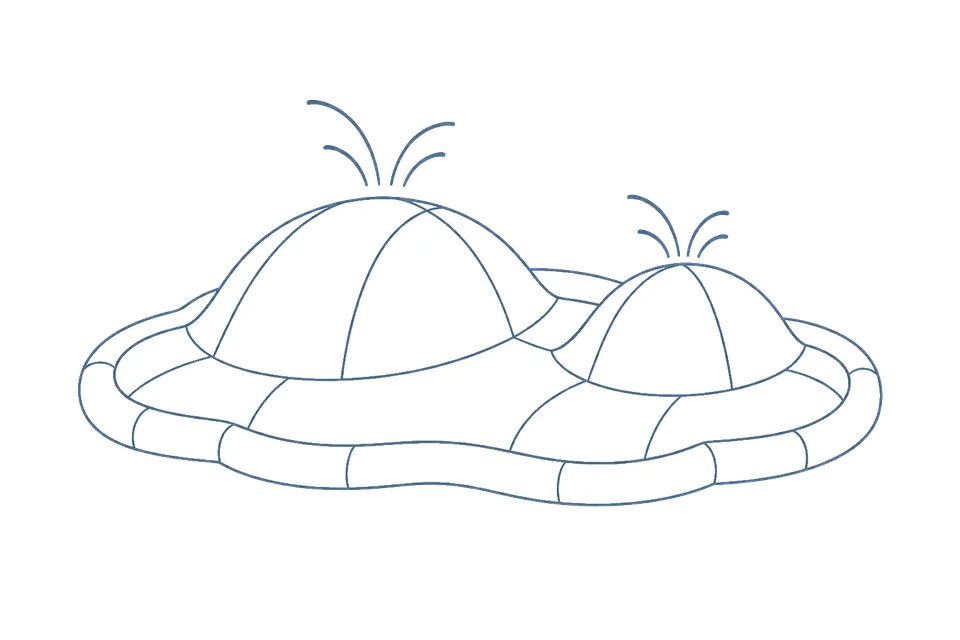 Inflatable play cloudsFamily play areas→
 Wastewater coversEnvironmental infrastructure→
 Fuel station canopiesStation shelters→
 Entrance canopiesWalkways and entrances→
Adding EV Charging Canopies to an Existing Site: What to List for the Fabricator Before Work Starts
When your site already contains charging piles, cabling, roads or other structures, a new tensile membrane structure carport or membrane canopy over the parking area needs careful coordination. Before requesting a quotation, list every existing facility for the fabricator and confirm which party is responsible for each interface. Missing even one item can force rework of the design, the quote and the installation plan.
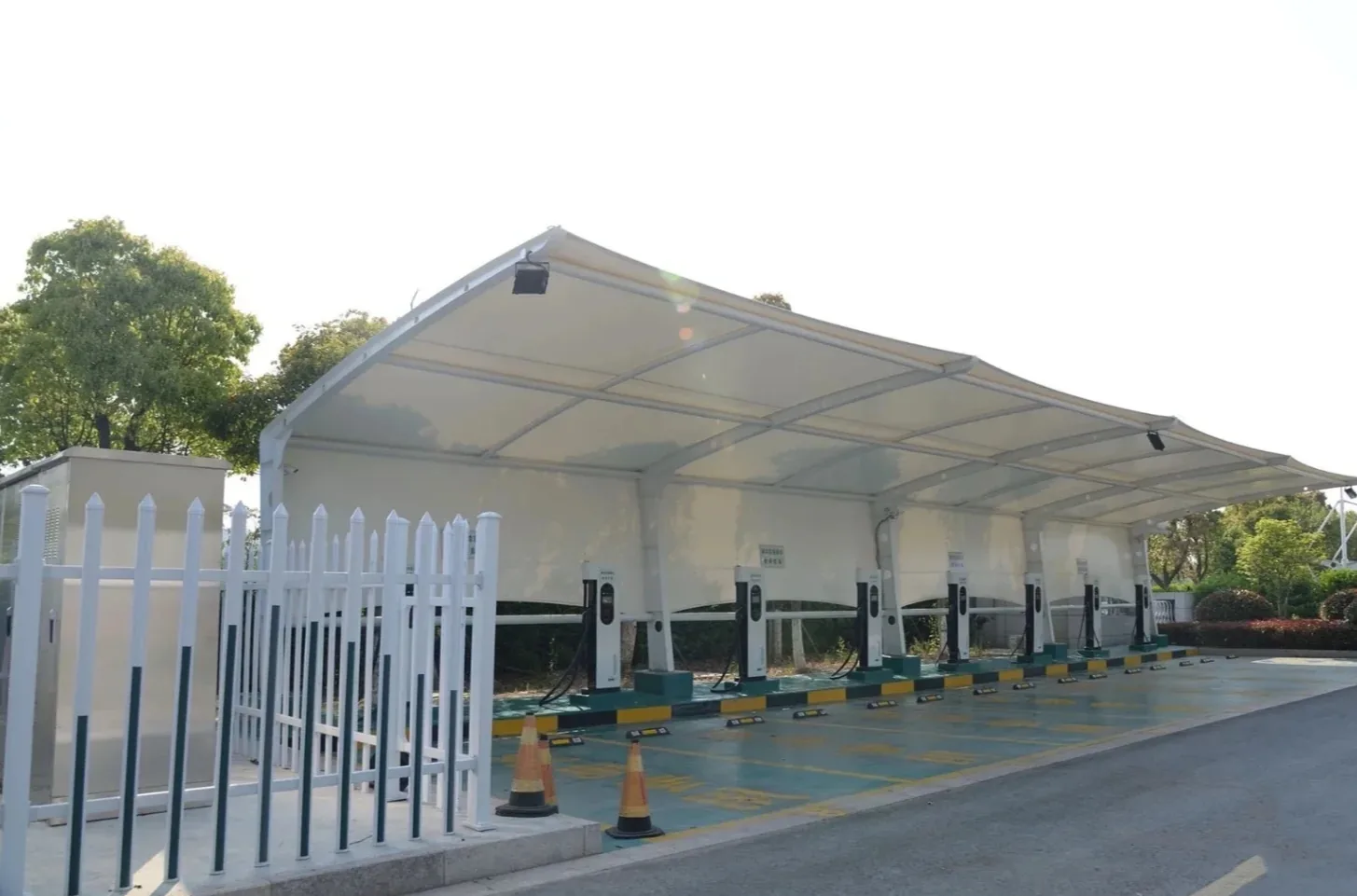
Existing facilities to declare
Prepare a written checklist covering the following categories before your first RFQ (request for quotation):
- Existing utilities: routing and burial depth of underground or overhead water, drainage, electrical and gas lines, if records are available;
- Existing equipment: installed charging piles, distribution boxes and similar items, with positions and quantities;
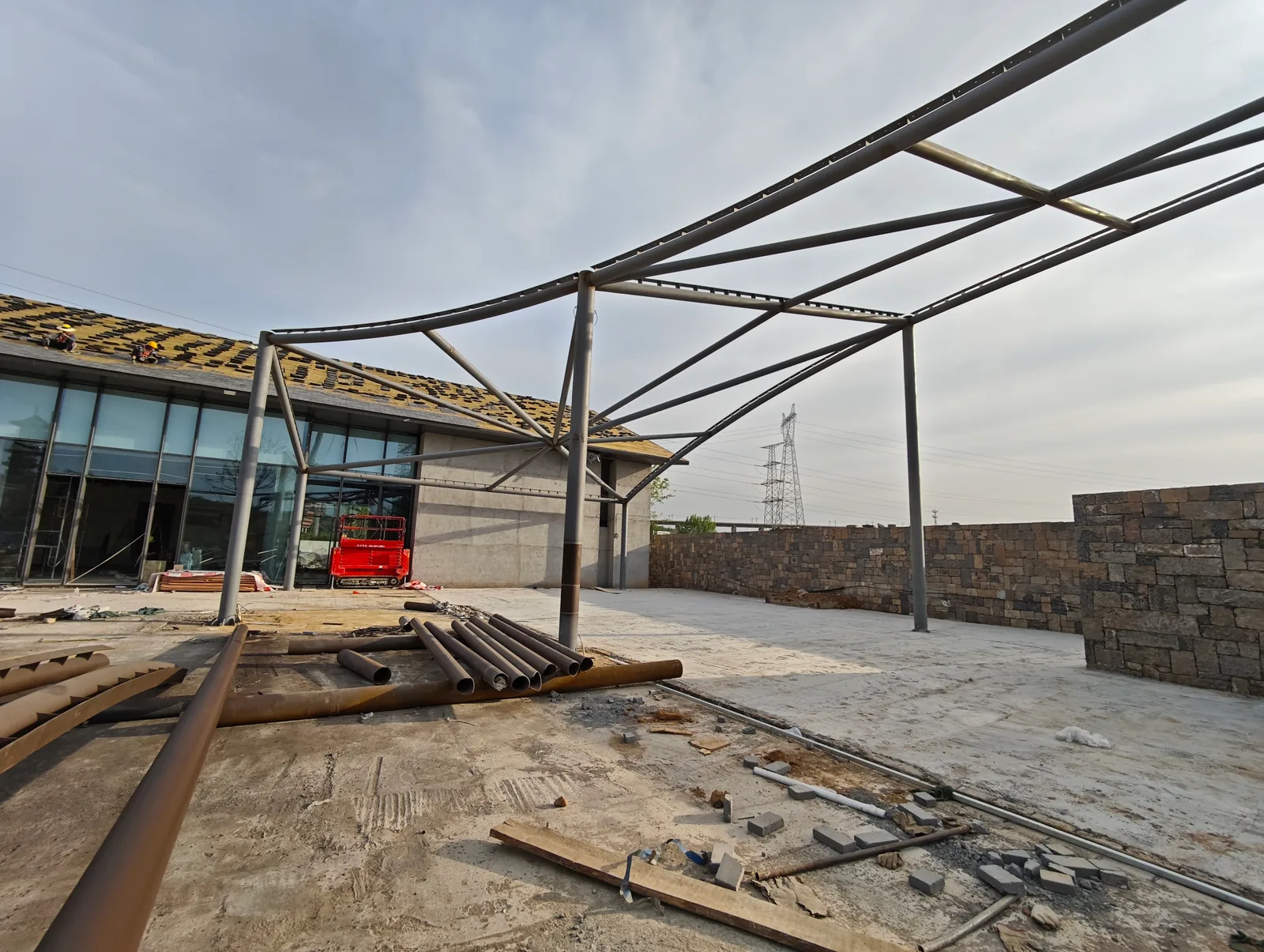
- Existing structures: walls, building facades, drainage manholes, light poles and landscaping that could affect column positions or membrane unrolling;
- Site conditions: paved surfaces, level differences, and vehicle access routes.
Charging canopies deserve particular attention. The canopy structure and the electrical work on the charging equipment usually belong to different trades, and the buyer typically coordinates how pile positions, cable connections and canopy components interface. Each party should confirm its own scope at the design stage — do not assume one supplier covers everything. Qingsong Membrane Structures serves residential communities, campuses, commercial plazas, charging stations, schools and factory sites; when you make contact, state the intended use, the dimensions or available drawings, and which parts of the supply scope you wish to commission, then review interface responsibilities item by item.
Sites where bolted, no-hot-work installation must be raised early
If your site is a filling station, an operating charging station, near gas facilities, or otherwise restricted from hot work by the property manager, raise this during the proposal stage. The fabricator can then discuss whether a bolted connection method with no on-site hot work is feasible. Such conditions affect how steel components are segmented for shipping and how the assembly sequence is planned, so the earlier you state the restriction, the more room there is to adjust the design.
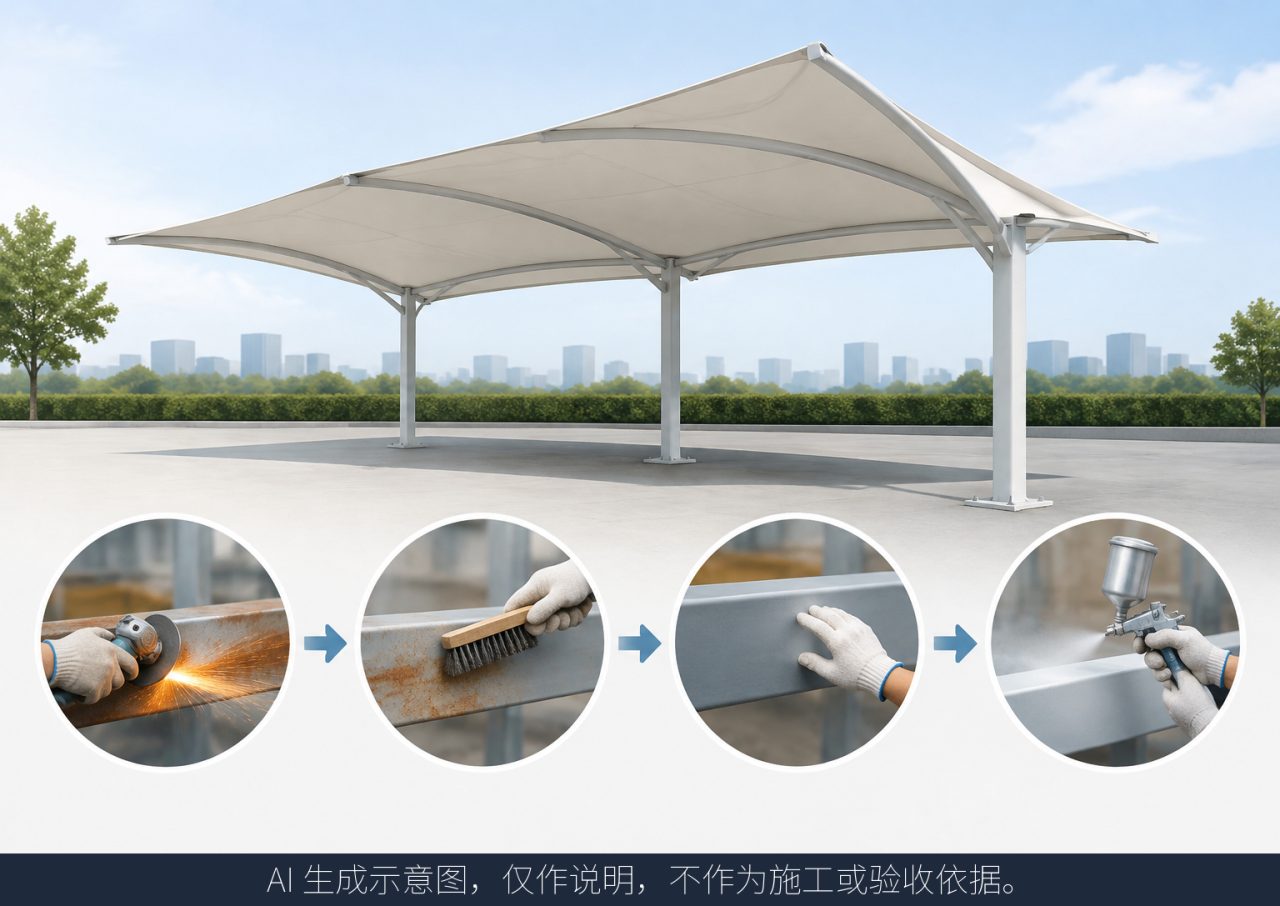
Note that 「no hot work on site」 is an installation condition to be negotiated and confirmed by both parties in advance. The as-shipped condition of components and the site working sequence are governed by the contract — do not assume a blanket no-welding arrangement from a single sentence in an email. Qingsong's standard workflow is design, fabrication, surface treatment and installation as one coordinated process; bolted connections can be arranged by prior agreement.
What the buyer provides at each stage
Across the design–fabrication–installation workflow, the site information to be handed over is roughly:
- Design stage: site dimensions or drawings, intended use, the list of existing facilities, and any special restrictions (no-hot-work zones, headroom limits, etc.);
- Fabrication and surface treatment: the approved design drawings after revision sign-off;
- Installation: site access conditions, working windows, and clearance requirements around existing equipment and utilities.
The accuracy of existing-facility data rests with the buyer; the fabricator designs from what is supplied, so a more complete checklist means a lower risk of the design and the actual site disagreeing. Any information that is still missing should be listed as an open item before contract signing, with a deadline and a responsible party — not left to be resolved on site during construction.
To discuss a specific project, prepare the intended use, dimensions or drawings, and the service scope you wish to commission. Share your project location, intended use, dimensions and available drawings, and tell us which design coordination, fabrication and supply services you need so we can review the scope and discuss next steps with you.